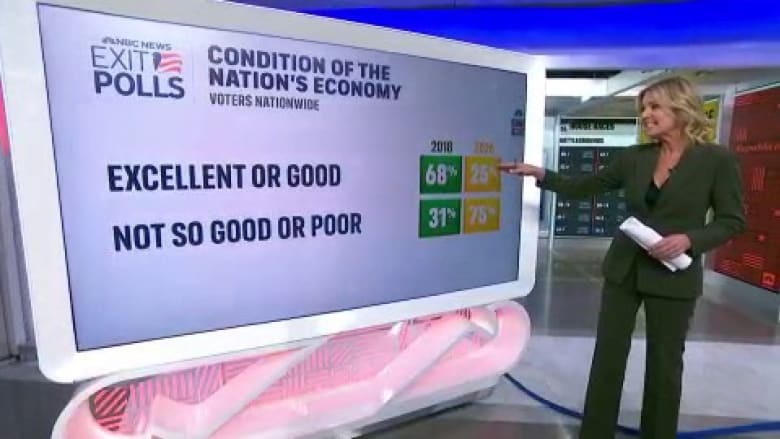
The midterm elections in the United States, crucial for determining control of Congress, saw polls closing at 7 p.m. ET across six states, including the critical battleground of Georgia. Early results and exit polls have started providing insights into voter sentiments and key issues that have driven Americans to the polls.
Georgia and Initial Voting Trends
Voting concluded in Georgia at 7 p.m. ET, and early data suggest shifts in voter patterns. Osceola County in Florida was notably watched for signs of Democratic strength or weakness. Despite being a previously Democratic stronghold, Donald Trump won the county in 2024 by approximately 5 points, after Joe Biden’s victory in 2020. This shift highlights changing political allegiances within heavily Latino counties.
ICE and Election Day Arrests
On Election Day, ICE highlighted arrests related to alleged illegal voting. Six news releases by ICE did not specify when the arrests occurred, casting doubt on their timing. Officials assert these messages might increase voter anxiety and potentially suppress turnout. Illegal voting cases are rare, with only a few hundred recorded out of millions cast nationwide.
Economic Concerns in Texas
High gas prices emerged as a pivotal issue for voters in Tarrant County, Texas, where turnout appeared high. The increase in nationwide energy costs is influenced by the U.S. conflict with Iran, affecting not only national but also household economic stability. Gas prices stood at $4.17 per gallon, significantly higher than the previous year’s $3.03.
Exit Poll Insights
According to NBC News Exit Polls, the U.S. conflict with Iran is largely viewed unfavorably. About 62% of voters believe the military action was misguided, especially among Democratic supporters. Contrarily, a majority of Republican voters see it as justified. The economic ramifications of Trump’s policies, such as tariffs and their impact on national and local economies, were notable concerns for over 60% of polled voters.
Voter Confidences and Election Fairness
Voter confidence in the electoral process remained relatively stable, with 71% confident about state elections’ fairness and accuracy. However, confidence slightly waned at the national level, with only 59% sharing similar assurances. Concerns about election integrity, possible voter intimidation, and adherence to legal procedures surfaced in discussions, particularly given recent ICE actions.
Exit Polls: Political Perceptions
Three-quarters of voters disapproved of Congress’s handling of its duties, with significant dissatisfaction noted among Democratic voters towards ICE’s and the Supreme Court’s functions. Despite the economic challenges highlighted, a majority of voters still express faith in capitalism over socialism.
State-Specific Observations
In Indiana, early voting data from Hamilton County indicated a strong Democratic turnout, pointing to potential electoral shifts in traditionally Republican areas. In Alaska, early voting and absentee ballots reached record numbers, reflecting high voter engagement in the Senate race featuring Democrat Mary Peltola against Republican Dan S. Sullivan.
Miscellaneous Observations and Incidents
Voter turnout in Dearborn, Michigan, exceeded 2022 levels. In Pennsylvania, machine issues led to extended voting hours. Similar technical hiccups were reported in New York’s Westchester County, prompting corrective measures. The narrative of voter experiences spanned from enthusiasm and high engagement to challenges stemming from misinformation and technical issues.
Throughout these midterms, the overarching theme has been voter urgency driven by economic concerns, political dissatisfaction, and the need for change, as reflected in conversations with various voters and data from exit polls.
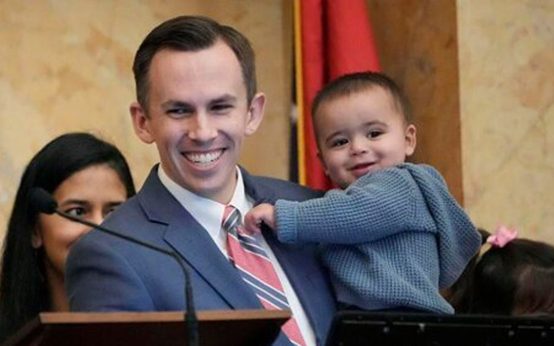 Mississippi State Auditor Shad White Announces Gubernatorial Bid
 Trump Dismisses Third Impeachment Prospects
 Custody Dispute Involving Rep. Max Miller Delayed
 Attorney General Addresses Post-Midterm Democratic Threats
 Senator Elizabeth Warren and the Future of Crypto Regulation
 Bipartisan Opportunities in Foreign Policy