The Supreme Court’s conservative justices appeared poised to support Catholic preschools in Colorado who oppose a nondiscrimination pledge tied to the state’s taxpayer-funded preschool program. The issue centers on whether Colorado’s Universal Preschool Program, which began in 2023, can impose such a condition without directly naming religion, despite knowing some faiths might reject it.
Colorado provides 15 hours of free preschool weekly to all 4-year-olds, accessible to public, private, and religious schools that agree to the nondiscrimination pact. This agreement ensures no child is denied enrollment based on sexual orientation or gender identity.
Justices Samuel Alito, Neil Gorsuch, Brett Kavanaugh, and Amy Coney Barrett challenged Colorado’s conditions. Meanwhile, Justices Sonia Sotomayor, Elena Kagan, and Ketanji Brown Jackson warned against granting these religious schools an exemption unheard of in secular schools.
Chief Justice John Roberts played a key role, addressing both sides. He pointed out the difference between past rulings against laws explicitly targeting religion and Colorado’s broader approach. He questioned the applicability of the parishes’ principles, asking about implications for aspects like driver’s licenses and employment benefits.
The case involves two prior judgments: Sherbert v. Verner, which prevents denying benefits based on religious practice without strict justification, and Employment Division v. Smith, which supports generally applicable laws, even if they affect certain religions more harshly.
The parishes want the court to overturn the Smith decision, but the court did not agree to address that point. Alito, who has previously suggested striking down Smith, chose not to pursue it here.
Gorsuch argued Colorado might be bypassing the court’s support for religious schools. Kavanaugh noted that although schools can set preferences based on secular reasons, religious identity was not similarly respected.
Barrett questioned the necessity of the rule, suggesting it was aimed at religious schools. Sotomayor pushed the school’s lawyer, Nicholas Reaves, on whether schools would reject children based on parental sexuality. Reaves admitted they might, under religious beliefs, but distinctively not due to race.
Justice Kagan and Justice Jackson scrutinized the logic, with Jackson insisting there was no reason to differentiate between objections to gay and racial inclusion.
Colorado’s representative, Helen Norton, underscored the state’s commitment to equal opportunity. The Trump administration supports the religious schools, advocating for stronger protections for religious rights in public programs.
The lawsuit was filed by the Archdiocese of Denver, individual parishes, and parents after Colorado denied their request for a religious exemption, arguing this requirement breaches the Free Exercise Clause since the state offers exceptions for issues like disability placement.
Erika Nagle, a Colorado mother, mentioned her loss of $12,000 in benefits due to choosing Catholic education. Since 2018, Colorado’s LGBT protections have faced and lost three Supreme Court challenges. Examples include a web designer’s refusal to serve same-sex couples and a baker’s right not to make a cake for a gay wedding on religious grounds.
Reaves concluded by highlighting the financial impact on the Sheleys, a Catholic family involved in the case. The court aims to reach a decision by the end of June in this significant case, St. Mary Catholic Parish v. Roy.
 Tragic Car Crash in Southern California Claims Teen Life
 Custody Dispute Involving Rep. Max Miller Delayed
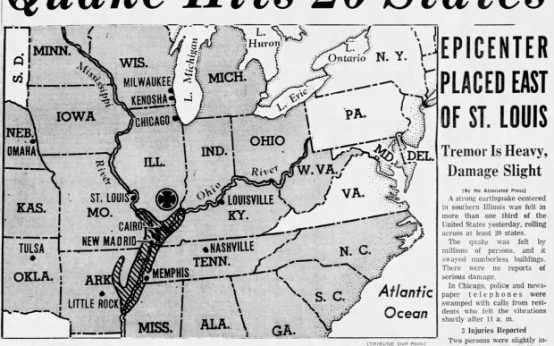 Historical Events in the Chicago Area on November 9
 University of Mississippi Investigates Racist Incident Caught on Ring Camera
 Washington State Deputies Killed in Hostage Rescue Attempt
 Hidden Camera Discovery in Tokyo Hotel Raises Privacy Concerns