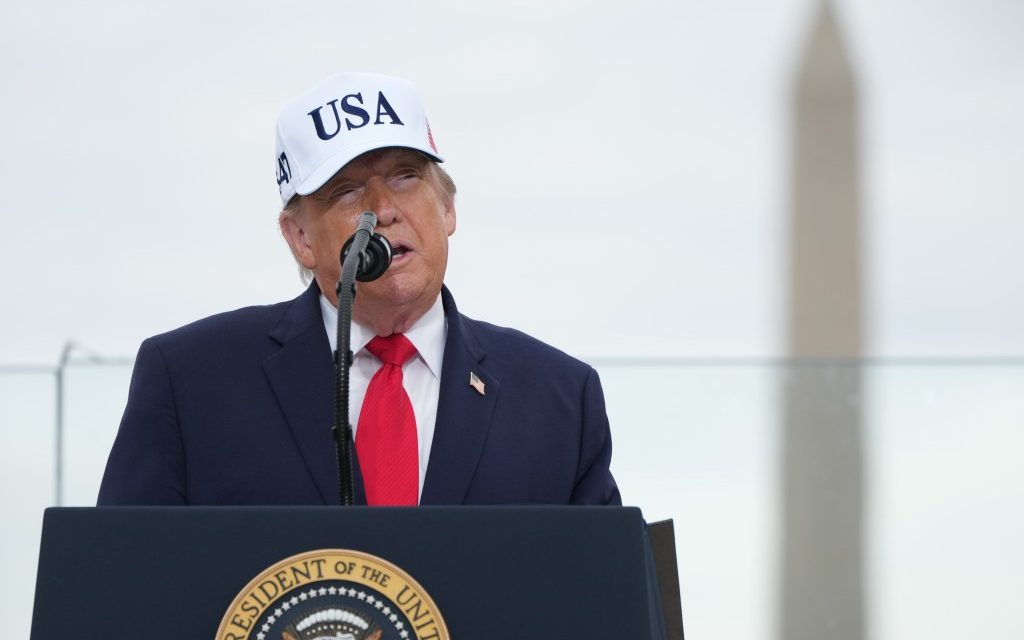
Timing of US Action Against Iran
President Trump has a limited timeframe following the midterm elections to initiate military action against Iran, as experts have informed The Post. The period to act is before a new Congress restricts his war powers. Trump is pursuing negotiations with Iran but has indicated he would act decisively if Iran doesn’t comply with his demands. If Democrats assume control of the House, projected on election day, Trump faces constraints beginning in January.
“The US election outcome might complicate the war efforts by January but doesn’t make them impossible,” said Jonathan Schanzer of the Foundation for Defense of Democracies. “There’s a 6-8 week period for the freedom to continue war activities against Iran.”
Iran is aware of this and is simultaneously pursuing diplomacy while escalating regional threats as time runs short.
Potential US Strategy Against Iran
Should military action resume, Trump may execute a short and intense bombardment across Iran. This approach aims to pressure Iran’s regime into serious negotiations, as noted by Mark Cancian, from the Center for Strategic and International Studies.
“A two-week bombardment is probable,” Cancian explained. “It’s low risk but unlikely to be effective. Iran endured five weeks of intensive bombings before, so two weeks won’t have a significant impact.”
The bombing would likely target military facilities previously struck, as well as coastal bases affecting the Strait of Hormuz. Intensifying pressure may involve targeting Iran’s oil infrastructure and electrical grid, which Trump has threatened before. Additionally, bunker-buster bombs could be used on Iran’s Pickaxe Mountain base, believed to house an underground nuclear facility.
US Military Capabilities in the Region
Two US aircraft carriers, the USS George HW Bush and USS George Washington, are currently in the Middle East, with the USS Theodore Roosevelt Strike Group en-route for additional support. Each carrier can deploy around 44 strike aircraft, including F/A-18 Super Hornets and F-35C Lightning IIs. Additionally, the US presence includes 22 destroyers and other naval vessels surrounding the Arabian Gulf, with 17 enforcing a blockade outside the Strait of Hormuz. This naval presence will soon comprise over 20,000 sailors and marines.
The US military force in the region amounts to about 50,000 soldiers. Air assets like the F-15E Strike Eagles are positioned at regional airbases. Defensive capabilities include Patriot and THAAD anti-missile systems spread across the area, with a new battery recently positioned in Israel.
Iran’s Predicted Response
Striking Iran’s energy infrastructure would be a marked escalation, prompting Tehran’s retaliation across the Middle East, warned Ria Reddy from the Institute for the Study of War. Iran has historically indicated that US attacks would result in widespread retaliation without geographical limits.
“US bases will likely be primary targets,” said Reddy. “Iran aims to heighten the war’s cost for the US.”
Iran’s missile and drone capabilities have improved, demonstrated by deadly attacks in June and July. Increased attacks on commercial shipping in the Strait of Hormuz are anticipated, aiming to disrupt oil flow. Iran might activate its terror proxies in regions like Gaza, Lebanon, and Yemen, including Houthi rebels threatening the Red Sea. Additional threats could include cyberattacks or terror plots, similar to the foiled RAF Fairford operation.
Israel’s Potential Role
While involved in initial strikes with the US in February and March, Israel’s future participation is uncertain due to its electoral uncertainties. Prime Minister Netanyahu has pushed for renewed conflict to challenge Iran’s regime, yet a diplomatic stance could jeopardize his political career. Without consensus from opposing parties, the continuity of Israel’s influence on US-initiated war efforts remains unclear.
Critics have accused Netanyahu of wanting to restart the conflict to disrupt the election process, thus maintaining his leadership.
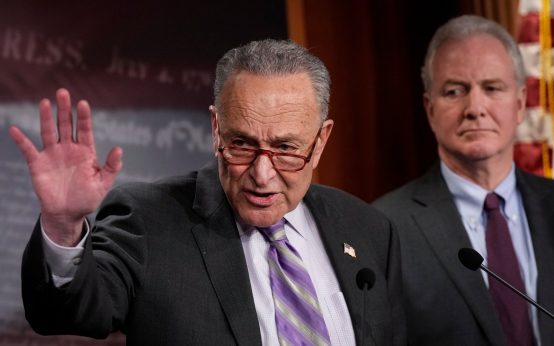 Chuck Schumer Faces Potential Leadership Challenge from Chris Van Hollen
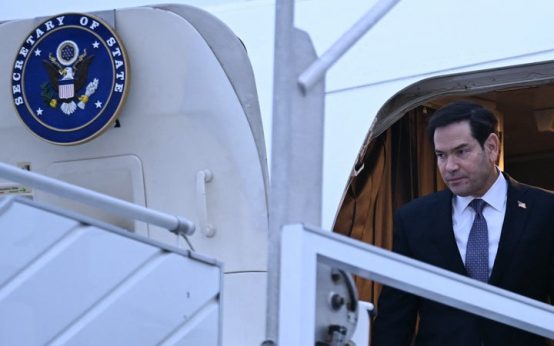 G7 Foreign Ministers Discuss Global Crises Amid U.S. Political Changes
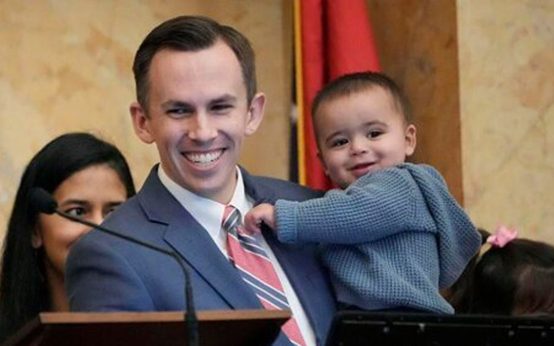 Mississippi State Auditor Shad White Announces Gubernatorial Bid
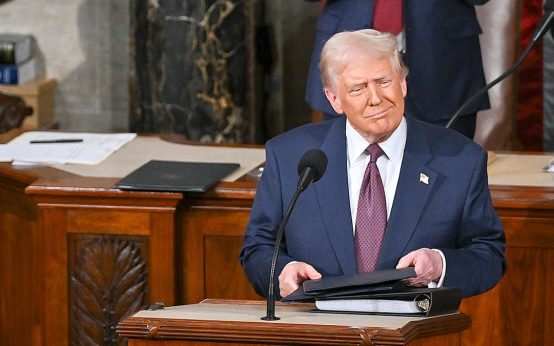 Trump Dismisses Third Impeachment Prospects
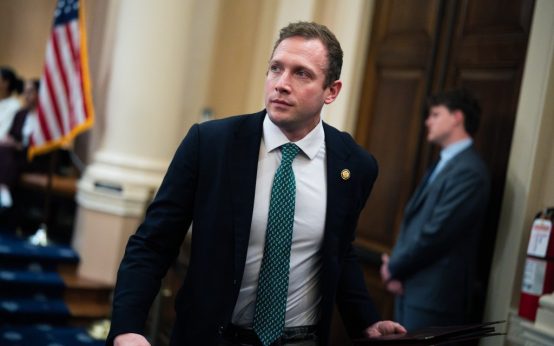 Custody Dispute Involving Rep. Max Miller Delayed
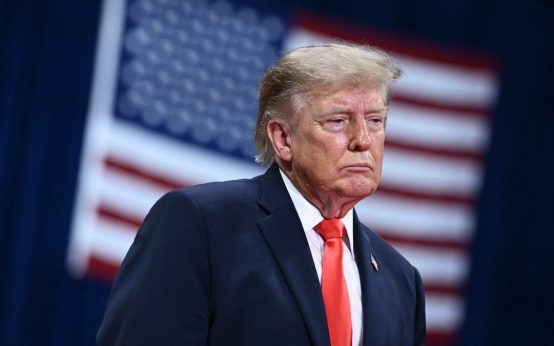 Attorney General Addresses Post-Midterm Democratic Threats