
Despite previous inaccuracies from analysts, many predict the Democrats will regain some influence in the upcoming midterm elections. Wall Street anticipates President Trump will continue some of his less favorable policies after the election.
Harvard University polling currently indicates a 96% chance of Democrats securing the House, and a 78% probability of taking both the House and the Senate. Goldman Sachs informed clients this morning that it expects President Trump to increase tariffs if Democrats gain more Congressional power.
“Democrats have indicated they would seek to reverse some of President Trump’s tariffs, but this would likely have limited impact, focusing on a few countries such as Canada or particular products,” economists Alec Phillips and Abhay Duggirala stated.
Goldman Sachs expects Trump to implement new tariff increases after the election, leading to a slight rise in the US effective tariff rate. Tariffs are likely to become an essential revenue source soon, given the costly Middle East conflict and the $40 trillion national debt. Budget advocates are pressing to reduce deficits to 3% of GDP, down from 6%. However, such efforts may stall in a more divided government.
James Smith from ING advised clients that fiscal gridlock might shift focus back to trade policy and maximizing revenue from import relationships. He noted, “Remember tariffs? After the Supreme Court invalidated Trump’s emergency tariffs, temporary rates gave way to a permanent structure under Section 301, but the issue has since receded from priority.”
Iran Situation
The White House’s strategy in the Middle East remains unclear after the midterms. UBS’s Paul Donovan suggested the president might take a firmer stance in the Gulf war once electoral concerns subside. A Pew Research study from last month showed only 14% of voters strongly approve of Trump’s management of the military conflict with Iran, with another 20% somewhat approving.
With low voter approval, Trump may focus on national security and personal legacy for the conflict. Donovan questioned how Republicans will respond to election results, particularly if the party fractures over MAGA-related issues and Trump’s decisions in the Gulf have broader economic impacts.
The cost of the Iran war has reached $47 billion, extending much longer than initially planned. Deutsche Bank mentioned that Republicans might propose a reconciliation bill in coming weeks to possibly increase defense spending and deal with debt limits before next fall.
Funding for federal government operations expires on December 11, necessitating bipartisan support for a continuing resolution to avoid a shutdown. Trump signed the Continuing Appropriations and Extensions Act on September 2, providing funding through December 11.
Fortune Daily offers insightful, interactive content for upcoming business leaders. Eleanor Pringle, an award-winning senior reporter at Fortune, covers news, the economy, and personal finance. She has worked as a business correspondent and news editor in the UK, having trained with the Press Association after graduating from University of East Anglia.
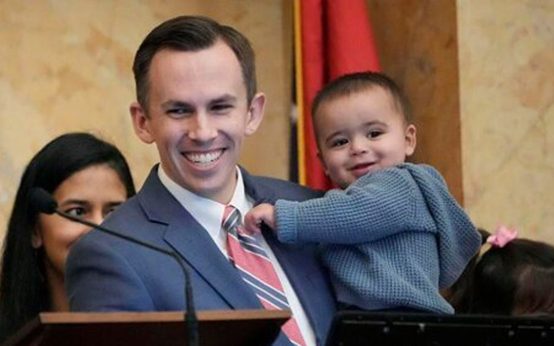 Mississippi State Auditor Shad White Announces Gubernatorial Bid
 Trump Dismisses Third Impeachment Prospects
 Custody Dispute Involving Rep. Max Miller Delayed
 Attorney General Addresses Post-Midterm Democratic Threats
 Senator Elizabeth Warren and the Future of Crypto Regulation
 Bipartisan Opportunities in Foreign Policy