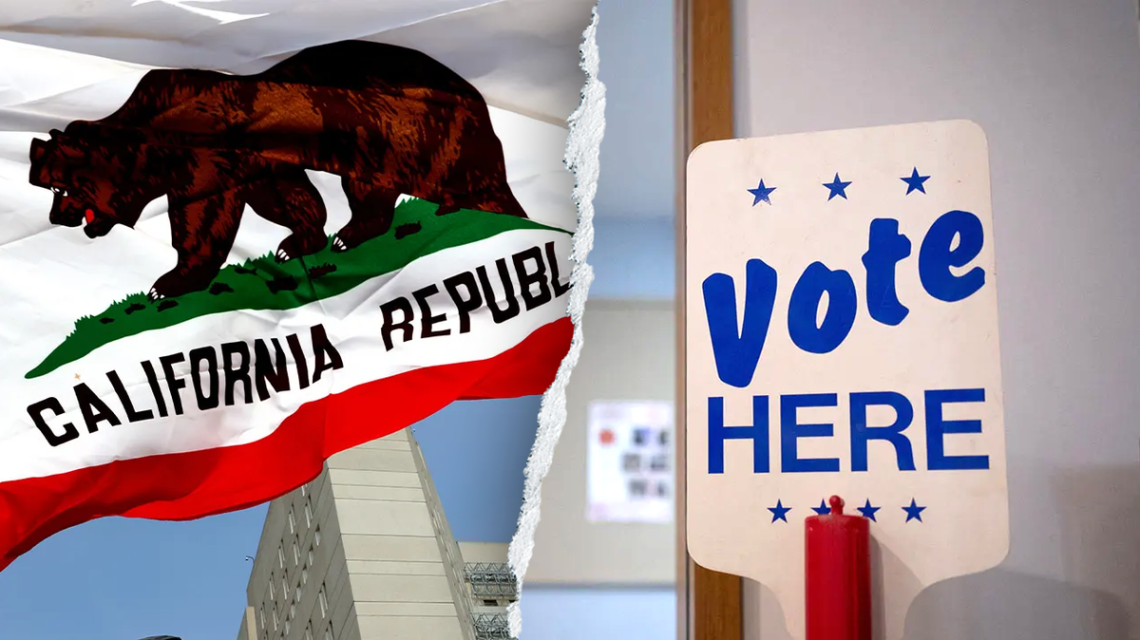
The Justice Department has asked the Supreme Court to intervene in a case concerning more than 20,000 California mail-in ballots. These ballots, cast by individuals the DOJ suggests may not be U.S. citizens, are at the center of a significant legal dispute. The department seeks a temporary block on lower-court rulings that refused its request to segregate these ballots.
The DOJ’s argument is straightforward. They propose that a limited injunction would allow the preservation of these ballots while an investigation into their eligibility is conducted, without invalidating any votes. This step aims to prevent a situation where illegally cast ballots might be counted along with lawful ones, leading to harm that is difficult to remedy.
Recently, the 9th U.S. Circuit Court of Appeals and a federal judge in Los Angeles rejected this DOJ request. However, Judge Patrick Bumatay dissented, raising questions about the ruling. As the case is still ongoing, the DOJ remains focused on seeking relief during the proceedings. California insists its measures to prevent noncitizen voting are strong and challenges the accuracy of federal lists that might wrongly classify eligible voters.
The case originated from a Justice Department lawsuit filed on October 15, claiming California obstructs the enforcement of a federal law preventing noncitizens from participating in federal elections. The DOJ posits that this situation violates the Constitution’s Supremacy Clause, which generally places federal law above state law.
This legal battle unfolds within a broader context of the administration’s efforts to shape election procedures in states. These efforts include requests for access to voter rolls and warnings to officials about the legal repercussions of allowing noncitizen voting.
California, holding 52 House seats as the most populous state, is pivotal in the political balance. A Democratic net gain of four seats in the House would shift control of the chamber, underscoring the high stakes of this electoral issue.
 Mississippi State Auditor Shad White Announces Gubernatorial Bid
 Trump Dismisses Third Impeachment Prospects
 Custody Dispute Involving Rep. Max Miller Delayed
 Attorney General Addresses Post-Midterm Democratic Threats
 Senator Elizabeth Warren and the Future of Crypto Regulation
 Bipartisan Opportunities in Foreign Policy