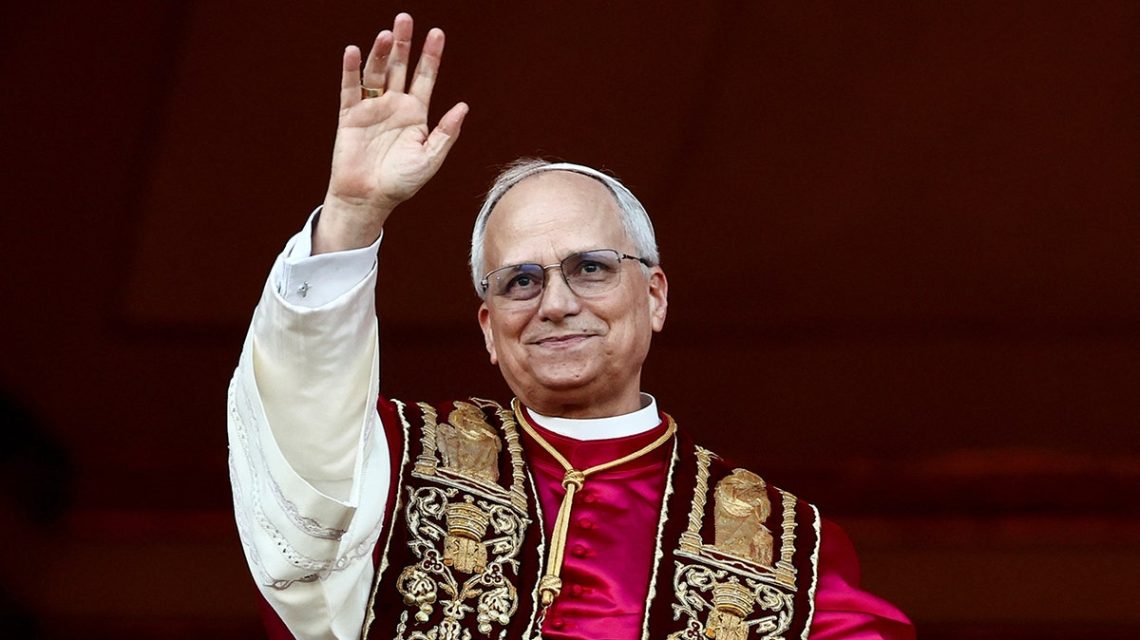
In a surprising and unprecedented move, Pope Leo XIV, originally Robert Prevost, voted in a U.S. election. This decision has raised questions about the pope’s involvement in American politics, given his dual role as a U.S. citizen and the head of the Vatican.
Pope Leo XIV, well-known for his Chicago roots, mailed an absentee ballot to Will County, Illinois. The local clerk’s office confirmed his registration for mail-in voting. While he holds the deciding vote within the Vatican, his eligibility to participate in American elections, including state contests like Illinois’ governor race, suggests novel considerations.
The Holy See Press Office confirmed the pope’s vote, affirming his dual status as U.S. citizen and Vatican leader. It stated, “Pope Leo XIV has exercised his right to vote as a United States citizen whenever eligible.” This participation, according to the press office, aligns with historical civic engagement practices.
The U.S. State Department contends that dual citizens maintain allegiances to both their countries. This includes the obligation to adhere to laws within both nations. The policy implies that while Pope Leo XIV remains a U.S. citizen, he does not forfeit his American rights despite his papal responsibilities.
The State Department states: “U.S. dual nationals owe allegiance to both the United States and the foreign country… Claims of other countries upon U.S. dual-nationals may result in conflicting obligations under the laws of each country.”
Despite concerns, Pope Leo XIV’s voting actions have revealed no violations thus far. Observers are debating his dual citizenship’s implications, particularly as head of a foreign state.
The pope participating in U.S. elections highlights the complexities dual citizenship brings, especially when leading another country. Historical and legal perspectives spotlight potential conflicts, like foreign intervention worries, in U.S. electoral processes.
Under the Uniformed and Overseas Citizens Absentee Voting Act, citizens abroad, such as Pope Leo XIV, can vote in federal elections with mail-in ballots. Yet, when assuming leadership in a foreign nation, should voting rights be reconsidered? This question remains contentious, sparking discourse on dual citizenship and its diplomatic ramifications.
The Vatican’s lack of policy against such voting surprises many, given its unique position within international relations. Pope Leo XIV has made history as the first American pontiff but also exposed the intricate relationship between global ecclesiastical duties and U.S. civic engagement.
Beyond personal preferences like his famed White Sox allegiance, the pope balances intricate responsibilities across two national identities. With American politics possibly affected by his voters’ roles, Pope Leo XIV’s impact reaches beyond spiritual domains.
While some view the situation as a unique occurrence, it anticipates future discussions regarding dual national leaders. Pope Leo XIV’s case embodies a modern dialogue on cross-national influence, secular governance, and evolving electoral standards. His willingness to separate his papal roles from American civil rights prompts broader contemplation.
Jonathan Turley, a legal scholar and contributor to Fox News, encourages examination of such issues. His forthcoming book explores the historical progress towards American constitutional ideals, potentially framing the pope’s citizenship debate as part of broader civil discourse. Turley’s academic contributions underscore the complexities within law and national identity, exemplified by Pope Leo XIV’s U.S. election involvement.
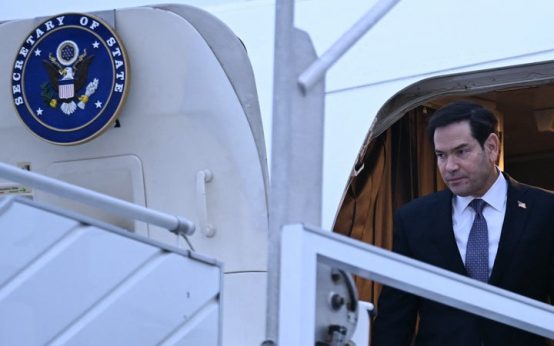 G7 Foreign Ministers Discuss Global Crises Amid U.S. Political Changes
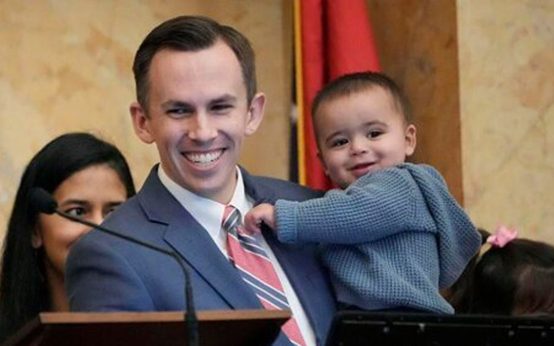 Mississippi State Auditor Shad White Announces Gubernatorial Bid
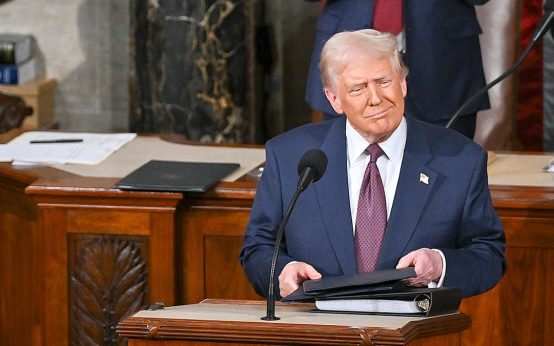 Trump Dismisses Third Impeachment Prospects
 Custody Dispute Involving Rep. Max Miller Delayed
 Attorney General Addresses Post-Midterm Democratic Threats
 Senator Elizabeth Warren and the Future of Crypto Regulation