
Every four years, the United States citizens elect their president. However, every two years, voters choose all 435 members of the House of Representatives, a third of the Senators, and many governors. This year marks such a midterm election, providing an opportunity to influence the nation’s direction.
Susan Glasser, a politics columnist for the New Yorker, explains that midterms serve as referenda on a president’s performance. This year’s elections are poised to be significant in various ways.
Presidential Popularity and Economic Concerns
The president’s declining popularity is a considerable issue. Glasser notes that this president is the least popular going into a midterm in modern polling history. A primary reason is the rising costs of living, with citizens particularly frustrated by gas and grocery prices, symbolizing broader economic dissatisfaction.
Record-breaking Political Ads
This election year is also notable for the significant volume of political ads. Erika Franklin Fowler, a Wesleyan University professor who specializes in political ads, states that spending will exceed $11 billion. However, she mentions that ads rarely change opinions about economic issues.
A growing concern is the use of artificial intelligence in ads. These ads can fabricate scenes, making it appear that candidates said or did things that are untrue. Currently, no federal regulations require disclaimers for AI usage in political advertising.
Shift Toward Early Voting
Many voters are turning to early voting, rendering some late campaign ads ineffective. According to Fowler, much of the current advertising might not impact voter decisions.
Polling and Political Influence
Anthony Salvanto, a CBS News pollster, notes a shift favoring Democrats. Typically, a president’s party loses seats in the midterms.
Several factors influence voters, including international conflicts, corruption, and gas prices. Salvanto highlights that a significant number of voters are motivated by their stance on the president, either supporting or opposing his policies.
This influence extends to Republican candidates, many of whom avoid mentioning Trump in their campaigns. Some even criticize his policies, such as the tariff war against Canada.
Potential Outcomes
The latest CBS News model predicts Democrats might secure 229 House seats, winning the majority. Regarding the Senate, traditionally red states could become competitive for Democrats. Notably, potential Democratic wins in Texas and Kansas would be historic given past election patterns.
Post-Election Considerations
If Democrats gain control of Congress, there may be attempts to restrict defense spending or initiate oversight investigations. According to Glasser, aggressive subpoenas and hearings could follow.
Glasser also raises concerns about potential post-election challenges. Former President Trump expressed intentions not to accept unfavorable results, recalling his refusal to acknowledge his prior election defeat.
There’s already a criminal investigation into Alaska’s Senate race, where Democrats are alleged to have used deceptive candidate tactics. Despite potential instability, these elections are fundamental to the U.S. government’s function, designed to balance power across branches.
Glasser emphasizes the significance of these midterms, suggesting different outcomes could set varying paths for the country’s future.
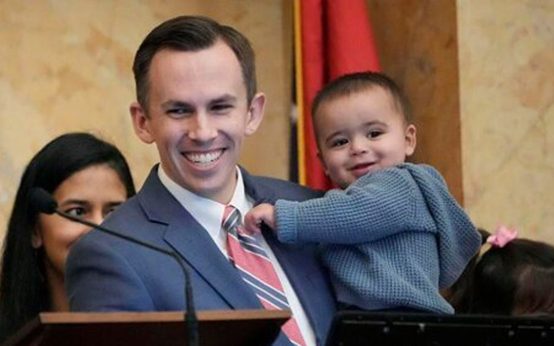 Mississippi State Auditor Shad White Announces Gubernatorial Bid
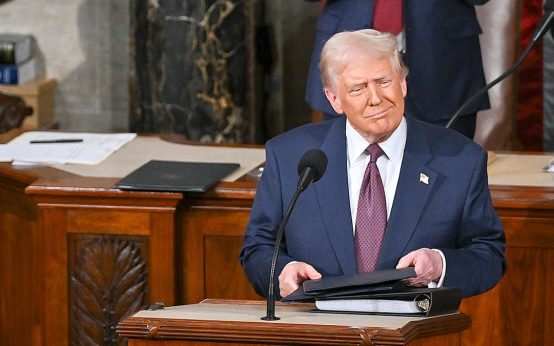 Trump Dismisses Third Impeachment Prospects
 Custody Dispute Involving Rep. Max Miller Delayed
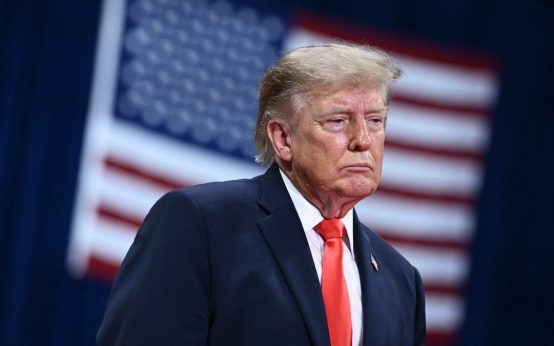 Attorney General Addresses Post-Midterm Democratic Threats
 Senator Elizabeth Warren and the Future of Crypto Regulation
 Bipartisan Opportunities in Foreign Policy