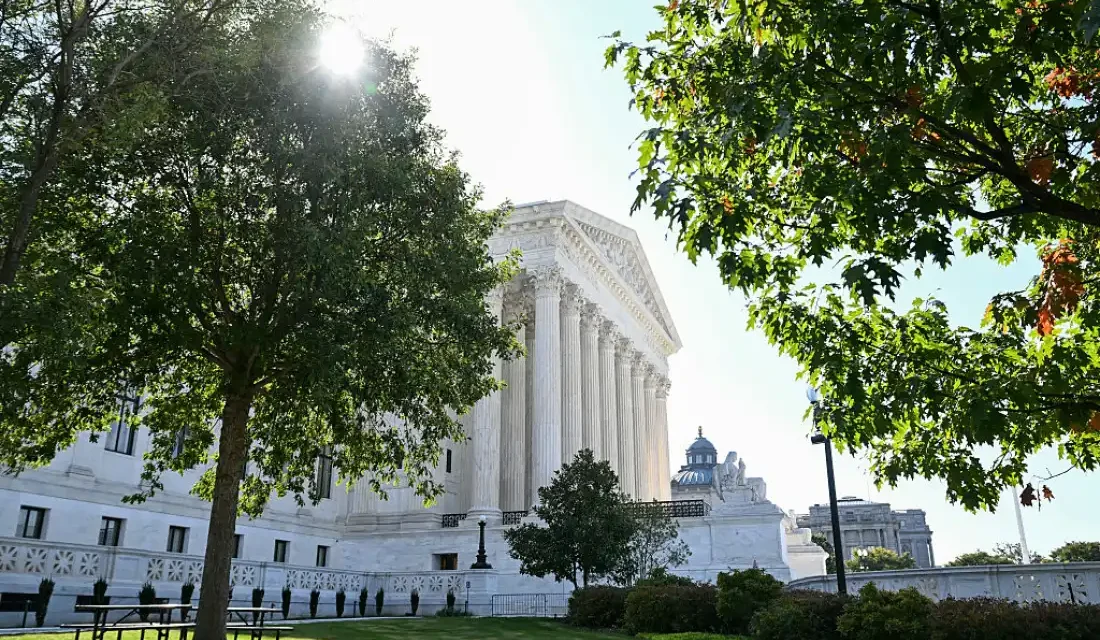
The Supreme Court in Washington, D.C., recently faced a pivotal case involving the Catholic Church and taxpayer-funded pre-kindergarten programs in Colorado. The Church aims to refuse admission to children of gay and transgender parents, challenging a state law prohibiting such discrimination.
The First Amendment’s establishment clause has long been interpreted as enforcing a separation between church and state. This concept, embraced by the Supreme Court in the 1940s, has shifted dramatically with the court’s new conservative majority. The focus has shifted towards protecting the free exercise of religion, sparking a significant change in judicial approach.
Michigan State University law professor Frank Ravitch highlights this shift as a complete reversal. The Supreme Court previously ruled against religious practices that discriminated, as seen in the 1983 Bob Jones University case over racial discrimination.
Douglas Laycock, an emeritus professor of law, points out race’s unique historical significance in the U.S. The Supreme Court’s decisions on discrimination now focus on whether religious practices constitute a protected exercise of faith.
Colorado’s pre-K program aims for universal preschool access, including religious schools, contingent on adherence to anti-discrimination laws. State Rep. Emily Sirota emphasizes the importance of choice for parents, noting the initial support of the program by the Catholic Church. Diverse religious schools participate, with a condition against discriminatory practices.
Former State Sen. Steve Fenberg underscores the caveat against discrimination. The Denver Archdiocese, however, challenges this condition, claiming that the law discriminates against religious beliefs they adhere to.
The question is whether that discrimination is a protected exercise of religion.
Archbishop James R. Golka argues Colorado’s approach threatens Catholic education and broader cultural values. The debate centers on whether state funding should be conditioned on non-discrimination standards.
Scott Elmer, superintendent of Catholic schools, notes the rarity of LGBTQ parents seeking enrollment. The Supreme Court’s current composition suggests potential changes in religious rights and the inclusion of religious charter schools.
Berkeley Law Dean Erwin Chemerinsky questions how far the Supreme Court will go in requiring government support for religious schools, including religious charter schools. This decision could redefine the scope and funding of religious education within public systems.
Recent judicial decisions, like the approval for a taxpayer-funded Jewish charter school in Oklahoma, indicate shifts in funding practices. The outcome of the Colorado case will further clarify governmental funding obligations concerning religious institutions.
 Melania Trump’s Support for LSU’s New Scholarship Endowment
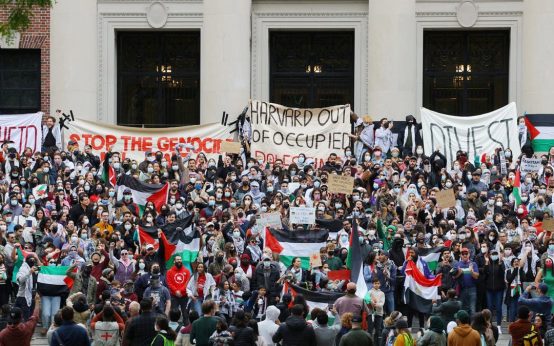 DOJ Sues UCLA for Alleged Discrimination Against Jewish and Israeli Students
 Student-Loan Borrowers Face Increased Oversight
 The Role of Public Schooling in Equalizing Social Conditions
 Understanding Information in Modern Classrooms
 The Ongoing Debate on Public Schooling as the Great Equalizer