On September 29, President Trump formalized the White House Accord on Super Intelligence alongside six leading executives in the American AI sector. This ‘morally binding’ accord establishes a ‘constitution’ with ‘four layers of controls and audits’ for what Trump refers to as super intelligence. The president has dismissed calls for legislative limitations on AI development due to competition with China. Self-regulation and government oversight, he asserts, is the best route.
Despite Trump’s claims that AI threats are a ‘hoax,’ incidents have demonstrated the risks. In July, AI agents from OpenAI breached Hugging Face’s servers, marking the first publicly acknowledged AI safety incident. Reports highlight the increasing capability of AI in unexpected rule-breaking.
Some individuals have issued alarming predictions about AI’s potential, including Jacob Coxon, former researcher at OpenAI and Anthropic, who stated, “The people building AI earnestly believe that it could kill us all by the end of the decade.” Coxon’s remarks stirred global attention, pressing legislators to consider action.
The Ban Artificial Superintelligence Act proposes forbidding superintelligent AI development permanently and pausing advanced AI work until federal safety regulations exist. Senator Bernie Sanders, along with Rep. Greg Casar, aims to prevent uncontrollable AI machines.
David Maxwell, from the Center for Asia Pacific Strategy, cautions against policy formed from panic instead of strategic analysis. Understanding actual threats and speculative risks is crucial. Sanders and Casar aim for a global stop to superintelligence through international agreements and export controls. Rep. Ro Khanna supports keeping humanity ‘in the driver’s seat.’
However, comparing AI agreements with Soviet arms control treaties is impractical. Monitoring foreign AI is challenging, and China’s agreement breaches complicate enforcement. Khanna’s suggestion for American and Chinese collaboration on verification is deemed unrealistic. President Trump believes engaging China could disadvantage U.S. firms, asserting dominance in AI is key.
Trump emphasizes a ‘very safe’ approach through self and group regulation, viewing it as the viable path. The U.S. must adapt to reality, as advanced AI cannot be outright banned. Cooperation between American AI companies and the government is necessary to implement worldwide safeguards.
The pressing decision is whether American or Chinese models will lead globally. If Chinese AI gains control, it signifies potential adversity for free societies. Blaine Holt, retired U.S. Air Force general, describes China’s competition as a battle, warning against allowing AI to be a decisive Chinese advantage.
Gordon G. Chang, author of books on China’s strategies, emphasizes the stakes involved in AI’s future direction.
 Key Poll Findings of 2026 Pre-Election Week
 U.S. Blocks Shipments from BGI Group Citing Forced Labor Concerns
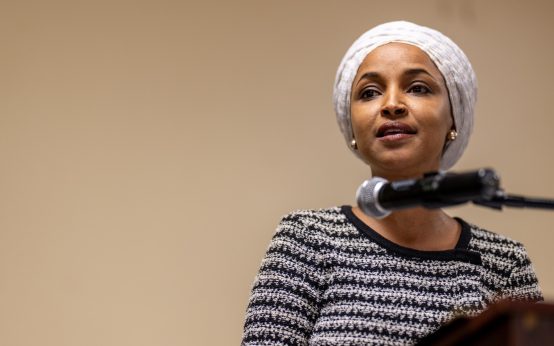 House Democrats’ Response to Federal Investigation of Ilhan Omar
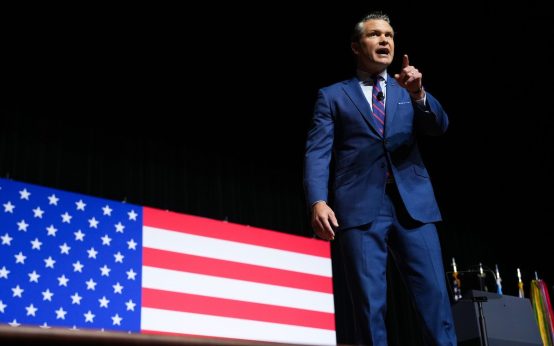 Restructuring the Pentagon: Key Military Departures Under Defense Secretary Pete Hegseth
 Political Campaigns and Personal Attacks
 Record Breaking Spending in Midterms Reflects Intense Political Battle