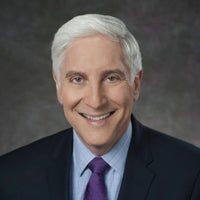
Health and Human Services Secretary Robert F. Kennedy Jr. announced measures to enhance access to specific unapproved peptide drugs marketed for wellness. On Wednesday, he submitted a draft policy allowing compounding pharmacies to prepare six peptides: BPC-157, Epitalon, KPV, MOTS-c, Semax, and TB-500. These peptides lack Food and Drug Administration (FDA) approval.
Kennedy explained that this policy allows for limited compounding of these substances under strict regulations, providing patients with controlled alternatives. Compounding pharmacies are known for mixing ingredients to create customized medications tailored for individual patients. Despite lacking FDA approval, these six peptides are often advertised with health benefits.
“By allowing limited compounding of the substances addressed in this guidance under appropriate safeguards, the policy provides patients with a more controlled alternative,” Kennedy wrote.
The Department of Health and Human Services (HHS) stated it does not plan to take action against licensed pharmacies or physicians compounding these peptide substances, which are not part of any FDA-approved drug. Peptides, which are short proteins, sometimes exhibit potent effects. Several peptides with FDA approval, such as insulin, are recognized for safety and efficacy. Additionally, GLP-1 drugs employed for weight management and diabetes treatment include FDA-approved peptides.
In July, an FDA advisory panel supported using these six unapproved peptides for compounding. Despite this backing, it does not amount to FDA approval. This decision was contrary to the opinions of FDA scientists who highlighted insufficient safety and efficacy evidence for these peptides.
“The policy does not grant FDA approval or establish clinical safety and effectiveness,” an HHS spokesperson said. “It requires patient-specific prescriptions, traceable ingredients, quality testing, and safety reporting to hold compounders accountable and give patients an alternative to unregulated sellers.”
Kennedy referred to the advisory panel’s recommendation, asserting that the policy promotes patient choice while safeguarding safety. According to an HHS spokesperson, compounding pharmacies must conduct quality testing and safety reporting, helping patients identify what is in these peptide drugs compared to unregulated products.
This draft policy outlines specific requirements, such as acquiring ingredients from FDA-registered suppliers, securing lab certificates for raw materials, and reporting severe side effects. A recent investigation by CBS News revealed that a peptide purported for weight loss, known as retatrutide, was sold without any peptides present in the samples tested. Though retatrutide is under clinical trial by Eli Lilly, unregulated marketing persists.
Kennedy’s policy is open for public comment from Friday until November 13, remaining effective until the FDA finalizes new rules on compounded peptides. As of now, the FDA has not proposed any such rule.
 Revelations of Democratic Strategy in Alaska Senate Race
 Federal Judge Rejects DOJ Request on Suspected Noncitizen Ballots
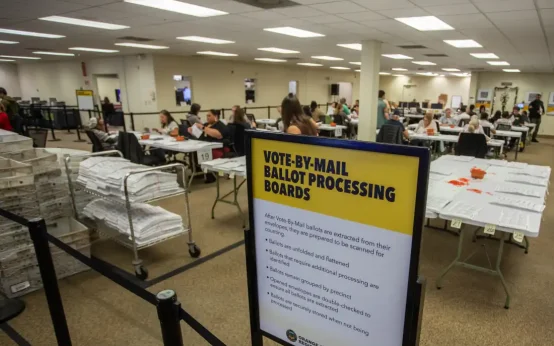 Federal Judge Denies DOJ’s Request to Segregate California Ballots
 Federal Judge Blocks Trump Administration’s Request in California Ballot Case
 Exploring the Persistent Power of Gerrymandering in American Politics
 Senate Race Heats Up: Democrats Eye Retaking Control