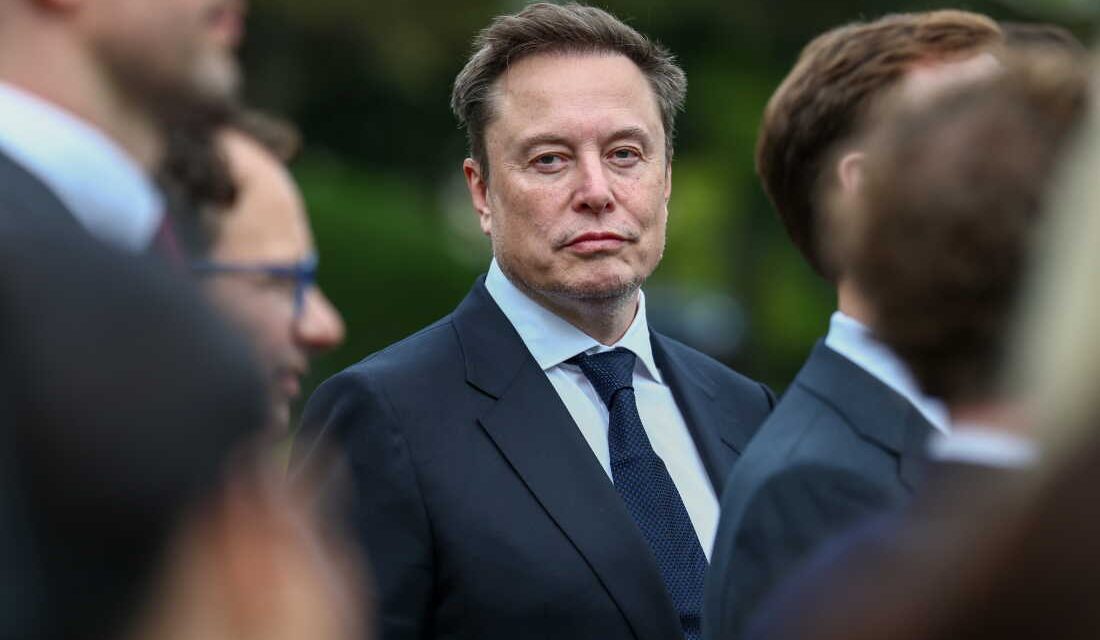
The 2026 midterm elections are set to break fundraising records, significantly fueled by enthusiastic support for Democratic candidates and major contributions from Republican megadonors, notably Elon Musk. Based on Federal Election Commission data, over $15 billion has been raised since the start of 2025, with half already spent. Ad spending for House and Senate races has surpassed $4 billion, with significant expenditures anticipated in the final weeks, according to AdImpact data.
Shifting Electoral Dynamics
Republicans captured the White House and narrow majorities in the House and Senate in 2024. However, they now confront an electorate disillusioned with President Trump’s agenda amid an unpopular war in Iran, high fuel costs, and increasing prices. While the Democratic Party’s national popularity remains low, certain Democratic candidates in conservative states like Iowa, Texas, Kansas, and Ohio, as well as those in newly competitive House districts, show strong polling and fundraising numbers.
Although Democrats have a fundraising advantage at the candidate level, Republican outside groups, including Trump-aligned super PACs, have outspent Democrats in an effort to depict them as too extreme for Congress.
Key Takeaways from Campaign Finance Filings
Democratic Senate Strength
This election cycle has seen many U.S. Senate races become competitive, partially due to Democrats significantly outfundraising Republicans. From July to September, Democratic or independent candidates outraised Republicans in 27 of the 35 Senate races. In the 13 most competitive, they hold nearly a 5-to-1 advantage.
Texas Democratic Senate nominee James Talarico’s campaign reported raising around $60 million in the third quarter, a record-breaking amount for that period. This is more than any Senate candidate has raised this cycle, except for Democratic Sen. Jon Ossoff in Georgia. Additionally, Kansas Democrat Adam Hamilton raised nearly $10 million, while his Republican opponent, incumbent Sen. Roger Marshall, received only $800,000.
Dozens of House Incumbents Outraised
The upcoming Congress will have a record number of departures. Among 50 sitting House members outraised in the last quarter, about 90% are Republicans. Of particular note, Republican Brian Fitzpatrick from Pennsylvania was the only vulnerable incumbent on the NRCC’s “NRCC Patriots” list to raise more than his opponent.
For Democrats, only Nevada Rep. Dina Titus, among the DCCC’s “Frontliner” list, was outraised. Meanwhile, in 40 of the 46 “Red to Blue” targeted districts, Democratic challengers raised more funds, even in solid Republican areas in Arkansas, Kentucky, and Nevada.
Musk’s Financial Influence in Texas
Recent campaign filings highlight Musk’s substantial role in Republican funding, particularly in the Texas Senate race. Musk contributed $158 million to the Republican Senate Leadership Fund, $20 million to the Congressional Leadership Fund, $89 million to his America PAC, and $10 million to the Lone Star Liberty PAC, which supports Ken Paxton. This was directed primarily to Texas efforts, notably spending over $148 million to support Paxton and challenge Talarico.
To understand Musk’s impact: for every dollar raised by a Texas Senate campaign recently, Musk invested about 56 cents.
Advertising Spend Reflects Election Landscape
Past the public announcements of competitive races and fundraising achievements, actual spending indicates the strategic focus areas for both parties. An anticipated $700 million in advertising is planned through Election Day, with most for toss-up or Republican-favored races, per The Cook Political Report. Republicans amplified ad spend in Kansas and Mississippi’s Senate contests and House seats in Missouri and Arizona. Simultaneously, they pulled back in areas increasingly Democratic-favored like North Carolina and Georgia.
Democrats have intensified Senate ad spends in key states and expanded geographically, targeting places like Iowa and Mississippi, alongside existing competitive areas.
 France Facing Social, Economic, and Political Turmoil
 Strains Emerge in U.S.-Ukraine Relations Amid Intelligence Disputes
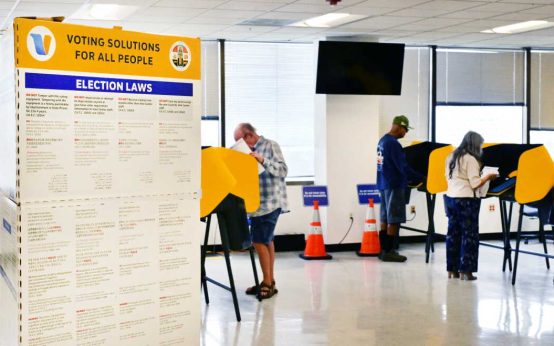 DOJ Charges Green Card Holders with Voter Fraud in California
 Unconventional Democratic Candidates Aim for Change in Midterms
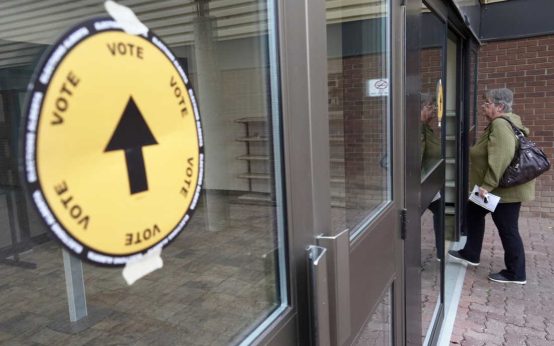 Alberta Referendum Results: Majority Chooses Unity
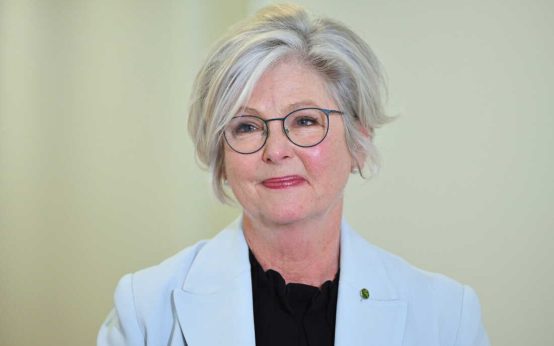 Deliberate Attack Critically Injures Australian MP Helen Haines