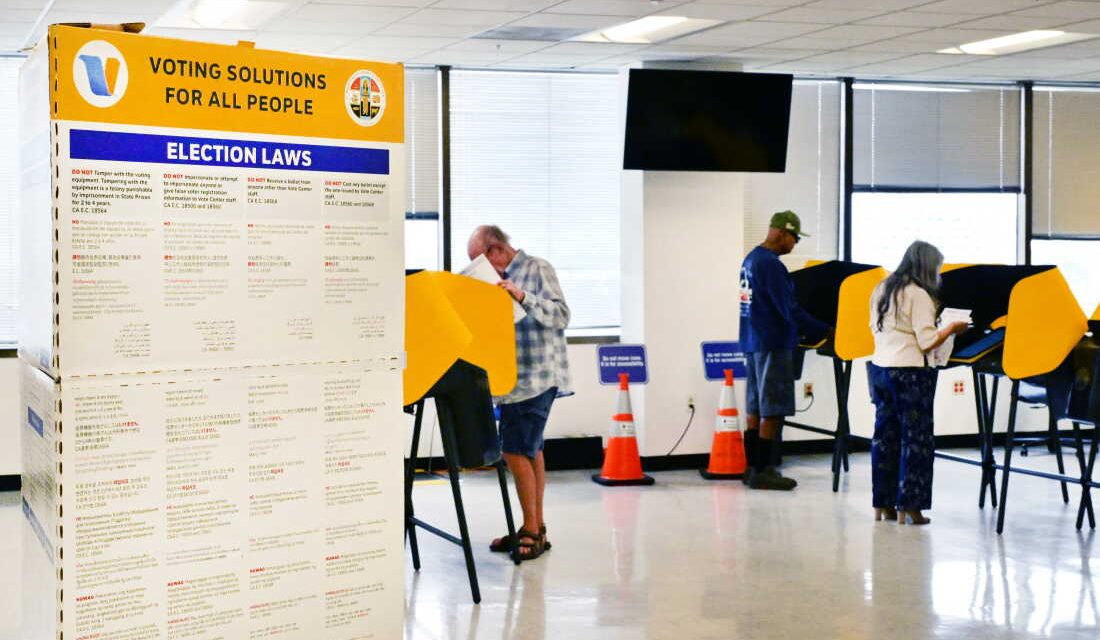
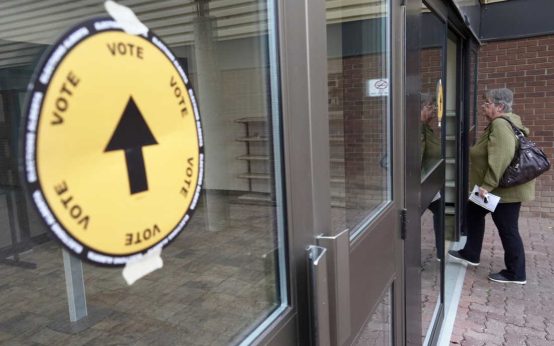
In Norwalk, California, during early voting for the state’s primary election on June 1, 2026, the Department of Justice (DOJ) made a significant announcement. They charged 28 green card holders with allegedly illegal voter registration or voting, intensifying a dispute with California officials over the state’s voting system.
The DOJ accused these noncitizens of election crimes, marking an ongoing conflict that is expected to persist through Election Day and beyond. The department filed an emergency federal court request to prevent California from processing ballots from individuals identified as ‘likely noncitizens’ on voter rolls. Despite a request for specific information regarding this decision, California has not received necessary details from the DOJ.
Acting Deputy Attorney General Trent McCotter stated at a press conference that the Justice Department would not ignore noncitizen voting in federal elections. He criticized California and Los Angeles County for their approach. Though noncitizen voting is not considered a widespread issue in America, these actions are part of the Trump administration’s efforts to address ineligible voting.
The Justice Department’s latest court request extends a saga that started with President Trump’s speech on election integrity. After a flash drive with 20,000 names was delivered to Los Angeles County, local officials declined to investigate, leading to a federal lawsuit. McCotter cautioned California officials that they could face criminal charges for processing ballots from individuals identified as noncitizens.
President Trump took to Truth Social, expressing a strong intention to penalize those involved. These developments have raised concerns among local officials and election experts about potential actions to delegitimize fall midterm results. Election law expert Rick Hasen warned of possible risks: disenfranchising eligible voters, undermining voter confidence, and using these issues as a pretext to interfere post-election.
There’s a few things to be worried about,said Hasen, highlighting his concerns.
Local officials across the nation, like Dana Lewis from Pinal County, Arizona, are closely watching California, reflecting their concerns about similar scenarios occurring in their jurisdictions. Lewis emphasized the shared vigilance among counties facing close or contested races.
The new criminal charges include 28 green card holders in California, part of the DOJ’s recent submission of 20,000 names to state authorities. While some of these individuals did not vote, others registered decades ago. They allegedly made false statements in applications, claiming noncitizen voting is often due to errors rather than fraud.
In recent weeks, the DOJ has charged noncitizens in 20 states, intensifying the perception of widespread noncitizen voting. However, UCLA’s Hasen pointed to California’s vast voter base, suggesting these allegations represent a minimal fraction.
Polls indicate a portion of Americans expect immigration enforcement at polls, although federal law prohibits armed agents at voting locations. Non-white voters report higher levels of concern about interactions with authorities, despite citizenship.
Los Angeles County’s Dean Logan urged voters to focus on participation, warning against distractions from litigation or misinformation. Voting, he suggested, underpins efforts to secure elections.
DOJ’s unprecedented demands included asking a federal judge to halt ballot processing based on their noncitizen list. California officials, stating compliance would be unlawful, cited federal law prohibiting voter roll purges close to elections. The methods used to compile the DOJ’s list and its precision remain contentious.
In letters from California Secretary of State Shirley Weber and Los Angeles County counsel, officials refuted DOJ demands, citing legal and procedural obstacles to their requests. DOJ’s call for voter roll data has also been dismissed by multiple judges nationwide.
In conclusion, the DOJ’s filing to restrain California from counting certain ballots highlights intense federal-state tensions over election administration.
Election watchers suggest this might be more of a political maneuver than a feasible legal case, emphasizing state authority over elections. UCLA’s Hasen expects the lawsuit to fail in court.
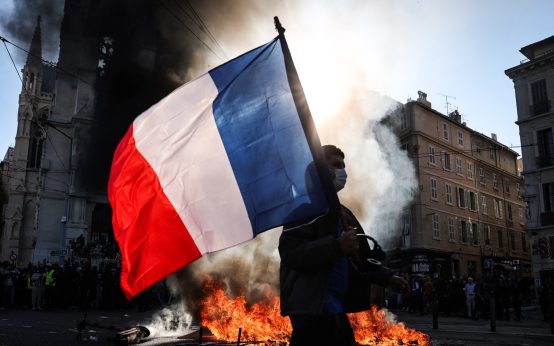 France Facing Social, Economic, and Political Turmoil
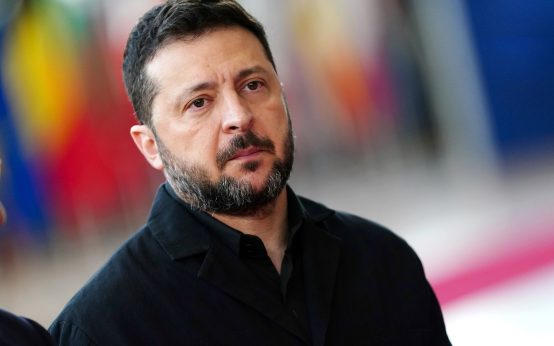 Strains Emerge in U.S.-Ukraine Relations Amid Intelligence Disputes
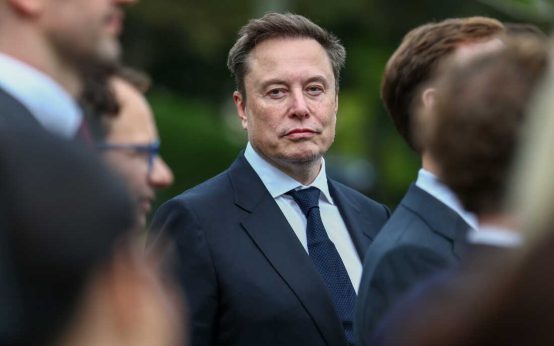 Record Fundraising in 2026 Midterms: Key Financial Dynamics and Strategic Spending
 Unconventional Democratic Candidates Aim for Change in Midterms
 Alberta Referendum Results: Majority Chooses Unity
 Deliberate Attack Critically Injures Australian MP Helen Haines