
Recent weeks have spotlighted high-profile clashes in battlegrounds like Maine and Michigan. However, a trend reveals a lack of debates scheduled in a slight majority of races this year, including key contests, according to a Post Opinion analysis.
This trend suggests that political candidates from both parties are avoiding settings where they must defend ideas without a script. This situation limits the public’s access to essential information for informed voting, impacting American democracy and personal liberties.
The absence of debates is concerning for the Senate, known as a deliberative body. In 1858, Sen. Stephen Douglas (D-Illinois) debated Republican challenger Abraham Lincoln multiple times, offering the country valuable discourse on slavery’s legality and morality, even though Lincoln lost.
Senators have historically served as ideological leaders, partly because their six-year terms provide freedom for establishment and the absence of gerrymandering pressure that affects House members. In less competitive states, favored candidates tend to skip opponent events or ignore invitations.
Uncompetitive 2026 Senate Races Without Debates
- Alabama: Barry Moore did not respond to third-party candidate Everett Wess, who expressed a desire to debate.
- Arkansas: Tom Cotton declined two debates with Hallie Shoffner; a conservative outlet-hosted event fell through.
- Delaware: Chris Coons declined a debate with Michael Katz.
- Florida: Ashley Moody declined to debate Angie Nixon.
- Idaho: Jim Risch declined a debate with Todd Achilles.
- Louisiana: Julia Letlow didn’t respond to Jamie Davis’s challenge.
- Mississippi: Cindy Hyde-Smith declined a debate with Scott Colom.
- New Mexico: Ben Ray Lujan didn’t respond to Larry Marker.
- Oklahoma: Kevin Hern’s campaign reported no debate invitation; N’Kiyla Jasmine Thomas is willing to debate.
- Rhode Island: Jack Reed didn’t respond to Raymond McKay.
- South Dakota: Mike Rounds declined a debate with Brian Bengs.
- Tennessee: No challenge issued to Bill Hagerty by Marquita Bradshaw.
- Virginia: Mark Warner declined a debate with Bert Mizusawa.
- West Virginia: Shelley Moore Capito didn’t respond to Rachel Fetty Anderson.
- Wyoming: Harriet Hageman didn’t respond to James Byrd.
Competitive 2026 Senate Races Without Debates
- North Carolina: Both Roy Cooper and Michael Whatley have expressed willingness, yet no debates are set.
- Ohio: Sherrod Brown is open to debate, but no active challenge to Jon Husted, who remains noncommittal.
- Texas: Ken Paxton is open to debate, but no dates accepted by James Talarico.
Several factors explain this trend. Polarization and declining split-ticket voting reduce swing voters’ influence, shifting Senate race emphasis to primaries. Decreased local media also plays a role, as debates once offered free airtime and access to undecided voters. Now, many seek superficial media like social media instead.
Debates, even routine ones, can be enlightening. A critical moment was President Joe Biden’s 2024 debate with Donald Trump. This event exposed Biden’s unfitness, leading to his withdrawal. As lawmakers age, such events can gauge representatives’ mental acuity.
Debates ensure accountability, compelling politicians to defend worldviews and past promises. This engagement, despite imperfections, forms a core part of the American political experiment. Neglecting these activities weakens this foundation.
About this story: Candidate images sourced from The Post, Associated Press, campaigns, and various media outlets, including Capitol News Illinois, KTVQ News, News Channel Nebraska, C-SPAN, Questa del Rio News, WPRI, Dakota News Now, WWBT, MetroNews Television, and Wyoming PBS.
 Democrat Sam Forstag Aims to Break Montana’s Republican Stronghold
 Political Developments and Public Reactions
 Key Updates in Texas, Michigan, and Maine Senate Races
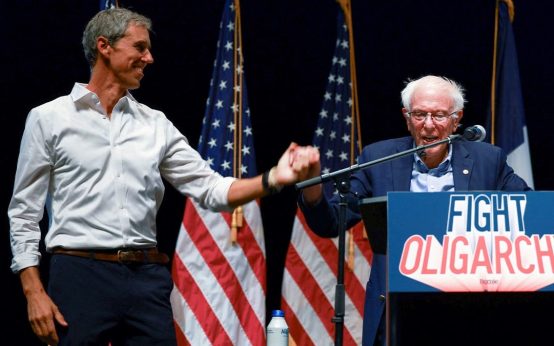 Texas Senate Candidate James Talarico Campaigns Separately from Bernie Sanders Rally
 Republicans Battle for Iowa Amid Concerns of Blue Wave
 Contested Race for Illinois Senate: Jared Ploger vs. Edgardo Perez