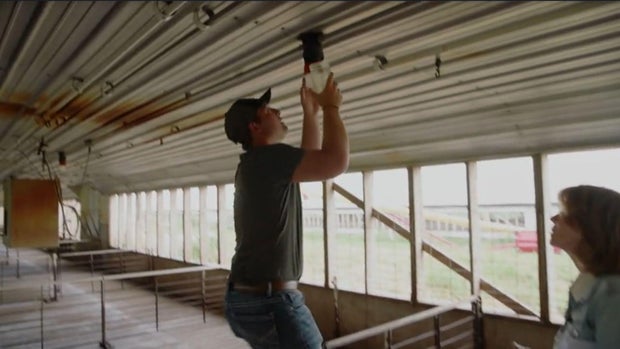
Erin Moriarty visited the Mullis family farm in Iowa, where Trysten Mullis described a peaceful past. He, along with his siblings Taylor and Wyatt, lived with their parents, Todd and Amy, on this 400-acre property.
It’s a whole family effort to … run a farm this size,
said Trysten, reflecting on their life growing corn, soybeans, and raising pigs.
The morning Amy Mullis died in November 2018 seemed ordinary. Trysten, then 13, was with his parents in the hog barn preparing for pig shipments. Trysten carried heaters, Todd worked on pipes, and Amy cleaned lights. Trysten noticed Amy seemed dizzy, a concern since she had recently undergone a minor medical procedure. Amy agreed to rest inside the house but stopped to fetch a pet carrier on her way.
Trysten recalled seeing his mom leave, eventually discovering the pet carrier untouched and finding Amy with a corn rake in her back. Todd and Trysten attempted to save her, rushing her to the hospital after calling 911.
Amy died, leaving her family distraught. Authorities accused Todd Mullis of murder despite his and Trysten’s claims of an accident. Dr. Kelly Kruse, the state medical examiner, classified Amy’s death as a homicide due to multiple puncture wounds inconsistent with a single fall.
Trysten, initially the only witness, said he lost sight of Todd briefly, leading prosecutors to speculate that gave Todd time to kill Amy. However, Trysten later argued he was pressured to testify by his grandfather Randy Munson.
Trysten believes Todd couldn’t have killed Amy. The physical impossibility of crossing long distances unnoticed in the barn was crucial to his argument.
Defense attorneys Dina and Daniel Nesheiwat, evaluating Todd’s case, presented new expert analyses contradicting the prosecution. They posited Amy fell onto the rake herself, strengthened by a biomechanical analysis by Dr. Valentina Ngai and forensic pathology from Dr. Jennifer Hammers.
Key to their theory, Amy’s coat had fewer holes than her wounds, suggesting accidental injury. They believe Amy, disoriented possibly from medication, navigated tight pathways with tripping hazards.
At the hearing, Todd saw his children for the first time in years. Despite the defense’s arguments, a judge rejected Todd’s appeal for a new trial, maintaining the original verdict citing counsel competence and persuasive prosecution evidence.
The ruling devastated Todd’s family, believing the accident theory was undervalued. They vowed to continue challenging the conviction, anchored by their faith in Todd’s innocence and scientific findings supporting an accident scenario.
Meanwhile, Amy’s family viewed the defense’s claims as implausible, standing by the homicide verdict while continuing to honor Amy’s memory.
 Trump Administration Seeks Recusal of Judge in D.C. Golf Course Case
  Alex Murdaugh’s Defense Pursues New Evidence in Retrial Preparation
  Florida Woman Found Guilty of Murdering Boyfriend
  Defendants in School District Fraud Case Plead Guilty
  Illinois Teen Charged in Alleged Temple Shooting Plot