
The Conversation, a nonprofit news organization, presents insights from researchers and scientists to help readers navigate a complex world. Recent studies examine the so-called ‘massacre generation,’ which refers to Americans who have grown up amidst frequent mass shootings. Despite the shared fear these events generate, it doesn’t translate into unanimous policy views among this group.
Demographics reveal that nearly 50 million Americans aged 18 to 29 have the potential to vote in the upcoming midterm elections. Approximately 60% of them express the intention to participate. This level of engagement could set records for midterm turnout among voters under 30.
Age groups affected by these shootings include not only victims but also survivors and witnesses. The psychological impact varies widely, shaping individual perspectives and influencing political positions. Fear stemming from mass shootings does not guarantee alignment in policy preferences or voting behavior.
The role of media cannot be understated. The way mass shootings are portrayed may affect public perception and political attitudes. Different media outlets present varying angles which contribute to the diverse policy views seen in the ‘massacre generation.’
 Michigan Senate Candidate Abdul El-Sayed Addresses Accusations
 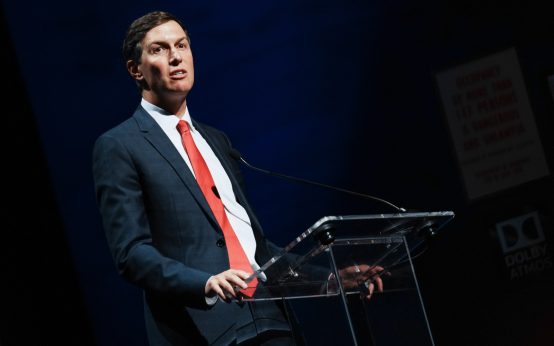 Kushner’s Diplomatic Role and Travels Under Scrutiny
 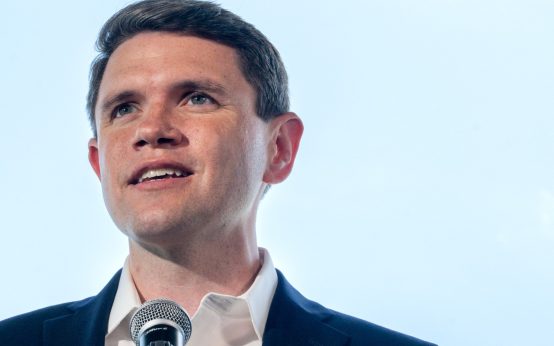 Data Centers at Center Stage in Texas Senate Race
 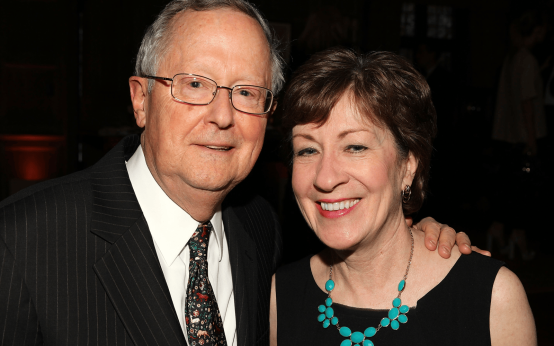 Scrutiny on Senator Susan Collins Amid Husband’s Lobbying Ties
  Democrats Gain Momentum in Key Senate Races Ahead of Midterms
 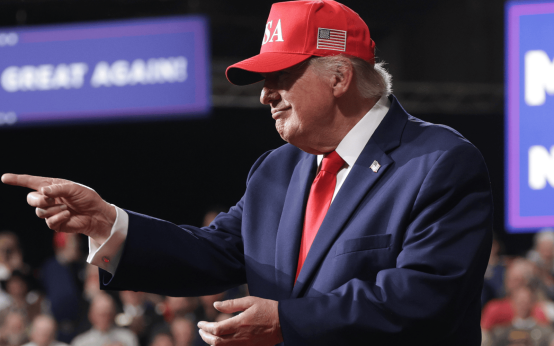 Republican Support for Trump Shows Decline Ahead of Midterms