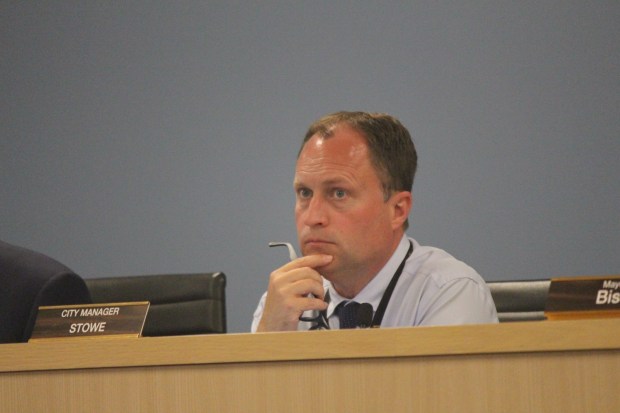
Evanston residents may face financial challenges in 2027 if the proposed budget by the city staff is approved. At an October City Council meeting, it was revealed that the budget includes increases such as an 8.9% property tax hike, a 25% rise in water rates, and added fees for natural gas and garbage collection.
The budget suggests higher taxes on non-essential services, including streaming and rideshare apps. However, Council members expressed concerns, urging city staff to consider reducing expenses before increasing taxes. They suggested potential cuts, including personnel reductions, to avoid burdening residents.
Evanston’s fiscal year 2027 spans from January 1 to December 31. The proposed budget aims to support the Parks and Recreation Fund and bolster the city’s General Fund. Additionally, a $100 million Capital Improvement Plan seeks to replace lead service lines and upgrade facilities.
The proposed budget aims to strengthen the city’s financial position while maintaining essential services and addressing significant infrastructure needs.
The proposed budget totals $349 million, a 2% increase from the previous year. Costs have risen, especially in the city’s Grant and Insurance Funds, due to higher health insurance expenses, projected to increase by 17% next year.
The city’s General Fund anticipates a $6 million deficit. Although this is an improvement compared to the past three years, it remains a concern. To address revenue shortages, a property tax hike is planned, translating to an annual $180 increase for the median home value of $481,000.
Additional charges anticipated in 2027 include a rise in streaming service taxes from 5% to 10% and an increase in rideshare app taxes from $0.20 to $0.50 per ride. Natural gas taxes and waste pickup fees are set to increase as well.
Despite these hikes, many Council members voiced concerns that financial pressure would fall on taxpayers. Ald. Tom Suffredin and others stressed the need to examine staffing costs and other expenses before resorting to increased taxation.
Michael Van Dorp, a senior financial analyst, noted that 80% of the General Fund’s expenses are tied to personnel, hinting at the complexity of budget cuts. Ald. Clare Kelly and other members called for more efficient operations, suggesting reductions in top salaries.
Chief Financial Officer Hitesh Desai indicated planned job cuts, but Council members debated whether these measures were sufficient. Some advocated for exploring deeper cuts to prevent financial burden on residents.
Amid these discussions, some council members defended staffing levels, arguing that recent additions helped ensure employees were not overworked. Ald. Bobby Burns highlighted the need for careful consideration to maintain service delivery.
The Council will continue budgeting talks on October 26, with hopes of finalizing the budget by November 23.
 University of Chicago Bans Man from Campus Amid Sexual Assault Investigation
  Attempted Mass Shooting at Aurora Hindu Temple
  Santa Ana Winds Threaten Southern California with High Fire Risk and Power Outages
  95-Year-Old Woman Dies After Crash on Chicago’s Lower West Side
  Significant Events in Chicago on October 15
  Bear’s Halloween Candy Feast at Alaska Hospital