Trump’s Announcement and Analysts’ Skepticism
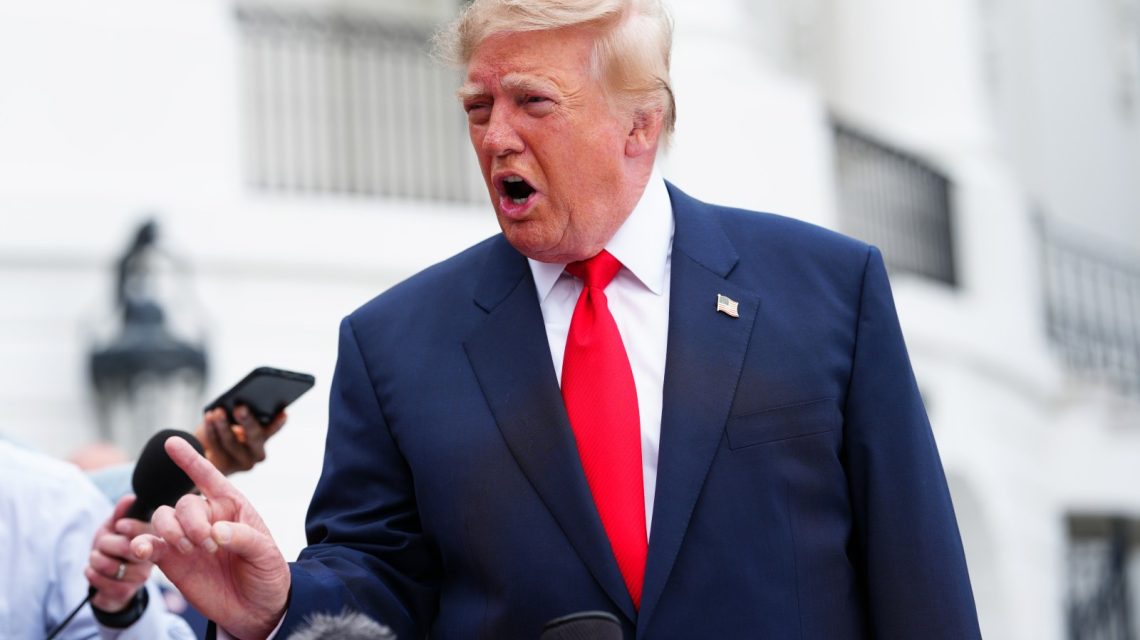
President Donald Trump stated on Friday that a new agreement with Russia would quickly reduce diesel prices. He announced that Russian President Vladimir Putin agreed to supply additional diesel fuel to global markets. The administration authorized transactions involving Russian diesel, aiming for price reductions.
A White House official claimed the added supply would lower prices and benefit American farmers, truckers, and workers. However, energy analysts expressed doubts about its impact before the upcoming elections. They argue the deal might not significantly alter market conditions.
Experts Weigh In
Patrick De Haan from GasBuddy expressed skepticism, noting that the promised diesel volumes might be too small to impact U.S. diesel prices significantly. He mentioned that the agreement might not substantially change market conditions and doubted Russia’s ability to deliver the promised amounts. A 300,000-ton diesel shipment represents just about a day and a half of U.S. diesel supply, questioning the agreement’s effectiveness.
Tom Kloza from Gulf Oil questioned Russia’s ability to part with diesel due to its own domestic needs. He highlighted refining disruptions from Russian facilities facing attacks and challenges in the Middle East. Ed Hirs from the University of Houston emphasized the lead time needed for transport and distribution, suggesting the deal’s limited short-term impact.
Political Dimensions of Diesel Prices
Unlike gasoline, diesel is crucial for many sectors such as trucking, farming, and industrial operations. Increased diesel prices contribute to inflation, affecting broader supply chains. The Trump administration has tried to reduce prices by allowing the use of dyed diesel and facilitating additional Russian diesel exports.
This issue holds political significance, with diesel prices averaging $6.27 per gallon, according to AAA. Some Republicans criticized the agreement, opposing energy dealings with Russia amid ongoing conflicts. Representative Brian Fitzpatrick announced plans for legislation blocking Russian oil purchases, signaling political contention.
Challenges and Considerations
Bob McNally from Rapidan Energy Group highlighted global diesel supply losses, asserting that Russian exports represent only a small fraction of global needs. Analysts noted constraints like refinery damages impacting potential deliveries from Russia.
Ukraine’s Response and Broader Implications
The deal intensified tensions between Trump and Ukrainian President Volodymyr Zelensky. Trump linked diesel prices to Ukrainian attacks on Russian infrastructure, while Zelensky countered, attributing price fluctuations to other geopolitical factors.
Zelensky also addressed Trump’s comments regarding Ukraine’s leadership, emphasizing democratic processes for leadership changes.
Amid claims of an energy ceasefire, Zelensky accused Russia of ongoing attacks on Ukrainian facilities. This underscores complications surrounding Trump’s diesel initiative, linking it to broader geopolitical tensions.
 Axiom REACH Foundation Expands Cancer Support Efforts to Bangladesh
  Texas Attorney General’s Campaign Contributions Under Scrutiny
  Michigan Senate Candidate Proposes AI Development Freeze
  Mass Voter Removal in India Sparks Protests and Accusations
  Steve Hilton’s Critique and Campaign Strategies
  Maine Senate Race: Ad Blunder and Key Developments