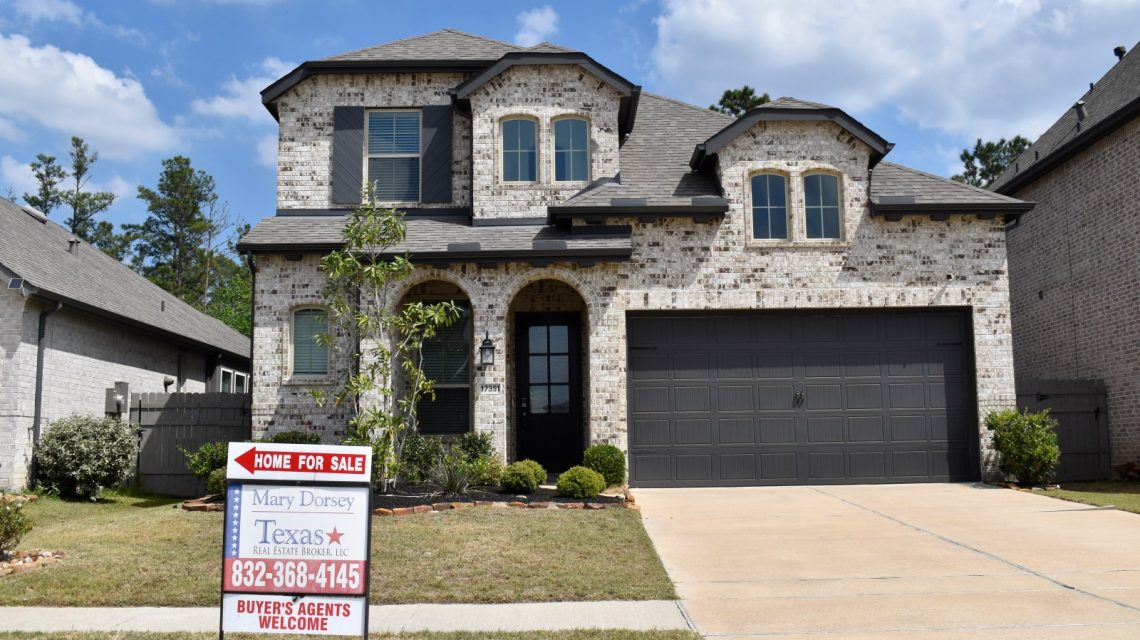
A significant transfer of wealth is expected as baby boomers downsize, sell, or pass on their homes. Experts predict this ‘silver tsunami’ could alleviate the housing shortage but bring new challenges.
Generational Housing Succession
Realtor.com reports that approximately 13.9 million homes currently owned by baby boomers and the Silent Generation will change ownership within the next decade. If 45% of the 1.27 million homes projected to be released next year enter the market, for-sale listings could return to pre-pandemic levels. This has already begun, though slowly. Inherited homes comprised a record 7% of U.S. property transfers, totaling 340,000 from August, with sellers predominantly aged 60 or older.
Jiayi Xu, a senior economist at Realtor.com, stated that this generational succession has been ongoing but is now occurring on a larger scale. This represents a real increase, not merely a continuation.
Regional Imbalances
The distribution of homes is not likely to be even across the U.S. Researchers are concerned that some areas will face an oversupply of homes while others will not have enough. Xu highlighted markets with limited population growth as particularly vulnerable to housing oversupply.
The National Association of Home Builders identified Pittsburgh, Buffalo, and Rochester as regions at risk of turnover exceeding demand. Regions like Florida, with higher percentages of senior homeowners, may see more homes become available.
Lack of Starter Homes
A small portion of the boomer-released homes will be starter homes. Realtor.com projects that out of the homes entering the market, only 380,000 will have two or fewer bedrooms, while a significant portion will be larger family homes. This shortage of starter homes may intensify competition among younger and older buyers.
Xu suggests that while older buyers may compete with younger ones, the turnover of larger homes might eventually facilitate the availability of starter homes.
Delay in Home Release
Despite the demographic shifts, many boomers are expected to stay in their homes longer. High mortgage rates, currently above 7%, contribute to this trend by making it less financially attractive to move.
Xu notes that high mortgage rates deter older homeowners from selling smaller, paid-off homes and simultaneously hinder younger generations from purchasing available properties, complicating the housing market’s transition.
Meanwhile, a Moody’s poll found that 75% of Americans over 50 prefer to remain in their current homes, with an emphasis on accessibility upgrades and home maintenance.
 IKEA’s Strategic Move: Closing Bolingbrook Store and Opening Smaller Format in Naperville
  California Condo Buying: Weighing Pros and Cons
  Alaska’s Housing Shortage Amid Population Stagnation
  Mortgage Rates Surge Above 7%
  States Take Action to Mitigate High Fuel Costs Amid Political Promises
  Inland Empire Faces Growing Housing Affordability Issues