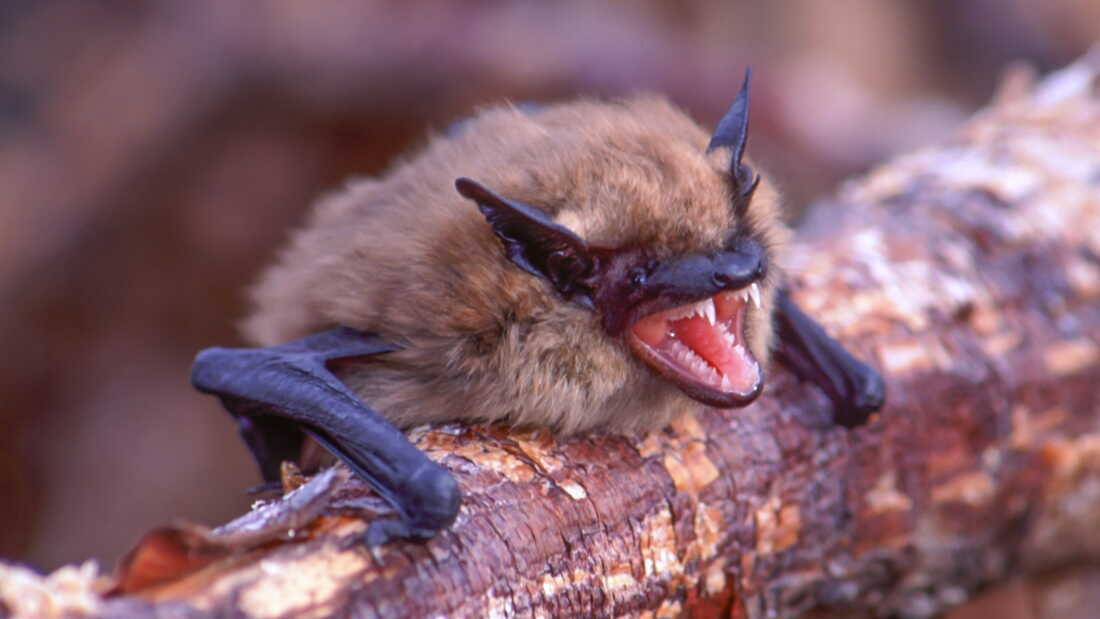
The little brown bat, once the most common bat species in the eastern United States, faces a severe threat. White nose syndrome, a fungus found in caves, has drastically reduced their numbers. This deadly fungus has brought bat populations in the U.S. nearly to extinction over the past ten years.
Recently, conservation biologist Giorgia Auteri and her team discovered genetic mutations among surviving bats. These mutations might reveal how natural selection is influencing the current population. Understanding these genetic changes can inform future conservation strategies.
“We’re easing you into Halloween season with an episode about bats,” said conservation biologist Giorgia Auteri.
Auteri’s research highlights several mutations, indicating that some bats are adapting to the fungal threat. This information could prove valuable in developing effective conservation efforts to support bat populations.
Listeners interested in more animal science can reach out via email at [email protected]. By joining NPR+, supporters get sponsor-free listening and perks across over 25 podcasts, including this one. Learn more at plus.npr.org.
You can listen to this episode of Short Wave on streaming platforms like Spotify and Apple Podcasts. It was produced by Hannah Chinn, with editing by Rebecca Ramirez and Lauren Gonzalez. Tyler Jones was responsible for fact-checking, and Annlie Huang was the audio engineer.
 The Impact of Generative AI on Critical Thinking Among Knowledge Workers
  New Insights from Research on Ancient Ethiopian Palace
  Moose Street Brawl in Colorado Captured on Video
  Why Animal Scavengers Protect Your Health
  Gene Editing and Ethical Debates at Origin Genomics
  The Endangered American Red Wolf: A Conservation Story