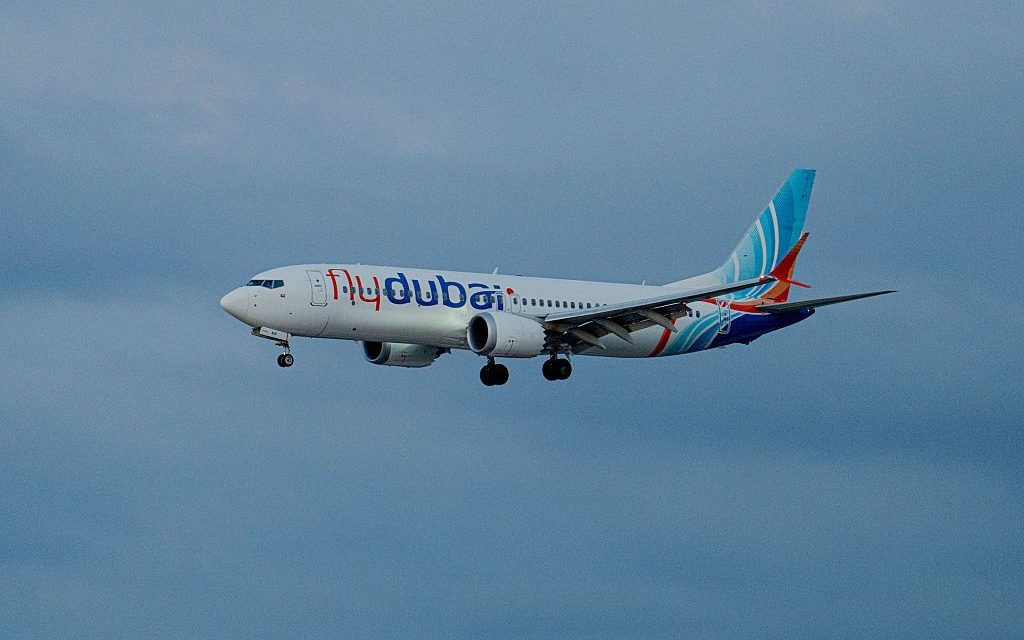
Australian Counterterrorism Investigation
Australian counterterrorism authorities have initiated a probe into the connections of the FlyDubai co-pilot, who is accused of attacking his captain aboard an Israel-bound flight. This investigation introduces an international dimension and raises questions about missed warning signs across multiple countries. Authorities in Australia, the UAE, and Israel are delving into the suspect’s history, travel patterns, and motives, while examining broader aviation security measures.
The Victorian Joint Counter Terrorism Team, which includes the Australian Federal Police, Victoria Police, and the Australian Security Intelligence Organization, is leading the investigation into the accused co-pilot’s Australian ties. Sources note that the co-pilot studied in Melbourne, with one source affirming his attendance at RMIT University about a decade ago. RMIT confirmed his enrollment, though he did not complete an engineering qualification.
The Australian Federal Police emphasized that the investigation aims to determine the nature and scope of the suspect’s links to Australia. Officials have released limited details. However, sources report the co-pilot’s study in Melbourne’s thriving international student environment, highlighting RMIT as his alma mater. The Financial Times has reported that he allegedly engaged with radical mosques and extremist websites during this period, although these claims lack independent verification.
Despite ongoing scrutiny, neither UAE authorities nor FlyDubai have publicly identified the co-pilot. Media outlets, including NBC News, have reported the suspect’s identity as Hamam al-Hammami. Australian authorities have not accused him of crimes within Australia, focusing instead on understanding his background and possible ideological influences.
The FlyDubai Flight FZ1073 Incident
The investigation centers on an incident aboard FlyDubai Flight FZ1073, which was bound for Tel Aviv from Dubai, carrying over 170 individuals. Emirati prosecutors described the event as an attempted terrorist attack.
Reports indicate that the co-pilot attacked Captain Smit Machchhar using an emergency crash axe and attempted to seize control of the cockpit. The plane descended dramatically, but catastrophe was avoided when the injured captain opened the cockpit door, allowing others to subdue the attacker. A reserve pilot on board successfully diverted the plane to Tabuk, Saudi Arabia.
The captain recalled, from a hospital in Abu Dhabi, realizing the rapid descent while wrestling for control. His actions saved lives, facilitating further intervention. Initially detained in Saudi Arabia, the suspect was transferred to UAE custody, with no formal charges yet announced.
Questions of Extremism
Amidst this inquiry, several reports suggest concerns over the suspect’s extremist views. According to Associated Press and unnamed officials, Omani authorities previously barred him from flying due to extremist concerns. The suspect had been reassigned to an administrative role instead of flying commercial aircraft.
Israeli Prime Minister Benjamin Netanyahu claimed that the co-pilot underwent Islamist radicalization. However, he offered no public evidence. While the UAE classified the attack as terrorism, they have not linked it to a known group. U.S. officials suggest he might have acted alone, tying it to a “lone wolf” attack style possibly inspired by extremist content online.
Scrutinizing Aviation Security
The incident has sparked a debate over aviation security and the suspect’s employment on a flight with predominantly Israeli passengers. Key unresolved queries include how Oman restricted his flying duties due to extremism without impacting his assignment to the flight.
Authorities shared passenger and crew data with Israel before departure without flagging any concerns. Israeli officials are now reviewing security measures for foreign airlines entering the country. Prime Minister Netanyahu has tasked the National Security Council with examining these procedures, while political adversaries question aviation oversight weaknesses.
Security experts caution that legal and jurisdictional constraints often limit international background checks. Aviation security specialist Philip Baum notes that countries lack equal information access, making exhaustive cross-border screening challenging.
Future Considerations
The attack has interrupted air travel between Israel and the UAE, affecting symbolic regional normalization after their diplomatic ties in 2020. FlyDubai and Emirates have suspended their Israel-bound flights amid ongoing investigations.
Authorities aim to understand the suspect’s motivations and history. UAE Attorney General Hamad Saif Al Shamsi reported continued efforts to uncover the attack’s full circumstances and possible external connections.
For Australia, probing the suspect’s time in Melbourne could unravel insights into one of recent history’s most significant commercial aviation security incidents.
 Assessing the Impact of American Military Actions in the Strait of Hormuz
  Violence Overshadows Student Protests in France
  California Realtor Arrested for Allegedly Spying for China
  Hero Passengers Thwart Hijacking on FlyDubai Flight
  FBI Arrests Suspected Chinese Agent in Los Angeles
  Netanyahu Urges Comprehensive Security Review After Flight Incident