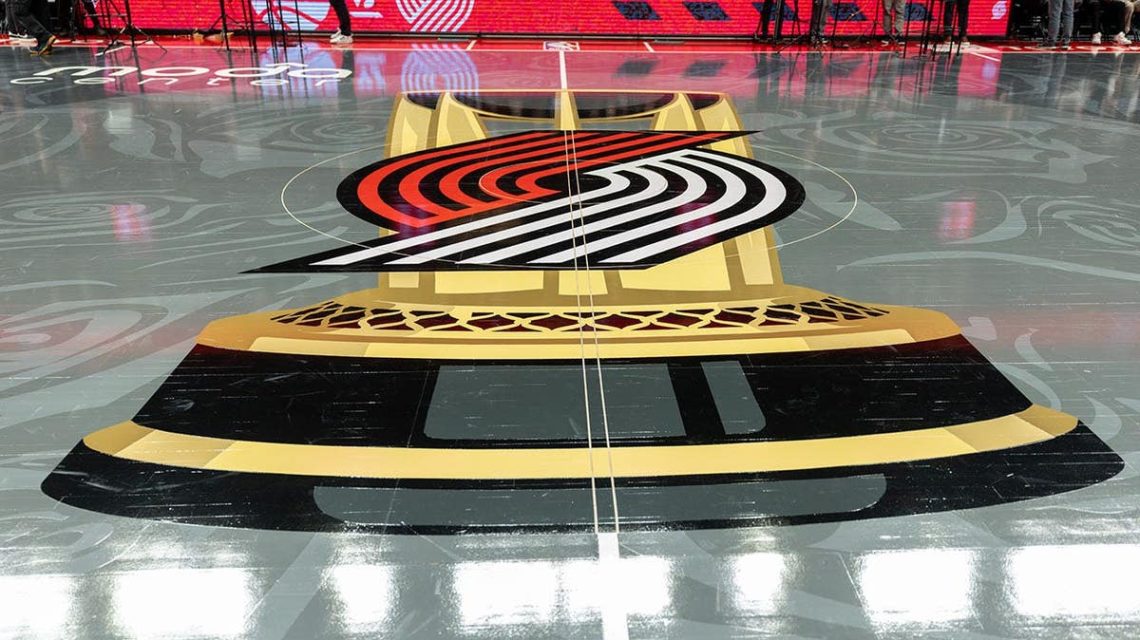
The incident involving broadcaster Braiden Bell, who was hired and then fired by the Portland Trail Blazers within 12 hours, has sparked a significant debate. Bell’s dismissal was due to tweets from 2012 and 2013, posted when he was 15. These tweets, although inappropriate, are views from his teenage years.
Key Figures
In this scenario, three main figures emerge: the victim, the coward, and the villain. The victim is Bell himself. The coward is the Portland Trail Blazers organization, which quickly fired him after learning about the tweets. Finally, the villain is the TV station KGW, which unearthed the tweets and pressured the team into action.
Details of the Past Tweets
Bell’s tweets were made public by KGW. In November 2012, he posted, “Gotta give a shoutout to all the big girls out there and those closet w—-s #BigUps.” A few weeks later, Bell tweeted, “I’m not racist at all…But not gonna lie…Asian people piss me off! Hahaha #Honest.” Further tweets were also found offensive.
While these tweets are undeniably offensive, the context is that Bell was a teenager at the time. Jason Whitlock, a commentator, mentioned how many people, including himself, expressed inappropriate thoughts at that age.
The Media’s Role
KGW’s role in bringing these tweets to light has been questioned. The intention behind revealing these old tweets and its benefit to the public remains unclear. Critics argue that this contributes to the growing distrust in media institutions. Evidence suggests the reporters themselves closed off communication avenues after the story broke.
The Blazers’ Decision
Questions have arisen over the Trail Blazers’ decision to fire Bell so quickly. Some suggest the team did not thoroughly review his past tweets before hiring. While Bell had over 30,000 tweets with nothing offensive since 2013, his other roles in sports broadcasting showed no signs of the views in those few tweets.
Public and Professional Reactions
Former colleagues and professionals expressed disappointment over the decision. Paola Boivin, a sports columnist, supported Bell, emphasizing that youthful mistakes should not define a person’s entire career.
The public has shown a tendency to forgive when apologies are sincere. Examples include comedian Shane Gillis’s return to popularity after past controversies and Kevin Hart overcoming backlash after old comments resurfaced.
Conclusion
This case underscores the importance of being cautious online, as past actions can surface later. Ultimately, it is a reminder that while public opinion can be forgiving, organizations might not be as understanding.
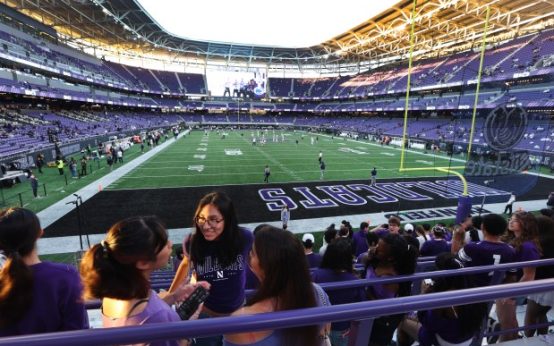 Historic Opening of Northwestern’s New Ryan Field Marks a New Era
  The True Value of Youth Sports
 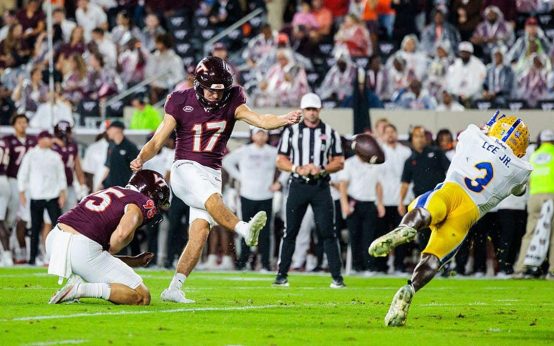 Controversy in Virginia Tech’s Game Against Pittsburgh Amid NCAA Protocols
  Rethinking Youth Sports: A Focus on Health and Longevity
  Chicago White Sox’s Unexpected Postseason Journey
  Washington Mystics’ Record Season Ends in Defeat