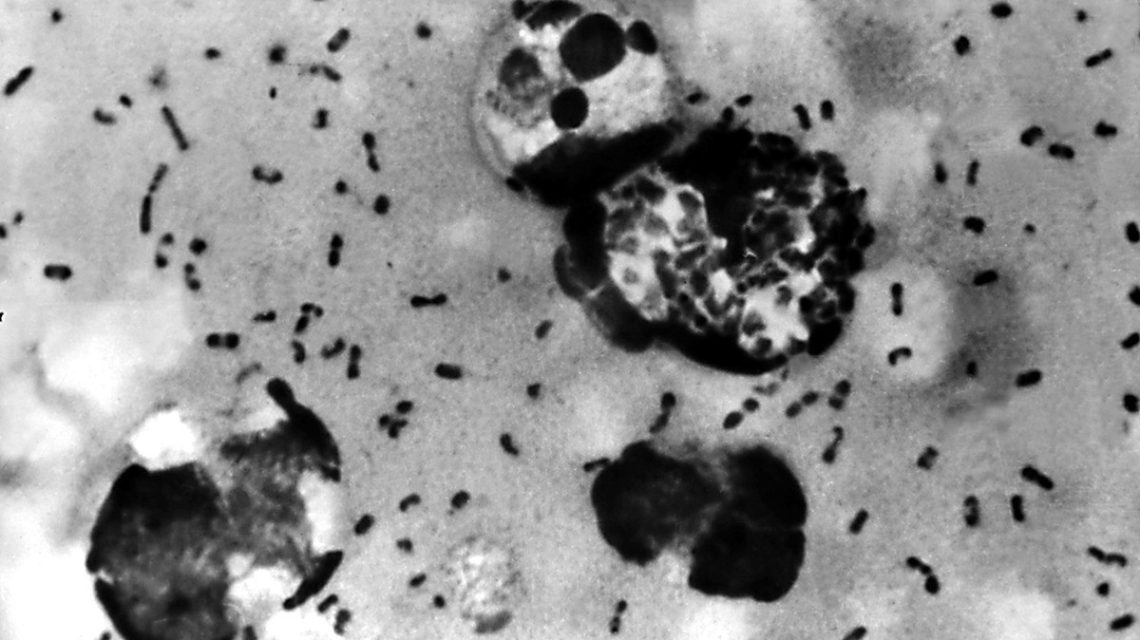
A woman in Siberia has died from what is suspected to be the plague, prompting a comprehensive response from Russian health officials and media outlets. Igor Kobzev, the governor of the Irkutsk region, discussed the situation on Friday with Rospotrebnadzor, Russia’s public health agency. The deceased has been identified as Daria Shipilova, a 28-year-old lab technician from the Irkutsk Anti-Plague Institute, according to the People of Baikal, a regional independent publication.
The World Health Organization (WHO) reports that from 2019 to 2025, ten countries have encountered suspected or confirmed plague cases, with nearly 4,000 incidents. Plague is typically spread by fleas carrying the Yersinia pestis bacterium. Humans can contract plague through contact with contaminated materials or animals. Bubonic plague is the most prevalent form, though the bacterium can also lead to pneumonic and septicaemic plague.
Yersinia pestis exists naturally in certain global regions. While outbreaks are rare, they occasionally occur, particularly in parts of Africa. Historically, plague has caused massive fatalities, including the Black Death, which reduced Europe’s population by about a third in the 14th Century. Health experts note that modern antibiotics can treat plague effectively if detected promptly.
Local Hospital Quarantine
The deceased woman passed away in Shelekhov, near Irkutsk’s main city. The local mayor, Maxim Modin, stated that the hospital in Shelekhov is under quarantine, and lab operations are halted. No patients are being discharged or admitted. Alexey Tsydenov, governor of the Buryatia region, reported a possible plague-related death and emphasized ongoing anti-epidemic actions in the affected area. Reports suggest around 200 individuals who had contact with the woman are now under medical observation. The death was related to pneumonic plague, as noted by a Telegram channel connected to Russia’s security agencies.
Understanding Plague Types
The WHO classifies pneumonic plague as the most aggressive form, affecting the lungs, with an incubation period as short as 24 hours. Symptoms include coughing and breathlessness, and it can easily spread via respiratory droplets, making it highly contagious. The more common bubonic plague causes symptoms such as chills, fever, and swollen lymph nodes that may become pus-filled sores due to flea bites. If untreated, it can develop into pneumonic or septicaemic plague.
From 2019 to 2025, Mongolia, neighboring Buryatia, documented 17 plague cases resulting in seven fatalities. Of those, five succumbed to bubonic plague, while two had septicaemic plague. Historical outbreaks have also occurred among communities near Lake Baikal in southeastern Siberia around 5,500 years ago, as revealed by a scientific study published in June.
 Foods Associated with Longevity and Their Recipes
  Rethinking Youth Sports: A Focus on Health and Longevity
  Navigating Life’s Unexpected Turns: A Personal Journey
  Florida Woman’s Brain Tumor Discovery Reveals Years of Misdiagnosed Symptoms
  Controversy Over Heavy Metals in U.S. Cat Foods
  Creatine Supplementation Benefits Middle-Aged and Older Adults