
A sexual assault case involving a Cornell University fraternity has drawn attention to a specific aspect of New York’s rape law, initiating calls for changes in how the state deals with cases involving intoxicated victims.
The Case’s Spotlight
The issue surfaced when Tompkins County District Attorney Matthew Van Houten initially chose not to file criminal charges related to accusations that a woman was sexually assaulted at a fraternity house in 2024. In response, Governor Kathy Hochul appointed Attorney General Letitia James as a special prosecutor to lead the investigation and urged lawmakers to reconsider the state’s consent laws.
Consent Laws and the Controversy
Critics refer to the problematic aspect of New York law as the “voluntary intoxication loophole.” This provision complicates the prosecution of specific sexual assault cases involving victims who voluntarily became intoxicated. According to New York criminal defense attorney Mark Bederow, the dispute centers around mental incapacity.
Under New York law, a person who is mentally incapacitated cannot legally consent to sexual activity. Bederow explained that the law differentiates between someone who unknowingly became intoxicated and those who voluntarily consumed substances.
For prosecutorial support, if a victim’s mental capacity was undermined by an involuntary substance, this could demonstrate a lack of consent. However, voluntary intoxication requires prosecutors to use other theories such as forcible compulsion or physical helplessness.
Revisiting the Cornell Case
The central discussion in the Cornell case involves a woman identified as Jane Doe, who alleges she was assaulted at the university’s Chi Phi fraternity house after consuming ketamine, marijuana, and alcohol. Initially, Van Houten’s refusal to file charges was based on her initial statement which didn’t claim involuntary intoxication or consciousness during the assault. He has since reopened the examination.
The Legislative Momentum
Assemblymember Jeffrey Dinowitz has long advocated for legislation to remove distinctions between voluntary and involuntary intoxication in determining legal consent. Supported by prosecutors and victim advocates, Dinowitz’s proposal aims to address inconsistencies but has faced delays.
New York is among 19 states whose laws limit consent due to involuntary intoxication. However, recent cases have motivated reconsideration of such laws. States like Minnesota and Michigan have revised their laws following judicial decisions regarding voluntary intoxication in sexual assault cases.
The ongoing debate in New York shows renewed determination to push legislative changes, spurred on by the Cornell allegations.
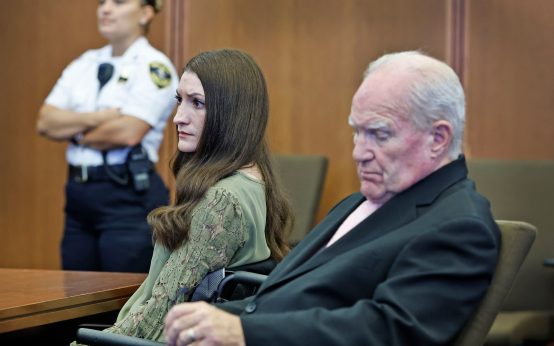 Massachusetts Judge Denies Lindsay Clancy’s Bid to Dismiss Murder Charges
 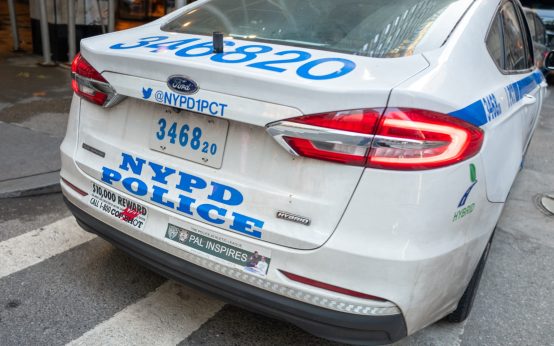 Ex-NYPD Sergeant’s Guilty Plea for Impersonating ICE Officer
 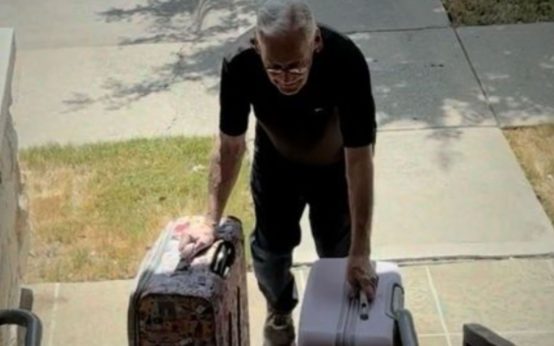 GoFundMe Shuts Down Fundraiser for Elderly Man Due to Allegations of Misrepresentation
  City Sues Property Owners Over Alleged Neglect
  Chris Hansen’s Role in Recent Louisiana Sting Operation
 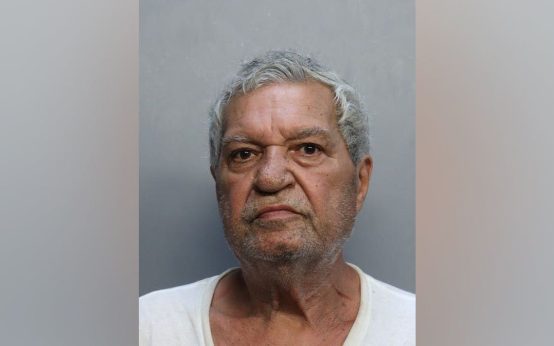 Cuban Immigrants with Criminal Records Arrested for Drug and Weapons Charges