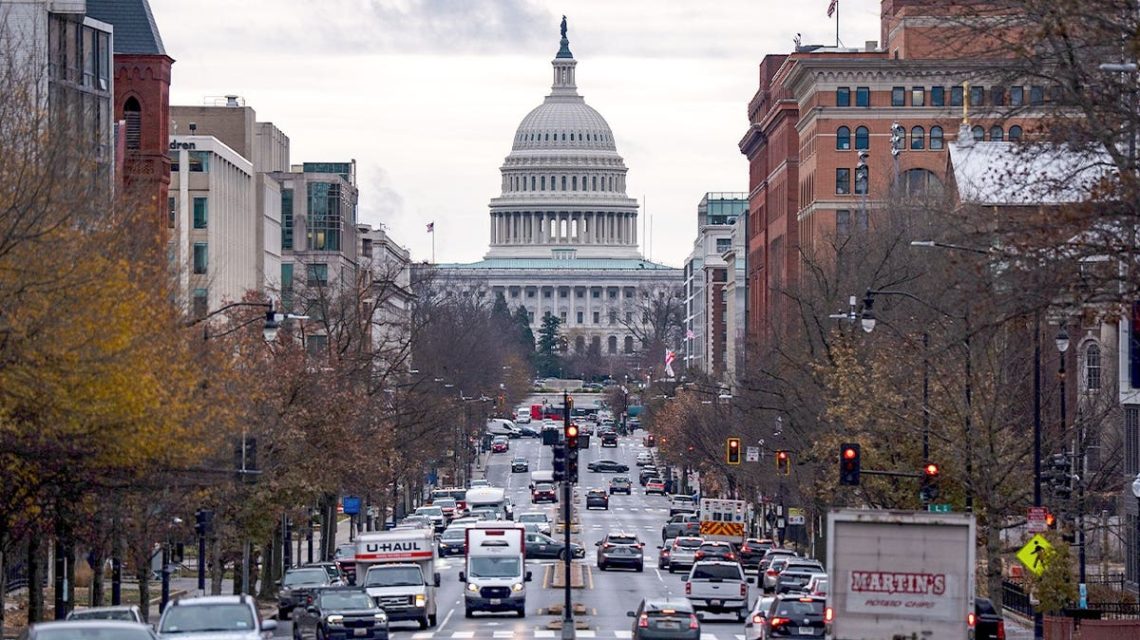
The transition from summer to fall usually signals a tumultuous period on Capitol Hill. In contrast to previous years, this year lacked the chaos typically associated with government shutdown threats. This is because the government funding, traditionally ending on September 30, was resolved ahead of time.
As a result, Congress has been able to enjoy the seasonal shift alongside others indulging in fall activities such as savoring cobbler, sipping spiced pumpkin lattes, and observing the colorful fall foliage. The absence of a government shutdown prevents the usual tension that often accompanies the season when lawmakers scramble against fiscal deadlines.
No shutdown occurred, breaking the pattern from last year’s prolonged 43-day shutdown from October to mid-November.
Government operations are secured through December 11, allowing members and media to engage in autumn traditions. Yet, uncertainty looms as they prepare for future spending negotiations set for mid-December.
As the midterm elections approach, there is little desire to revisit last fall’s contentious debates. Although lawmakers are poised to challenge each other over financial policies, they will wait until after the elections.
The outcomes of these midterms could influence whether the government encounters a shutdown in December. Should Democrats gain control of the House, Senate, or both, these results may push Congressional Republicans to establish their desired funding parameters through fall 2027 swiftly. Republicans will likely resist interim bills that delay finalizations to early next year amid potential Democratic power.
Conversely, if Democrats seize either legislative chamber, they will claim the mandate to direct future spending decisions. Democrats favoring a stopgap bill might aim to negotiate with President Trump starting early 2027. Notwithstanding, the political landscape necessitates bipartisan support to overcome filibuster hurdles in the Senate.
Historically, shutdown scenarios emerge under similar political shifts. The 2018 midterms saw Democrats claim the House during Trump’s presidency, leading to the 116th Congress commencing with a shutdown that lasted 35 days.
A potential government shutdown amid spending disagreements may reflect upcoming challenges if legislative control flips. Democrats will resist Republican-led financial plans and may increase progressive ranks in solid blue districts post-November.
On the Republican front, internal dynamics could shift depending on midterm results. Speaker Mike Johnson’s future may hinge on continued GOP control. If Republicans lose the House, Johnson’s ability to retain leadership status might falter.
House Judiciary Committee Chairman Jim Jordan could seek advancement in leadership ranks, aligning closely with President Trump. Similar leadership uncertainties exist within Senate ranks, impacting figures including Senate Minority Leader Chuck Schumer and Senate Majority Leader John Thune.
If the political makeup of Congress changes, these developments will influence pending legislative agenda items, affecting spending bills, national security measures, and collegiate athletic standards in a lame duck session.
While the transition to fall remains calm, the impending election aftermath promises a resurgence of activity on Capitol Hill. With political shifts in motion, attention turns toward election results that will dictate Congress’s trajectory into the next session.
 Democrats Eager to Flip Senate Amid Polling Challenges
  Challenges Faced by Republicans in the Upcoming Midterms
  Cornel West Discusses Ideological Differences with Sean Hannity
  The Final Sprint for Congressional Control: Key Districts to Watch
  President Trump Discusses Key Issues Before Midterm Elections
  States Lead in Energy Policy Amid Federal Setbacks