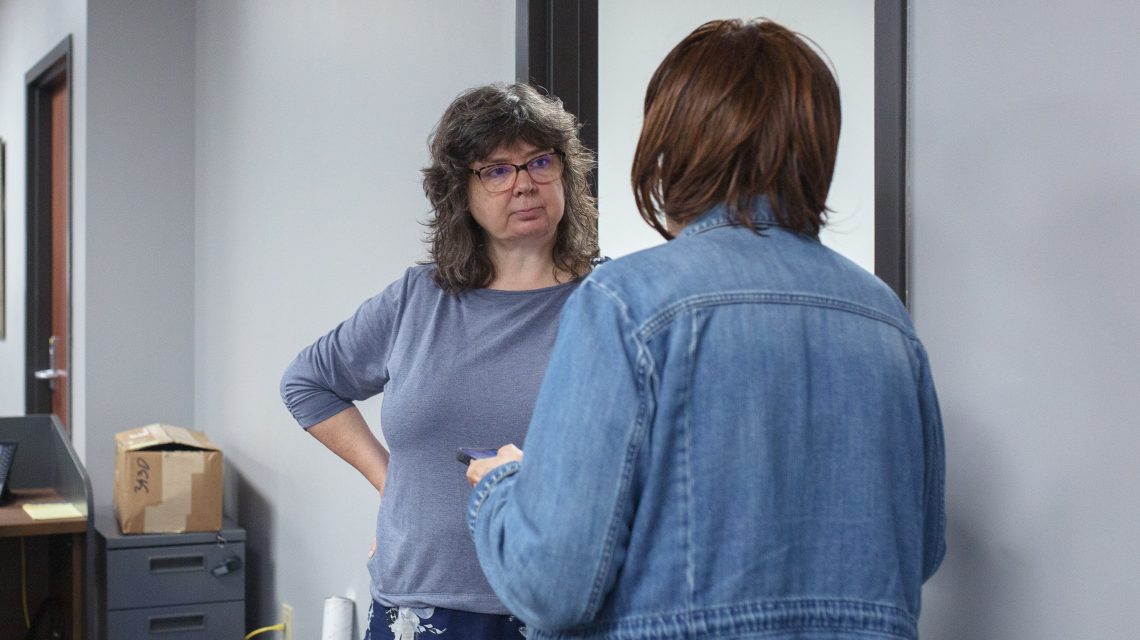
Amy Miller, an attorney with Disability Rights Nebraska, plays a critical role in helping elderly and disabled individuals vote. As she evaluates nursing homes and assisted living facilities across Nebraska, she provides residents with voter registration forms, alongside guidance on reporting abuse or neglect.
Recently, Miller assisted a veteran with a traumatic brain injury in updating his address for upcoming elections. He was aware of his voting preference but struggled with writing. Congress funds Miller’s organization to ensure individuals without internet or transportation can vote. However, a new White House proposal jeopardizes this mission.
The Office of Management and Budget (OMB) proposes changing spending rules to prevent federal grants from being used for voter registration activities. Russell Vought, leading the OMB, opposes taxpayer funding for such efforts. He has redirected federal funds and challenges Congress’s directives.
“Shutting that down and making it more difficult for these Americans to access the ballot box is bewildering to me,” Miller said.
This proposal aligns with the Trump administration’s broader efforts to limit voting access for historically disenfranchised groups. Trump supports the SAVE America Act, demanding citizenship proof for voter registration, potentially eliminating registration drives. Restrictions on nongovernmental registration efforts at naturalization ceremonies illustrate this trend, though temporary reversals followed legal challenges.
The administration also barred colleges from using federal work-study funds for voting-related activities, a directive under contention. Previously, these funds facilitated student-led voter registration.
On Trump’s second term’s first day, Biden’s order to enhance registration opportunities was rescinded. Vought criticized this as a move to boost Democratic support. His proposal, not effective until post-2026 midterms, could significantly impact future elections by restricting voting access.
Nonprofits aiding Medicaid and food stamp sign-ups, complying with the National Voter Registration Act, must offer voter registration forms. If Vought’s plan enacts, these nonprofits face conflicting rules, as do others using private funds for voter outreach. Colleges helping students with voter registration may also face implications.
Rabia Belt, a Stanford law professor, notes that voters with disabilities face more barriers under these rules, though this might not be the intended outcome. The Help America Vote Act, passed in 2002, allocated funds to assist disabled voters. This law improved voting systems post-2000 elections and supports voting access for disabled individuals.
Despite positive impacts, gaps persist. An April 2024 Rutgers report, made for the Election Assistance Commission, highlights ongoing registration challenges. In 2024, 3.6% of disabled voters faced registration issues versus 1.4% without disabilities, according to Rutgers. This significant difference affects around 740,000 disabled voters, Douglas Kruse, Rutgers professor, notes.
The OMB’s proposal, initiated in May, seeks to revamp federal grant rules. Legal battles will likely arise, contesting the rule’s conflict with existing laws like the 2002 Act.
Disability Rights Nebraska, awarded $141,000 annually for voter accessibility, submitted a comment contesting the proposal. They emphasize their nonpartisan commitment, aiding voters of all affiliations. At an event in June, voter registration participation spanned across Republicans, Democrats, and independents.
Amy Miller shared her field experiences to highlight the impact of regulatory changes. In a rural area lacking basic amenities, she registered a young man who had never been assisted in voting.
“I wish politicians making these rules could witness moments like this,” Miller expressed. “If they saw firsthand the importance of this work, it could shift their perspective on voter rights.”
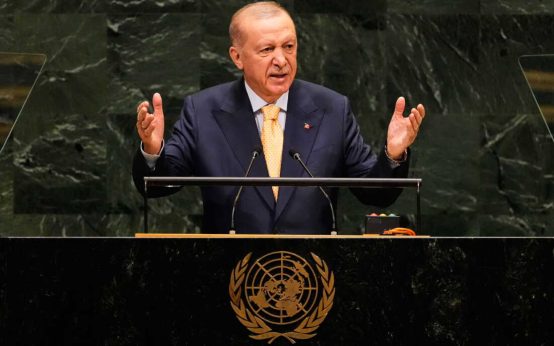 Turkey’s Ambitions and Regional Dynamics: The Mecca Joint Defense Agreement
  Trump’s Second Term Transformation of Washington
  Washington’s AI Concerns and the Promised Technological Future
 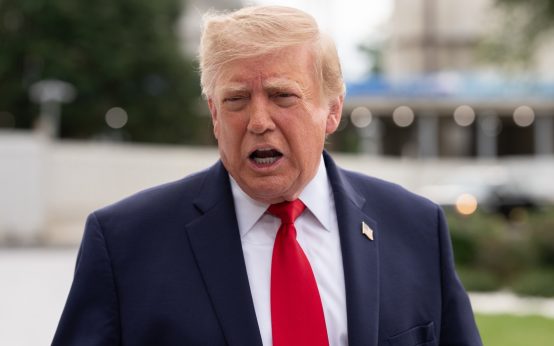 American Workers’ Confidence and Economic Challenges
  Mary Peltola Challenges Sen. Dan Sullivan Over Rising Costs and Federal Aid
 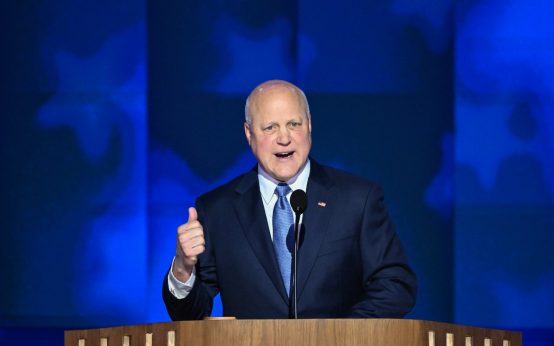 Mitch Landrieu Considers Presidential Run Amid Shifting Political Landscape