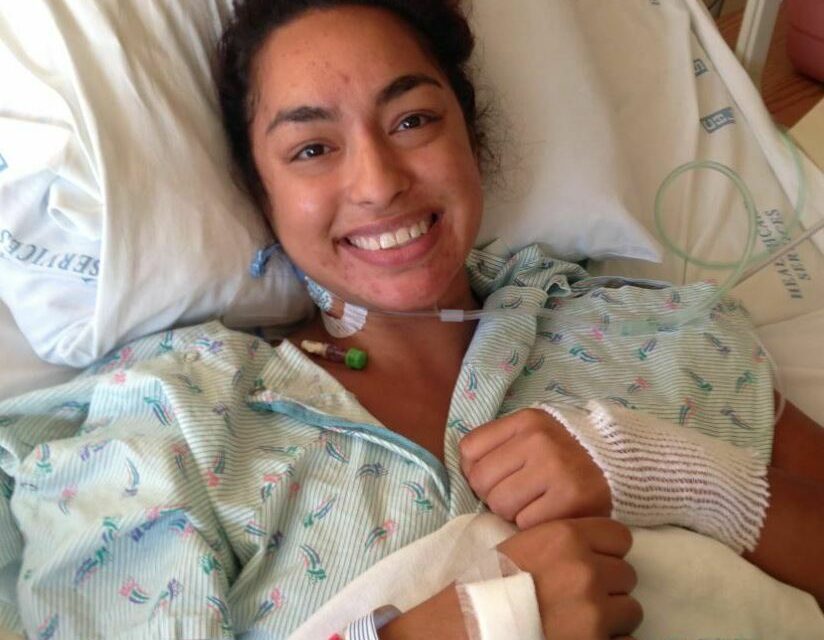
Leila Mirhaydari, shortly after her kidney transplant in 2014, faced unexpected challenges eight years later when her body began rejecting the donated organ. In February 2021, as pandemic restrictions eased in Hawaii, she finally saw her kidney doctor. This was a relief after a year without in-person care, but anxiety lingered. Transplanted organs require diligent care, and she had managed her donor kidney alone.
During this first visit, her lab results revealed alarming changes. “All my levels were out of whack, and I knew I was in rejection,” she says. This news was emotionally painful, as she felt she had let down her donor. Her kidneys initially failed at 27, resulting in years of dialysis. Mirhaydari embarked on a search for a living donor and found her step-cousin, Miles Landis. In September 2014, she received the kidney, affectionately called “The Hulk,” which freed her from dialysis and allowed her to live fully for eight years.
Facing organ rejection, Mirhaydari prepared to navigate the transplant journey once more. Rejection occurs because the immune system attacks the transplanted organ. Patients need medications to suppress this natural response. Nicolae Leca, a professor at the University of Washington, explains: “We think about it as a snowball effect. Our immunosuppression keeps that snowball from moving.” If medication is inadequate, rejection follows. Kidneys from living donors generally last 15-20 years, but earlier rejection is common.
When COVID-19 hit Hawaii, Mirhaydari lost her job as her workplace shut down. Without employment, her health insurance lapsed, complicating her access to needed immunosuppressive drugs. Unable to afford her medications, she made a tough decision. “I reduced my medication intake, despite knowing it was wrong,” she admits. This likely allowed her immune system to attack the kidney, leading to rejection.
Now, she anticipates returning to dialysis as she waits for another donor. Recently activated on the UNOS list, she struggles with guilt and uncertainty. “It’s a very big step, mentally challenging, overcome by guilt and shame,” she confides. UNOS reports over 100,000 Americans await transplants, mostly kidneys, with 17 dying daily while waiting. As she seeks a new donor, federal legislation now ensures Medicare covers immunosuppressive drugs for the life of the organ—a change missed by Mirhaydari. “Though it won’t help me, I hope others won’t face the same ordeal,” she reflects.
Information on living organ donations is available through the United Network for Organ Sharing.
 G. L. Mezzetta Inc. Recalls Peperoncini Due to Pest Concerns
  Insulin Cost Legislation Push
  The Impact of Private Equity Ownership on Hospitals
  Impact of Private Equity on Healthcare Access
  The Potential of Peptides in Healthy Aging and Metabolic Health
  Greek Couple’s Journey to Parenthood Amid IVF Age Limits