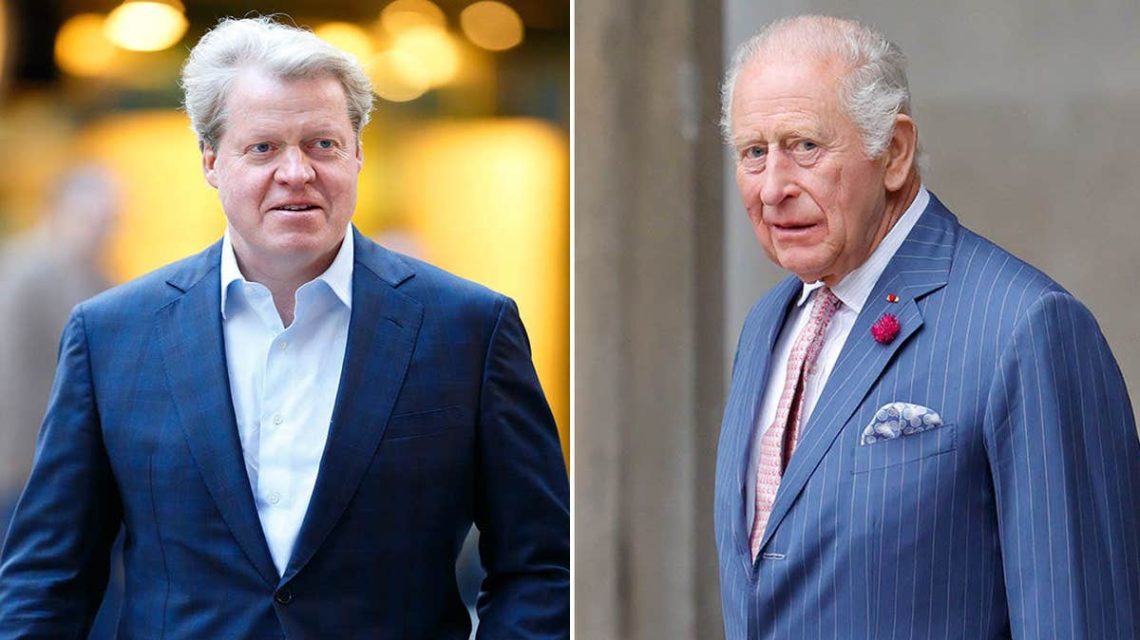
The British royal family is in the spotlight once again due to the release of a controversial book written by Earl Charles Spencer. The memoir, titled Swan Song: Diana, My Sister, revisits painful events from the past, causing upheaval among its members.
Earl Charles Spencer has accused King Charles III of reacting insensitively to Princess Diana’s death. According to Spencer, the king was allegedly “elated” and made comments about forgetting Diana soon after her tragic passing. These claims have reignited tensions within the royal family, particularly affecting King Charles III and Prince William.
The book delves into a contentious episode involving Diana’s funeral procession. Spencer recalls a disagreement with the then-Prince Charles over the decision to have William and Prince Harry, who were teenagers at the time, walk behind their mother’s coffin. This account contradicts previous narratives that portrayed Charles as devastated by Diana’s death.
Royal experts have expressed varied opinions on the impact of Spencer’s revelations. Kinsey Schofield, a well-known commentator, highlights the frustration and anger within the royal households, describing it as an attack on Charles’ character. This sentiment is shared by others who point to the portrayal of Charles as the “villain” in Diana’s tragic story.
Prince William, now the heir to the British throne, faces additional emotional turmoil. The memoir not only reopens traumatic chapters from his childhood but also targets the monarchy he is set to inherit. Criticisms against the institution appear to concern William deeply, raising questions about the intentions behind Spencer’s claims.
“His Majesty is mindful that the pain of fraternal grief can cloud reason, affect judgment and color memory in ways others do not recognize,” said a statement from Buckingham Palace.
Despite the controversy, Earl Charles Spencer stands firm in his assertions. He insists that his account of the events surrounding Diana’s death is truthful and challenges Charles to reflect on whether his reaction was one of fury or embarrassment.
The book’s publication has prompted mixed responses from the public. Some critics question Spencer’s decision to revisit painful past events, wondering if it serves the wider interests of the family. Others defend Spencer’s right to tell his story, citing his need to counter narratives based on falsehoods.
Christopher Andersen, author of The Day Diana Died, recalls different accounts from sources close to Charles during that period. Many described Charles as profoundly devastated, contradicting the allegations made by Spencer. Andersen’s interviews highlighted a shared opinion that Charles experienced intense emotional grief following Diana’s death.
The question surrounding Charles Spencer’s motivations linger as observers debate the consequences of his revelations. Queen Camilla is reportedly attempting to ease tensions within palace walls, urging a focus on future responsibilities rather than past grievances.
Despite the current uproar, experts predict the royal family will continue to present a unified front in public. As they navigate the fallout from Spencer’s memoir, their focus will likely shift towards fulfilling their royal duties amidst ongoing scrutiny.
 Ringo Starr’s Vibrant Stage Presence Returns
  Celebrating 30 Years of Fox News: Behind-the-Scenes Insights
  Ella Langley Dating Tucker Wetmore After Romance Rumors
  Sandra Taylor’s Journey from Playboy to Sommelier
  Bruce Campbell Embraces Independence with ‘Ernie & Emma’
 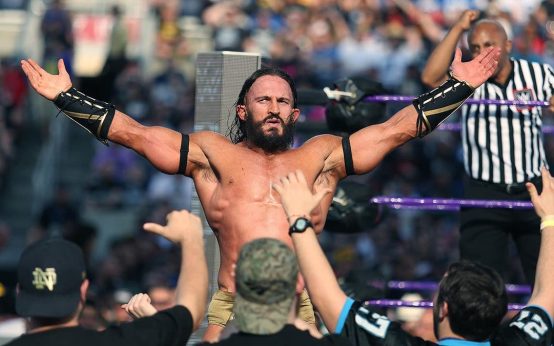 Pro Wrestling Star Benjamin Satterley, Known as Pac, Passes Away at 40