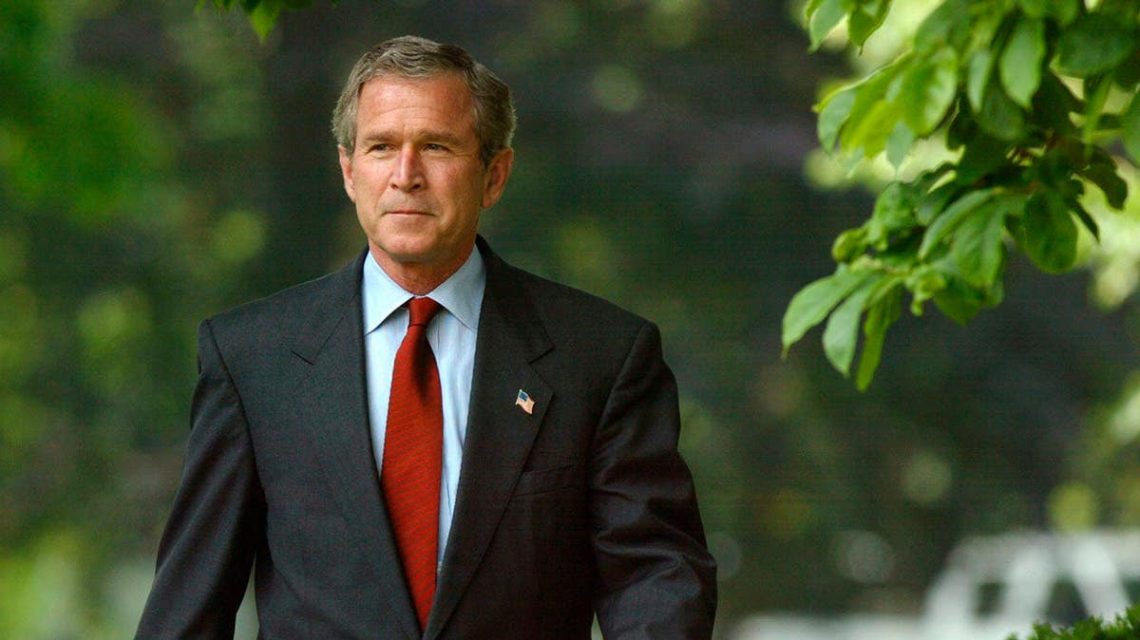
As the 2026 midterm elections approach, Republicans face significant obstacles. The outcomes may depend on who manages to control the narrative. Historically, Republicans struggled with this during the 2006 midterms when the Iraq War dominated the discourse.
In the aftermath of the 2004 presidential election, Republicans held 232 House seats compared to 202 for Democrats. However, the 2006 elections reversed these numbers, with Democrats securing 233 seats against 202 for Republicans and capturing the lone independent seat.
Despite a growing economy at a rate of 3% and the addition of 1.8 million new jobs in 2006, Republicans suffered a dramatic loss. Their failure to manage the narrative and present a coherent plan for the future played a considerable role.
The Dominant Issue: Iraq War
The Iraq War overshadowed economic concerns during the 2006 campaign. Public fatigue with the conflict was evident, as exit polls showed 56% of Americans disapproved of it. President George W. Bush’s approval ratings were tied closely to the war, reflecting similar disapproval numbers.
Additional factors included the late-breaking Mark Foley scandal involving a Republican congressman. These incidents swayed independent voters to favor Democrats, with 57% voting for them compared to 39% for Republicans— a shift from the slight Republican advantage seen in the 2004 elections.
Comparing Historical Contexts
Although the Iraq War did not lead to substantial hardships like Vietnam, Korea, or the world wars, it was a Middle East conflict far from the American homeland. Gas prices rose, a familiar scenario, though they were falling by the election period.
To provide perspective, by the 2006 midterms, American casualties from the Iraq War were substantially lower compared to Vietnam. While all troop deaths are tragic, comparing these numbers highlights differences in public perception and war severity.
Lessons from 2006
The Republican failure to provide a forward-looking plan contributed to their loss. Elections focus on the future, regardless of past achievements.
In 2006, Republicans failed to present a strong plan. They relied on their financial advantage, past achievements, and voter mobilization strategies. Missteps led to Democrats controlling the narrative.
2026 Midterm Comparisons
Fast-forward to today, the comparisons between 2006 and 2026 are evident. Once again, Americans are engaged in a Middle East conflict. Both instances experienced public fatigue, although the Iraq War lasted nearly three years compared to six months in 2026. Gas prices rose both times.
Today’s economy showcases positive indicators: record-low poverty rates, a manufacturing surge, strong consumer spending, higher wages surpassing inflation, and a thriving stock market. However, many remain unaware due to media polarization. Additionally, Republicans lack a clear plan for 2027.
Strategic Suggestions
Republicans have criticized Democrats’ policies but lack a forward-looking plan.
They need to offer concrete proposals such as reducing federal taxes for homeowners, preserving Social Security by eliminating fraud, and ensuring safety in the face of advancing AI technology.
Republicans face a critical choice. They must provide appealing solutions to voters to control the narrative effectively.
Thomas G. Del Beccaro is the author and a political commentator who previously ran against Kamala Harris in the 2016 U.S. Senate race in California.
 Faith and Politics: Democratic Candidates Embrace Religion in Congressional Campaigns
  Bobby Pulido: A Latin Grammy Winner in Congress?
  Illinois Struggles with Immigration Enforcement Post-Operation Midway Blitz
  Confronting the Challenges of Far-Right Fame
  Challenges Facing Prince Harry and Meghan Markle’s Return to the U.K.
  Trump’s Declining Approval in the Midwest and Its Impact on Senate Races