Understanding Credit Card Minimum Payments
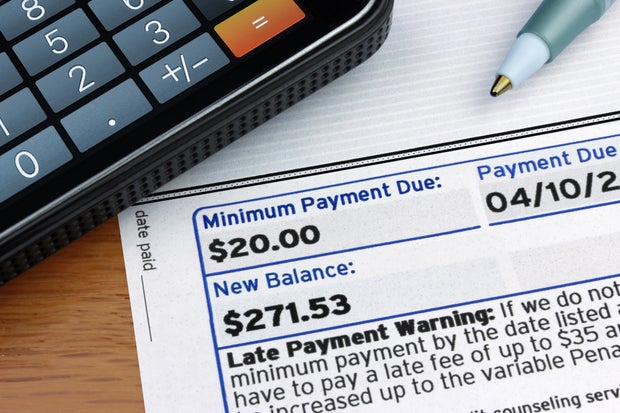
Handling credit card payments wisely can ease financial strains. The minimum payment allows you to keep your account active by paying a small fraction of the balance. However, balancing this with other necessities can be challenging, particularly as credit card balances rise and interest rates climb.
Failing to pay the full minimum can create a larger financial issue, as this debt becomes expensive with high interest rates.
Impact of Paying Less Than the Minimum
To consider a payment on time, at least the minimum amount must be paid by the deadline. Paying less than required results in a late payment, accompanied by a late fee.
For example, paying $190 towards a $200 minimum doesn’t fulfill the payment obligation. Interest continues to accrue on the unpaid balance, and a late fee adds to the debt. Missing the required minimum can cause loss of promotional APR or trigger a penalty APR on new purchases.
Credit scores could suffer if an account is unpaid long enough to be 30 days past due. Partial payments don’t stop this process. To clear delinquency, it’s necessary to comply with the issuer’s terms.
Frequent missed payments lead to account closure, charge-offs, or collections activities. Partial payments can slightly lower a balance but don’t count as meeting the required minimum payment.
Addressing Affordability Issues
If paying less than the minimum becomes regular, dealing with the affordability issue is paramount. One option is to reach out to the card issuer early. Many offer hardship programs to reduce interest rates or monthly payments.
If the problem extends across multiple credit cards, or is long-term, explore debt relief. A debt consolidation loan can combine card balances into one payment, potentially at lower interest.
Debt management plans through credit counseling provide another avenue to restructure payments. Debt settlement is an option for serious financial hardship, though it has credit consequences.
Acting quickly can provide more options; delaying exacerbates the situation with larger balances and fewer solutions.
Conclusion
Partial credit card payments may decrease the balance, but won’t satisfy the required minimum. Missing the full minimum leads to late fees and credit score damage. Contact issuers promptly for hardship options, or explore debt relief strategies to address underlying debt issues.