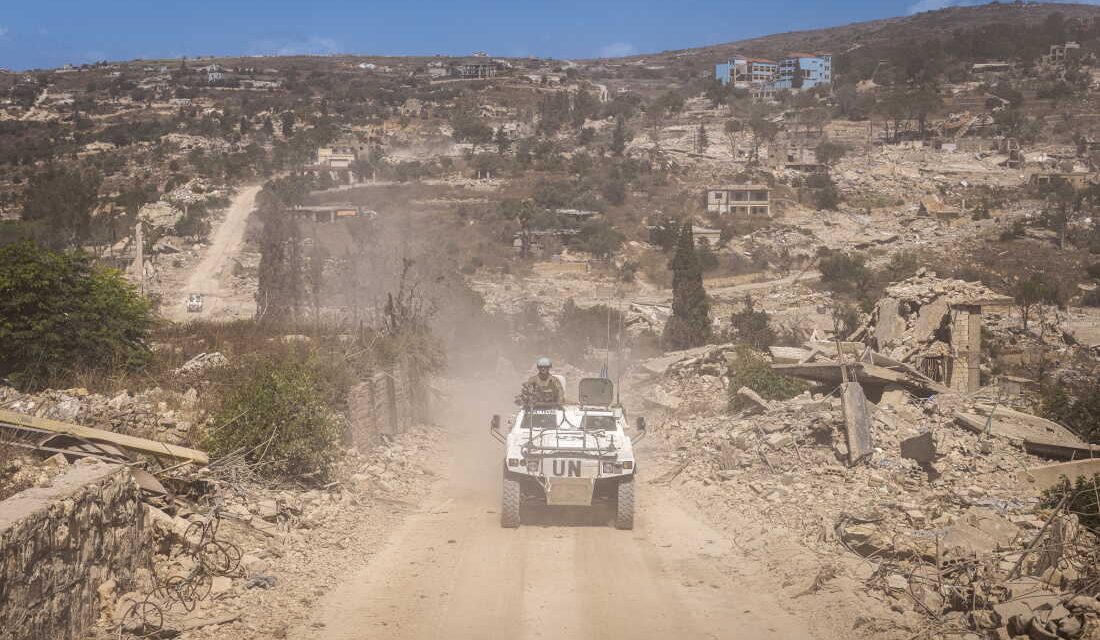
French UNIFIL peacekeepers conduct patrols beyond the ‘yellow line’ in southern Lebanon, passing through the devastated towns of Houla, Kfar Kila, and Odaisseh. This line marks the boundary of Israeli occupation forces. Israel has established a restricted buffer zone following a ceasefire brokered by the U.S. earlier this year.
The U.N. peacekeepers, in an armored vehicle, proceed slowly along the de facto border. The challenge lies not in terrain or threat of attacks but in navigating a landscape reshaped by conflict. UNIFIL, the United Nations Interim Force in Lebanon, has overseen this region since 1978, initially created to verify Israel’s troop withdrawal after its first occupation of Lebanon.
In recent years, UNIFIL’s role expanded to monitoring the ceasefire between Israel and Hezbollah, the latter established in 1982 to oppose a second Israeli invasion. Although the mandate ends this year due to U.S. and Israeli opposition, lasting peace remains elusive. The conflict has resulted in over 4,300 Lebanese casualties and displaced more than 1.2 million, altering southern Lebanon’s geography.
Since March, Hezbollah’s rocket attacks have resulted in 39 Israeli soldiers, a contractor, and two civilian deaths, with seven UNIFIL peacekeepers also lost. The ‘blue line,’ marked by barriers, was defined for another Israeli withdrawal in 2000. Though it serves as a de facto border, it no longer reflects current realities on the ground.
French peacekeepers monitor a military post captured by the Israeli army. Israel’s buffer zone beyond the ‘yellow line’ adds to the memory of the 18-year occupation that concluded in 2000. Lebanese civilians are banned from the zone covering around 6% of Lebanon’s territory, restricting access to their own land.
In Kfar Kila, graffiti at the Fatima Gate is crossed out. This landmark denotes a former border crossing, closed by Israel post-withdrawal in 2000. A view of Houla reveals roads reduced to rough tracks and homes demolished. The site of a 1948 massacre, where Israeli forces killed many Lebanese civilians, Houla bears historical scars.
Months of bombardment have blurred boundaries, creating new control lines, disrupting normal life. UNIFIL recently reopened parts of its eastern sector that Israel restricted. Sgt. Audric from the French battalion mentions this as an opportunity to regain movement freedom post-ceasefire.
However, challenges remain in implementing U.N. Security Council Resolution 1701, adopted in 2006 to end conflict with Hezbollah and shape southern Lebanon’s security. As UNIFIL’s presence nears conclusion, southern Lebanon’s future security remains uncertain.
Spanish peacekeepers assist through Civil-Military Cooperation (CIMIC) initiatives like a medical clinic in Mari, aiding vulnerable locals. Israel’s buffer zone, the ‘yellow line,’ intended to prevent Hezbollah attacks, disrupts Lebanese access to land and demolishes infrastructure.
Lt. Col. Sebastián Dorado Santos, UNIFIL’s Spanish officer, notes how the line disrupts everyday activities, particularly during harvest season. Civilians are separated from their land and fields, with roads degraded by tank passage. Israeli flags mark ruins and personal belongings left by Christian residents.
Spanish peacekeepers patrol Ibel al-Saqi, while Spanish Armed Forces, present since 2006, engage with local communities through various initiatives. These efforts aim to strengthen ties in areas affected by conflict.
Essential supplies reach isolated Christian villages near the destroyed areas. Father Hani Tawk, coordinating Catholic organizations, highlights the symbolic presence of aid, giving hope amid occupation, limited state presence, and border control.
The need for agricultural access remains critical for local development, voices Mari’s mayor Salman Abou al-Ola. Restrictions hamper access to farmland and affect community services. UNIFIL resumes medical assistance where access is restricted, supporting residents like Fayez Al Khaled, a Syrian being treated by Spanish doctors.
Accusations of Israel’s deliberate wildfires worsen living conditions, with official silence from the Israeli military on such charges. Maj. Jesús Fernández Manchado explains how the ‘yellow line’ affects daily activities, emphasizing civilians’ separation from land and military challenges.
A pilot project introduces ‘pilot zones’ where forces withdraw, allowing Lebanese armed forces to secure territory. A scarred home in Zawtar al-Gharbieh indicates continued reshaping. Returnees to Zawtar face devastation without basic utilities amid continued conflict.
Lebanese Army soldiers oversee resettlements in Zawtar al-Gharbieh. Returning residents find an occupied, ravaged landscape. Major damage, restricted zones, and airstrikes signal an unresolved conflict. New realities on the ground contrast the static map, marking a transformed borderland.
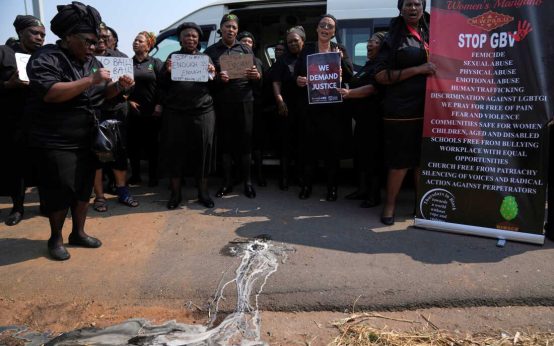 Rising Concern Over Gender-Based Violence in South Africa
 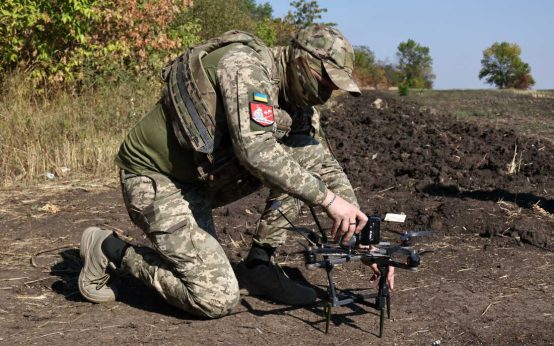 Ukraine Launches Massive Drone Attack on Moscow Amid Elections
  Ovechkin’s Political Controversy Amid Russian Elections
 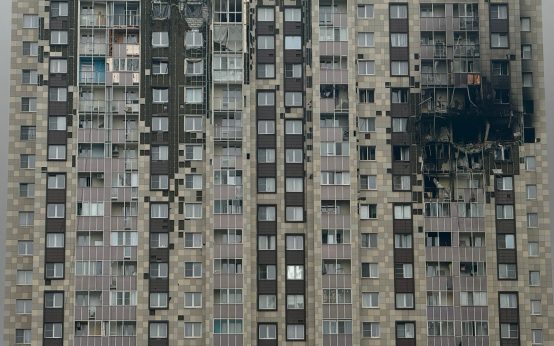 Ukraine’s Major Drone Attack Intensifies Moscow Conflict
  AI Talent and Geopolitical Challenges Between the U.S. and China
  Greenland’s Deal and Sovereignty Concerns