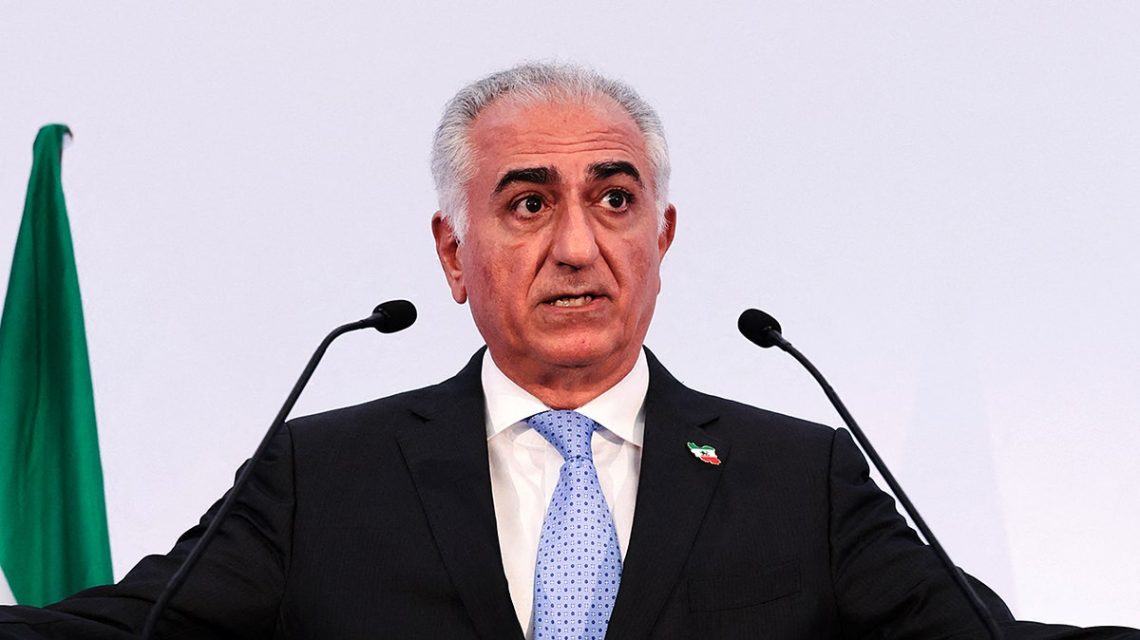
Six months into the conflict, the primary focus regarding Iran has shifted away from military capabilities such as its missile arsenal or the IRGC’s influence in the Strait of Hormuz. The core question is now about political power: who truly governs Iran? Is it Mojtaba Khamenei, the enigmatic leader at the system’s peak, or perhaps the IRGC with its growing military, intelligence, and economic influence?
Iran’s government increasingly looks like a militarized dictatorship rather than a Shiite theocracy. The clerical establishment appears to offer ideological justification for those wielding power. In 1979, the Islamic Republic promised salvation but delivered control and coercion. Political Islam morphed into state control, with terrorism and proxy warfare serving as foreign policy tools. Over the years, Tehran built transnational terrorist networks while stifling domestic political freedoms.
Iran’s Internal Struggles
The regime, once eager to export its revolution, is now focused on survival. War aids this by turning dissent into treason, making criticism akin to collaboration, and equating repression with patriotism. Washington needs to reject the regime’s narrative that equates Iran with the Islamic Republic. This distinction becomes crucial as economic pressures mount. The regime’s financial resilience is not solely an outcome of sanctions but a consequence of corruption, decay, and misallocated resources.
The regime faces political and psychological strains due to societal demands for modernization versus a ruling establishment clinging to past fears and obsessions. The potential for another uprising remains. Although public demonstrations have quieted, the grievances persist. The regime has managed to suppress public anger but hasn’t addressed its root causes. Silence, in this context, should not be mistaken for acceptance.
Possibilities for Transition
The fall of a dictatorship and the advent of democracy are separate processes. Iran’s future political arrangement should result from Iranian choice at the ballot box. It should not be influenced by external powers like Washington, Jerusalem, or Beijing. Different opposition factions differently impact politics. Crown Prince Reza Pahlavi, advocating for secular government and democratic transition, holds a unique position due to his visibility. However, Iranians should decide the country’s future regime, whether a republic or constitutional monarchy.
The collapse of the Islamic Republic may not erase damaging ideologies. Democracy requires citizenship over ideology and national unity above factional disputes. Iran faces challenges transitioning peacefully since the regime spent decades dismantling necessary institutions.
Washington’s approach to Iran deserves attention. Past administrations alternated between confrontation and negotiations, wrongly equating short-term deals with strategic change. Tehran has honed techniques to negotiate in one setting while leveraging pressure elsewhere. Negotiating Iran’s tactics may change, but its survival methods remain consistent.
Understanding Iran’s Future
Iran’s future must be determined by Iranians themselves, not external forces. American policymakers should distinguish democratic nationalism from other movements. Any policy or strategy targeting Iran should consider how to engage credible democratic actors before any transitional situation arises.
China’s role underscores a paradox. It calls for stability in Middle Eastern waters due to economic interests but avoids confronting threats stemming from close ties with Tehran. This highlights a policy that doesn’t confront underlying issues, merely managing symptoms.
The war isn’t separate from crises like the Strait of Hormuz or regional sanctions. They all stem from the revolutionary tidal wave that began in 1979. The West has dealt with outcomes without addressing the strategic root causes. Current discussions now revolve not just around how the conflict concludes but what might commence afterward. Serious consideration should be given to Iran’s potential beyond the Islamic Republic, with attention to ensuring Tehran’s future aligns with its citizens’ aspirations.
 UN General Assembly: Global Leaders Seek Influence Amid International Conflicts
  US Embassies Warn Americans After Houthi Missile Attack
 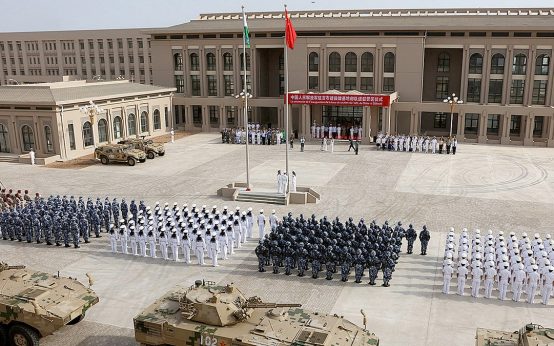 China’s Surveillance Expansion in Djibouti Sparks Concerns
 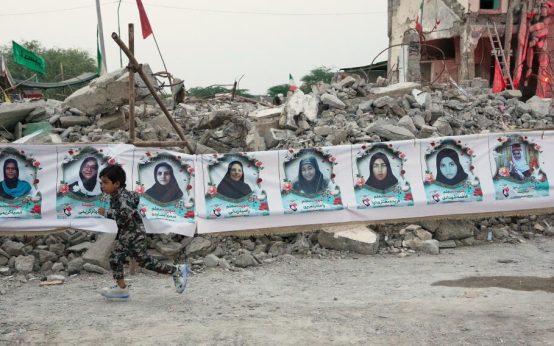 Pentagon Investigation Reveals U.S. Responsibility in Deadly Iranian School Strike
  Ten Lions Found Dead in Suspected Poisoning at Ngorongoro Conservation Area
  Prince Harry’s U.K. Return Amidst Family Drama and Charity Engagements