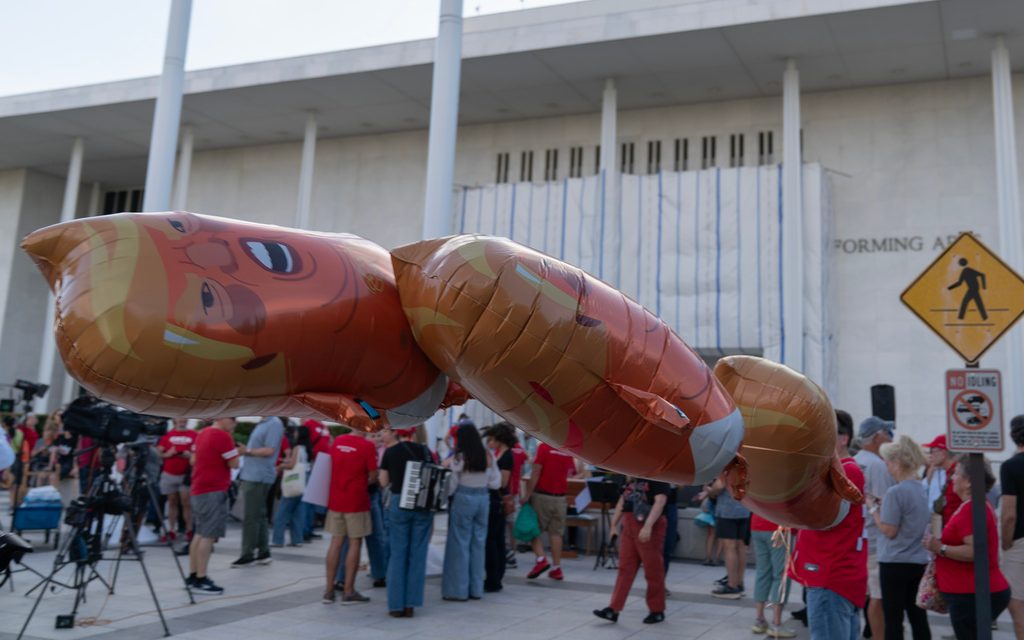
September 18, 2026, marked a significant day in Washington, where individuals gathered to protest against the looming threat to the John F. Kennedy Center for the Performing Arts. The rally symbolized growing discontent with Donald Trump’s administration.
Many have grappled with the policies and actions undertaken by Trump, each new controversy overshadowing the previous. A few notable instances include proposals such as dismantling the East Wing of the White House and waging an unwinnable conflict with Iran. Policies like downsizing Big Ears National Monument by 90% and transforming Washington’s Hains Point into a premium golf course further fueled the frustrations. Additional actions, such as the dismissal of the Librarian of Congress and criticizing the Smithsonian’s focus on slavery, solidified his controversial standing. Trump’s financial gains from his presidency, reported at $2.2 billion in 2025, raised questions about ethics. His decision to ban media outlets like CNN, MSN, and Politico from the White House underscored his turbulent relationship with the press.
No event compares to Trump’s alleged vendetta against the Kennedy Center. He is said to have threatened drastic actions to shut down or demolish the institution if his name isn’t associated with it. The Kennedy Center represents cultural significance much like France’s Eiffel Tower or India’s Taj Mahal. Trump’s demand to rename it lacks justification — he hasn’t notably contributed to the arts, apart from his involvement with the Miss Universe pageant.
As President, Trump reportedly visited the Kennedy Center just once during his first term. He skipped the Kennedy Center Honors in multiple years leading up to 2020, when COVID-19 postponed the event.
In 2025, after his controversial removal of the East Wing, Trump became infamously fixated on the Kennedy Center, as noted by journalist Robin Givhan. He replaced the board with loyal supporters, making himself chairman. Richard Grenell took charge, allegedly removing original artworks for Trump’s selections. Consequently, performers withdrew, ticket sales plunged, and the Center faced financial hardship.
The Kennedy Center audience dwindled; once-brilliant performances struggled to find attendance. Despite legal directives to eliminate Trump’s name from the facade, remnants, such as an unsightly tarp, remained. Severe weather soon led to structural damage, and the board cited safety concerns. Renovation was contingent on legal permission to rename the venue after Trump. Ultimately, Trump ordered its shutdown, citing the judiciary’s refusal.
The possible closure of the Kennedy Center represents not only a cultural void for Washington residents but a broader injury to bipartisan cooperation. Originally proposed by Republican President Dwight Eisenhower and embraced by Democrat John F. Kennedy, the institution is a testament to unity and American values, serving as a commemorative tribute after Kennedy’s assassination.
John F. Kennedy’s vision of America, one embracing elegance, resides within the Center’s legacy. George Stevens Jr., co-creator of the Kennedy Center Honors, expressed mourning for its potential loss, viewing it as a pillar of cultural diplomacy and beauty.
 Senator Warren Seeks to Restrict Private Equity in Restaurant Chains
 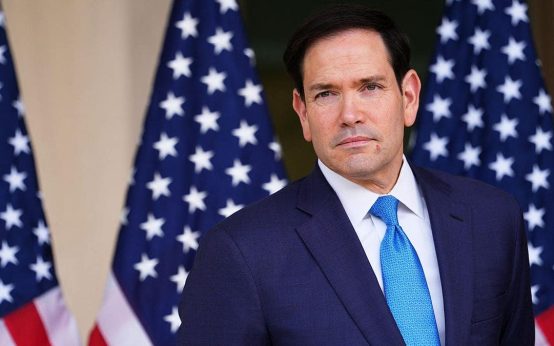 Marco Rubio’s Expanding Role in Trump Administration
 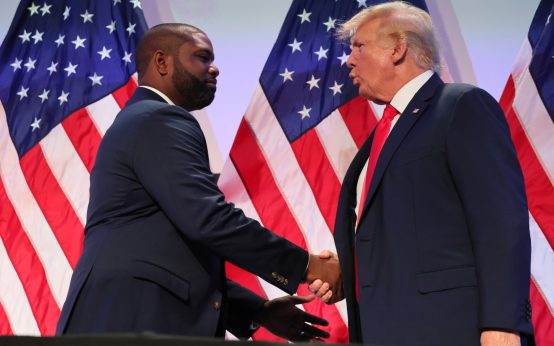 Byron Donalds Adjusts Campaign Strategy as Florida Governor Race Intensifies
 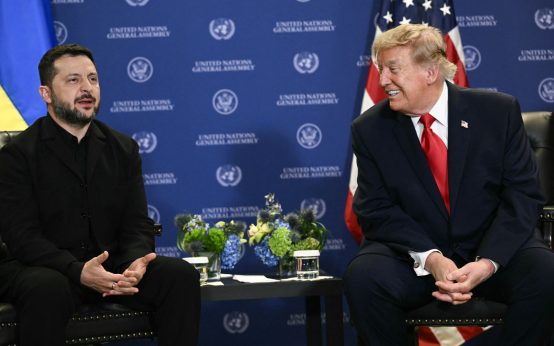 Trump’s Engagements at the UN: Focus on Ukraine and White House Developments
 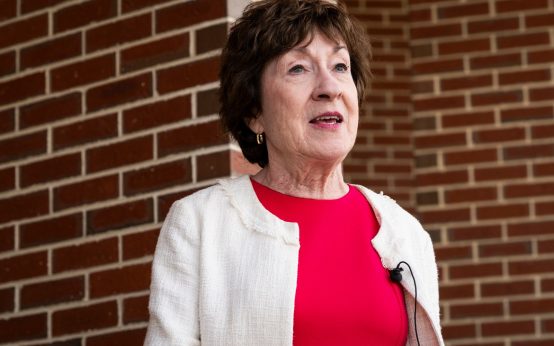 Collins Faces Scrutiny in Tight Maine Senate Race Amid Donor Allegations
 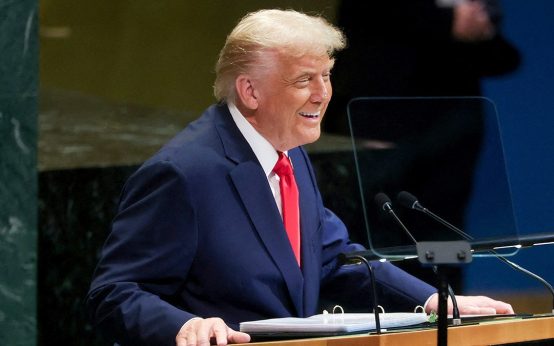 Trump’s Vision for Global Security: Iran, AI, and the Role of the U.S.