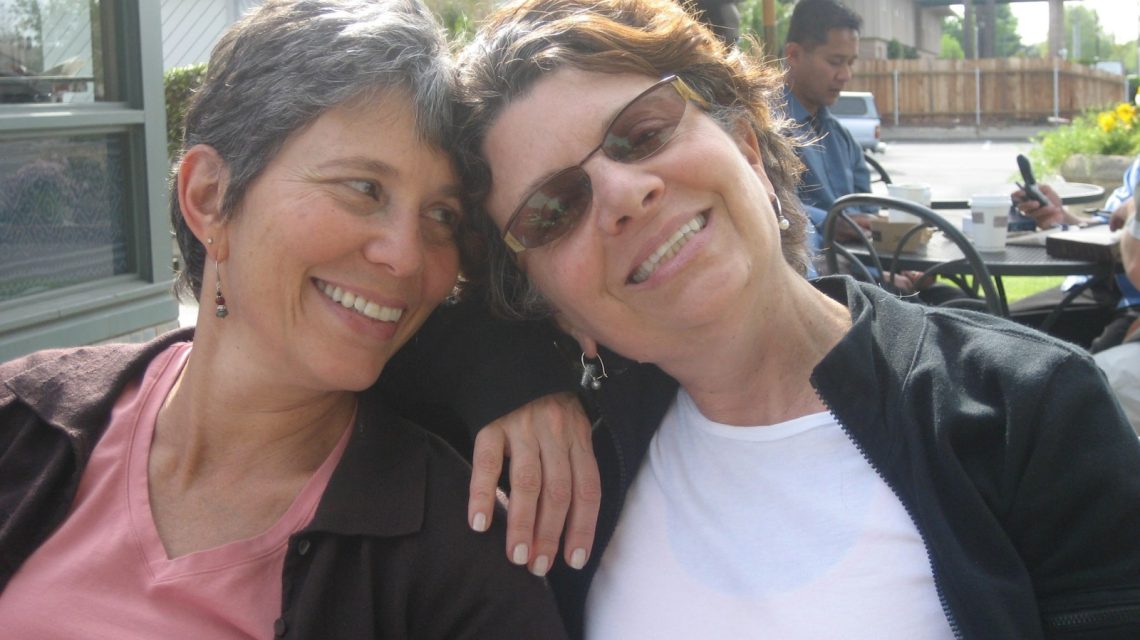
When I encouraged my memoir students to explore a time when one experience was not enough, I could not help but reflect on my own life. What event marked my ‘not enough’? Hiking in the Swiss Alps at 18? Navigating the clear waters of Alaska? Enjoying steak frites at a hidden Parisian cafe? Uninvited, my mind drifted to cancer, a diagnosis that I have faced twice.
In 2004, my internist detected a concerning nodule on my thyroid, leading to an early-stage thyroid cancer diagnosis. The surgeon, in an attempt to soothe, remarked, “If I had to have cancer, this is the one I’d choose.” It felt dismissive, like comparing cancer to a delectable treat in a bakery. However, papillary carcinoma offered a 99% cure rate. My thyroid was surgically removed, and I began thyroid hormone replacement therapy. A year later, I underwent a round of radioactive iodine followed by a week of isolation. This left me feeling isolated and overwhelmed with menopausal symptoms. Despite these challenges, my cancer had a high cure rate. My main focus became managing my thyroid levels daily.
Seventeen uneventful years passed before I faced another cancer diagnosis. This time, it was a more serious but treatable form, detected early. Surgery offered a cure, and although I lost both my thyroid and uterus along the way, I continue life with the help of medications. The constant vigilance required to suppress the fear of cancer’s return is challenging. Cancer remains a shadowy threat, often likened to an unpredictable written warning.
In 1971, Richard Nixon initiated a national commitment against cancer, likening it to the Apollo moon project. At the time, I paid little attention, as cancer seemed distant. Five years later, I witnessed my grandfather succumb to lung cancer, yet youthful optimism shielded me from personal concerns.
After my second diagnosis, my sister suggested abandoning the dated war metaphor for cancer, advocating instead for a more compassionate approach. This outlook clashed with what my oncologist had been taught: to despise the cancer more than love the patient. Does love or hate hold more power in confronting cancer?
Susan Sontag, who survived two cancers before succumbing to complications from a third, warned against the metaphors surrounding cancer in her book, ‘Illness as Metaphor’. She opposed the stigma that illness indicates moral failure or emotional repression. Cancer, in its essence, involves the uncontrolled division of abnormal cells, devoid of metaphorical weight.
I question my risk factors. Since hearing Martha Graham in my college years advise, “Your body is a temple. Do not take it for granted,” I have embraced a healthy lifestyle. Despite this, cancerous cells have caused irreversible losses, leading to nightly fears of intrusion and loss.
Constructing a new narrative around cancer seemed vital. A 2020 article in Scientific American suggested reframing the perception of cancer to avoid the ‘battle’ narrative that can harm patients and caregivers. Yet, what is cancer if not a challenge to overcome?
My sister urges me to explore inner language for stability. While uncovering my own layers of sorrow and loss may take time, I long for years to live, love, and heal, free from the confines of dated metaphors. Despite Nixon’s ambitious goal, cancer remains a leading cause of death in the United States. The metaphorical war against cancer has not dispelled its lingering fear.
Following my surgery, an emotionless oncologist informed me of a 2% recurrence risk, with potential fatal consequences. Facing cancer once was ample experience, yet encountering it twice has taught me to focus on embracing life in the present moment—shifting from battling to living.
Megan Vered, a Berkeley, California native, shares personal essays in platforms like HuffPost and Kveller. All views in this article reflect her perspective.
 Impact of Sleep Types on Disease Risk
  The War on Poverty: A Lesson on Intentions and Outcomes
  Florida Reports First Dengue Fever Death as Outbreak Expands
  Florida Man Claims ‘Lion Diet’ Transformed Health and Life
  Concerns Over Food Safety and Its Impact on Families
  A Mother’s Tragic Journey Under Abortion Ban