Every two years in Washington, a familiar pattern repeats. The party not in power senses an opportunity and anticipates victory. Yet, despite this predictable cycle, the underlying factors are more complex. The crucial aspect for 2026 lies not in electoral numbers, but in what the winning party plans to achieve if they gain control.
Historically, in 18 out of the last 20 midterm elections, the president’s party has lost seats in the U.S. House of Representatives. This is known as the ‘thermostat effect.’ When one party controls the government, voters tend to seek balance by supporting the opposite side, often regardless of performance.
Voter turnout adds another challenge for the party in power. Those who have secured wins may become comfortable, while the opposition’s dissatisfaction drives them to the polls. While presidential elections present a choice between two visions, midterms typically reflect judgment on the current administration.
House control could hinge on whether old political rules still apply.
This year, Republicans face a particularly tough challenge as they defend a narrow majority. Democrats need a net gain of only five seats to recapture control. With Republican approval ratings below 45% throughout much of the year, they find themselves in a situation where the president’s party historically fares poorly.
Simultaneously, the political climate presents unprecedented challenges. Analysts find it difficult to apply previous insights to current conditions. President Donald Trump serves as an anomaly, being only the second president in American history with nonconsecutive terms, following Grover Cleveland.
During Cleveland’s similar second tenure, his Democratic Party suffered significant losses, including approximately 116 House seats in 1894 amid a severe depression.
Electoral dynamics look better for Republicans today. The electoral map saw significant changes this cycle. Texas added five safe Republican seats. California proposed a map favoring Democrats.
Fox News power rankings: Democrats lead in the House, but redistricting keeps the GOP in the game.
Elsewhere, results were mixed. States like Missouri, Ohio, North Carolina, and Indiana leaned right. However, Utah’s newly ordered map favored Democrats, while Virginia’s proposed gerrymandering was overturned entirely. The Supreme Court’s choices left the maps for Texas and California unchanged, balancing out major shifts, resulting in a slightly Republican-leaning landscape. Current models modestly predict Democratic leanings, yet victory is uncertain.
The main issue facing voters is understanding the Democratic platform. Campaigns focus on affordability, groceries, rent, and healthcare due to their importance and popularity. However, Democrats’ governing records often reveal a disconnect from these core issues.
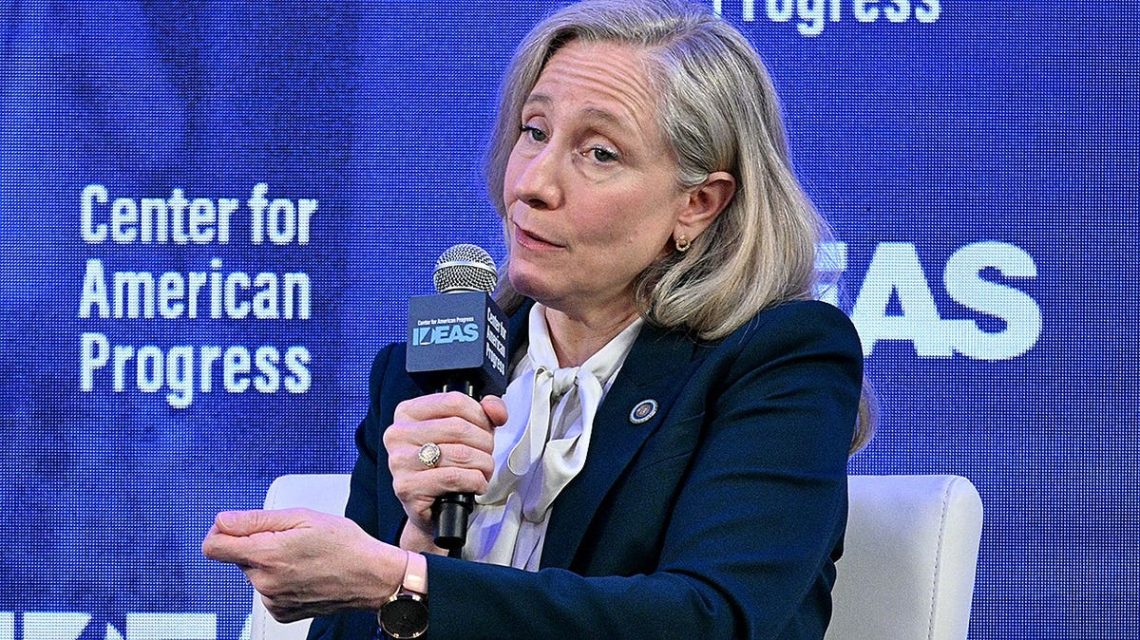
Virginia Democrat Gov. Abigail Spanberger illustrates this dynamic. Though she campaigned as an ‘affordability governor’ with a promise of fair redistricting, her actions differed, supporting a gerrymander blocked by her state’s Supreme Court. Furthermore, new rifle bans she endorsed await further legal evaluation before potential enactment.
Michigan’s Abdul El-Sayed, in his Senate campaign, highlights another debate, promoting Medicare for All. Criticized for potentially increasing taxes on earners under $1 million, he justified the cost as worthwhile. These examples reflect a gap between Democratic campaign messages and policy outcomes.
Redistricting gives Republicans an edge, but affordability will decide the midterms.
Despite slight Republican numeric advantage, documented plans from House Democrats through outlets like CNBC, Fox News, and CNN indicate investigations into President Trump, his Cabinet, and family are the true focus, not direct economic relief for citizens.
Traditionally, midterms favor the party not in power. Historical patterns predict success for such a party. Yet, plans for governance will shape what follows. Democrats have revealed their strategy. Voters should consider these dynamics closely.
Matt Schuck, as an executive vice president at Tholos Government Relations and former senior House aide, contributes insights from his extensive experience.
 The Cost of Challenging Beijing
 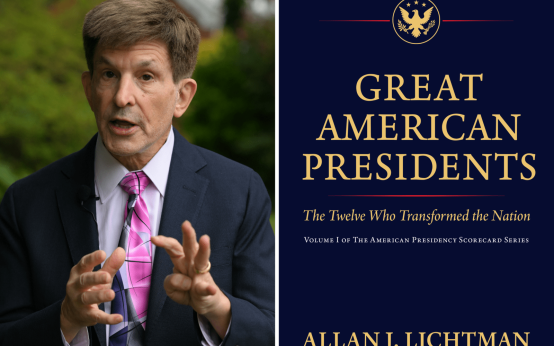 Allan Lichtman’s Framework for Assessing Presidential Greatness
 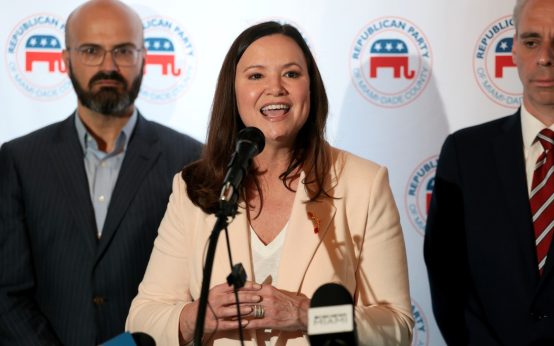 Florida Senate Race Tightens as Recent Polls Show Dead Heat
 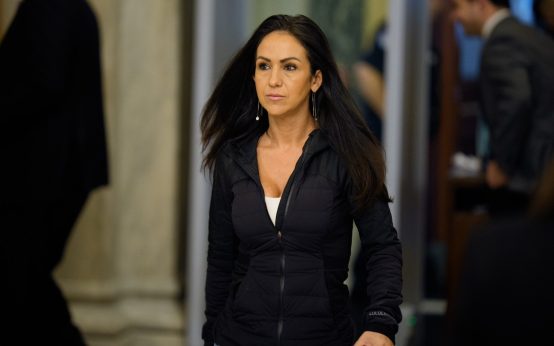 Ethics Complaint Targets Colorado Representative Lauren Boebert
 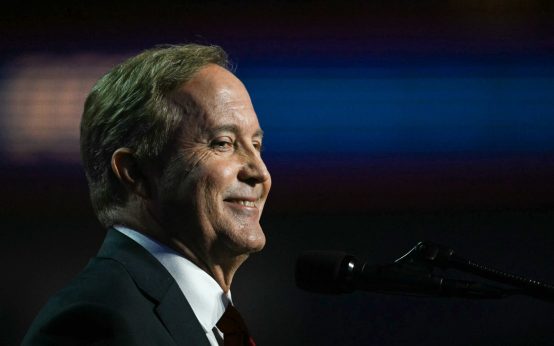 Ken Paxton’s Campaign Funding and Polls
  Inside the Secret Deals Powering the President’s Push to Deport Migrants to Countries Not Their Own