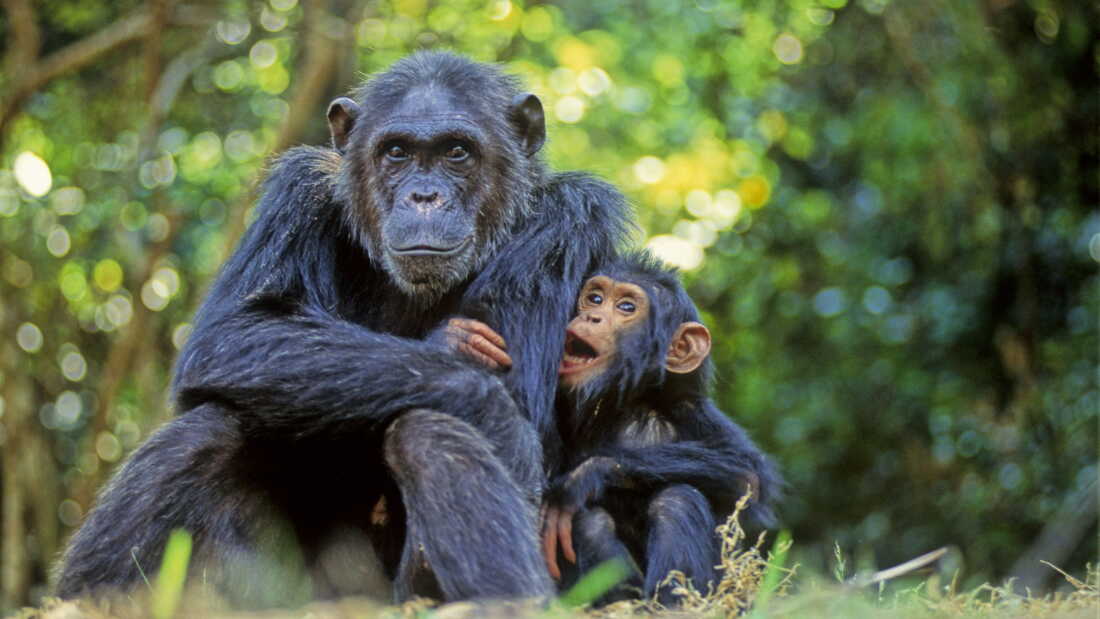
In Gombe Stream National Park, Tanzania, a mother chimpanzee and her child provide a glimpse into animal behavior. Chimps were among the first animals observed by Western scientists self-medicating in the 1980s. This discovery was a significant step in understanding that medication-seeking is not unique to humans.
For many years, researchers believed that only humans used treatments to heal. This belief changed when studies showed that numerous animals engage in self-medication. Starting in the late 1980s, Western scientists began exploring this behavior more deeply.
Scientists hope that by studying how animals use natural remedies, new avenues in human medicine may open. There is potential in exploring the ‘medical cabinets’ of animals to find beneficial treatments.
The topic is discussed by freelance science journalist Mandy Nguyen, highlighting the potential advancements in medicine that could stem from these studies.
For those interested in further animal stories, NPR invites emails with ideas and questions to [email protected] as possible future episode topics. Support public media through NPR+ and enjoy benefits like sponsor-free podcast episodes. More information is available at plus.npr.org.
Short Wave is accessible on both Spotify and Apple Podcasts. This episode featured production by Hannah Chinn, with editing by Hannah and Rebecca Ramirez. Tyler Jones ensured the accuracy of the content, and Jimmy Keeley provided audio engineering.
 Carlo Rovelli’s Perspective on Physics and Ultimate Reality
 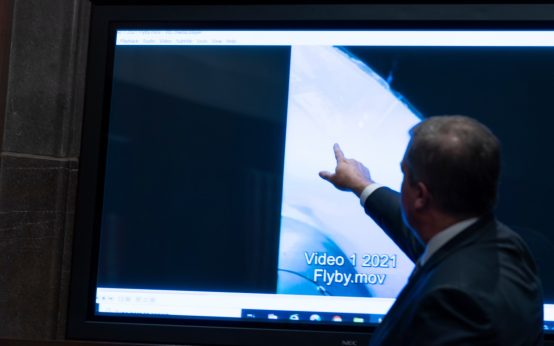 Department of Defense Legal Waiver Promotes UAP Disclosure
  Ancient Ring Offers New Insight on Pontius Pilate’s Authority
 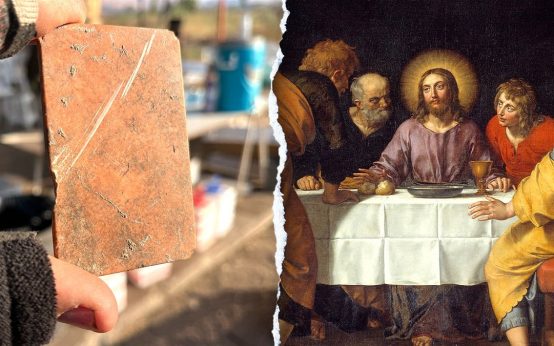 Lost City Linked to Jesus Discovered Near the Sea of Galilee
  Genetic Study Links Personality Traits to Health Outcomes and Life Patterns
 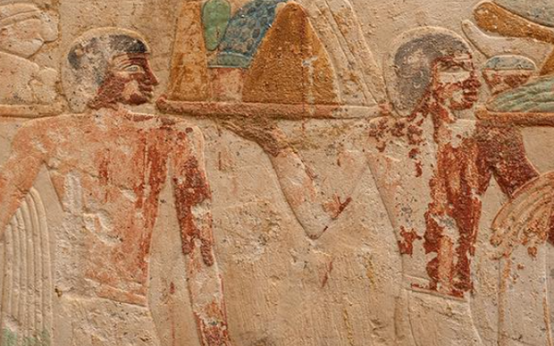 Archaeological Discovery of Ancient Tomb Near Cairo