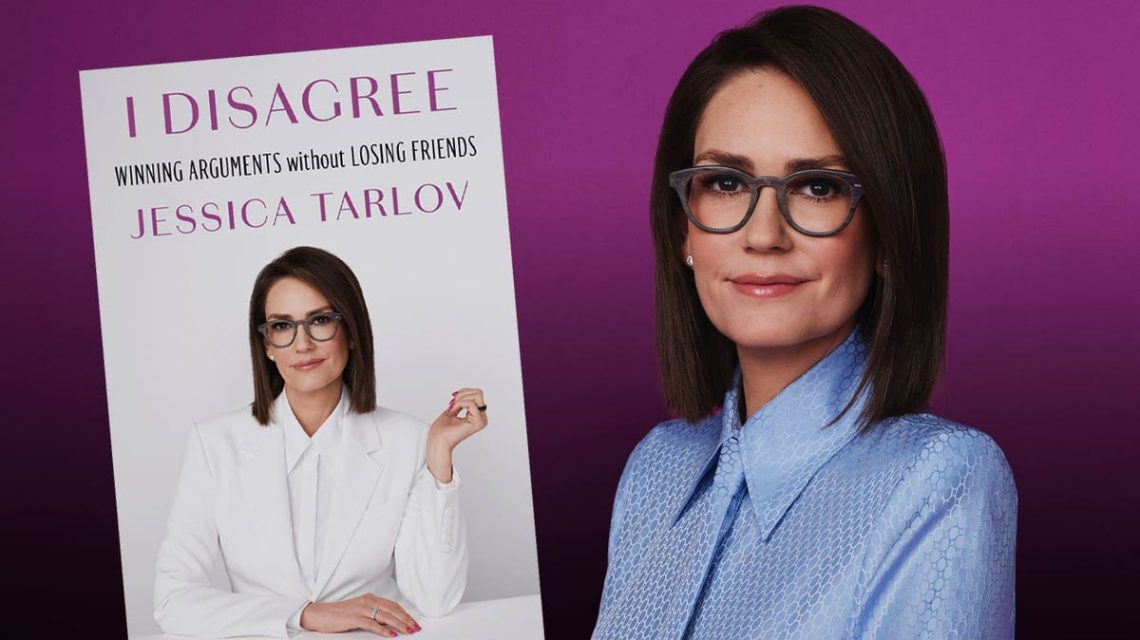
As the countdown to election night draws near, the anticipation heightens. On Fox News Channel’s ‘The Five,’ where I often present my perspective as a Democrat, I look forward to potential Democratic gains. Recent polls suggest a favorable outcome, with a chance to flip the House and perhaps the Senate. However, past disappointments temper my celebrations until all votes are confirmed.
Despite my Democratic alignment, disagreements arise when extremes surface. For example, I openly disagree with far-left Twitch streamer Hasan Piker’s unwavering views on Marxism and China. Similarly, reflecting on the past offers clarity.
“Fox News Channel consistently leads NBC, ABC, and CBS in key ratings for the second consecutive summer.”
Two major events in recent years shifted my perspective. Initially, during the COVID-19 pandemic, I held trust in Dr. Anthony Fauci’s efforts. However, I later realized that prolonged mask mandates overstepped bounds. During an interview with my conservative co-host, Greg Gutfeld, on my podcast ‘Raging Moderates,’ it became clear why such mandates were contentious—they felt overly authoritative.
The second instance came in 2019, involving actor Jussie Smollett’s false hate crime claims in Chicago. Initially, I defended him amidst widespread skepticism. However, the truth revealed my bias-driven judgment.
“A deeper acceptance of our errors is needed to foster stronger connections and dialogues.”
Understanding human nature helps navigate disagreements. In my book ‘I Disagree,’ I explore the complexities of conversation. Data and science enlighten us about motivated reasoning—our tendency to favor evidence that supports beliefs. This cognitive armor shields us from reality, often unconsciously, causing discomfort when challenged.
Studies from the University of Southern California highlight parallels between processing contradictory information and physical pain. In today’s world, sifting through social media misinformation, fake news, and biases proves daunting.
Reflecting on the COVID-19 era, there’s a divide depicted in Ari Aster’s 2025 film ‘Eddington,’ showcasing the ideological fracture during a small-town mayoral election amidst mask mandates. While exaggerated for drama, the film captures how divide leads to civic dysfunction.
“Greg Gutfeld argues that enforced mandates felt like an infringement on personal rights, creating a societal ‘us vs. them’ mentality.”
During discussions, personal experiences, such as caring for a dying parent, clash with broader concerns over freedom. These subjective realities underscore ongoing debates: Were mandates justified, or did they unjustly impose?
Learning from the Past: Addressing Biases
Confronting biases starts with acknowledgment. The Jussie Smollett incident, where initial outrage turned to hoax revelations, illustrates the importance of challenging predispositions. The attack, seemingly violent and racially charged, unraveled under scrutiny, highlighting the danger of unchecked bias.
I now seek diverse perspectives to challenge my views, a practice vital for growth. Engaging with opposing ideas strengthens arguments, akin to rigorous exercise that requires resistance to build strength.
“Resistance is crucial in discourse—akin to an intellectual workout that tests and refines ideas.”
By embracing truth and resisting cognitive filters, we inch towards shared realities. Constructive dialogue bridges divides without sacrificing personal convictions.
Excerpt from ‘I DISAGREE: Winning Arguments Without Losing Friends’ by Jessica Tarlov. Reproduced with permission from 19 Jay LLC and Random House.
 The Impact of Arts and Closure on Democracy
 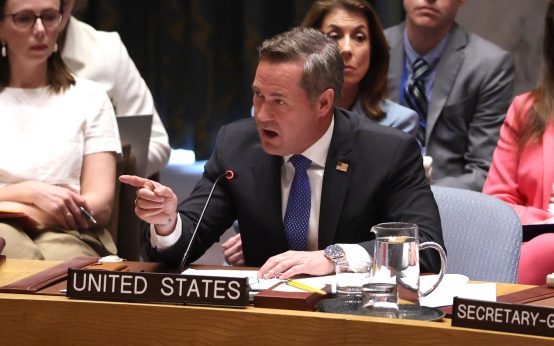 U.S. Ambassador Comments on Iran War Duration Amid Political Concerns
 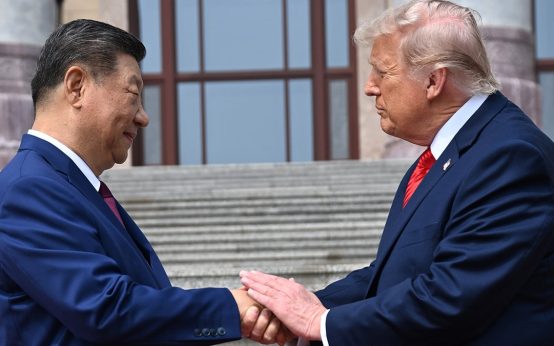 US-China Relations Under Scrutiny: Expert Warns of Escalating Tensions
  No Timeline for End of Iran Conflict
 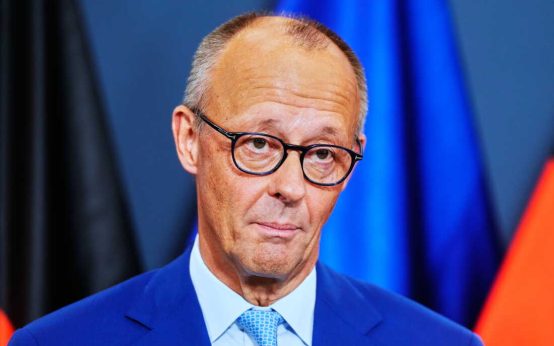 German Chancellor Merz Vows to Pursue Reforms Despite Election Setbacks
 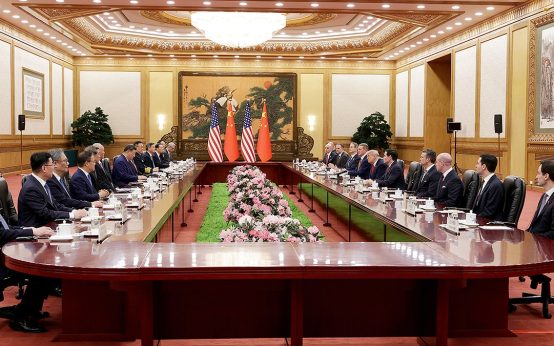 The Technology Rivalry: Trump’s Meeting with Xi and the AI Ecosystem Clash