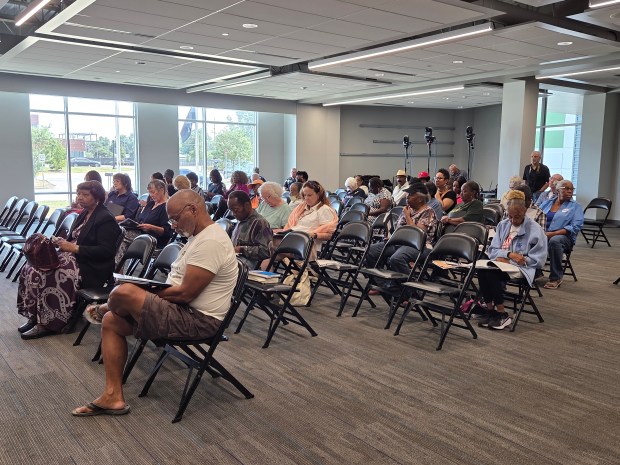
Before the August 11 derecho struck, utilities legislation was already important for the Indiana Black Legislative Caucus. Now, as communities recover and cope with power outages, the caucus aims to refine House Enrolled Act 1002. At a town hall held at the Hammond Sportsplex, the caucus committed to tackling these issues.
State Representative Cherrish Pryor, D-Indianapolis, explained that while HEA 1002 offered some advantages, it fell short of expectations. Major updates include changing budget billing to ‘levelized billing’ to clarify payments, and utilities now adjust billing twice annually. The bill also imposes a moratorium on disconnect notices in winter, extended to hot summer months due to past fatalities from heat.
Pryor noted that utilities seeking rate increases must now demonstrate performance during outages and service affordability to the Indiana Utility Regulatory Commission. During the meeting, State Senator Mark Spencer, D-Gary, gauged the power outage impact, revealing widespread disruptions. Senator Spencer highlighted ongoing investigations.
State Representative Earl Harris Jr., D-East Chicago, joined by Rep. Carolyn Jackson, D-Hammond, and moderator Taylor Hamblin, addressed local concerns. The caucus celebrated legislative achievements like Senate Enrolled Act 164, enabling urban micro farm studies, and SEA 232, restricting property purchases by City of Gary officials.
Pryor also mentioned House Bill 1114, ensuring Medicaid or HIP patients with Stage 4 cancer receive treatment. On environmental matters, Senate Bill 277, signed by Governor Mike Braun, made many Indiana Department of Environmental Management functions optional. Senator La Keisha Jackson, D-Indianapolis, criticized potential pollution increases from these changes.
Some beneficial bills failed, including ones concerning the Bureau of Motor Vehicles’ sale of license holder data and a tax deduction for surviving World War I veteran spouses. Data center studies on water use and utility regulation also did not pass, but the caucus plans future efforts.
Rep. Harris Jr. expressed hope for November elections to weaken the supermajority, improving the caucus’s legislative chances. He urged people to vote, referencing a recent Indiana Supreme Court decision where an election was decided by three votes. ‘Local offices hold significant sway over your lives,’ he emphasized, citing the court’s ruling favoring State Sen. Spencer Deery.
Michelle L. Quinn contributed this report as a freelance journalist for the Post-Tribune.
 The Cost of Challenging Beijing
 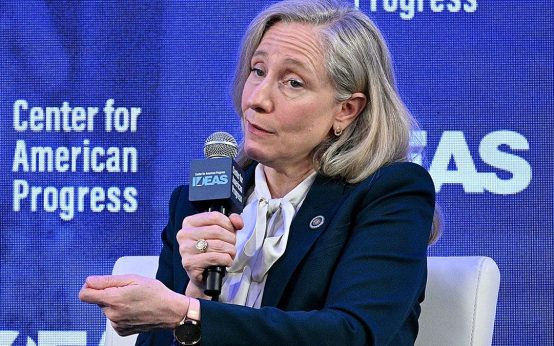 Analyzing Midterm Elections and Party Dynamics
 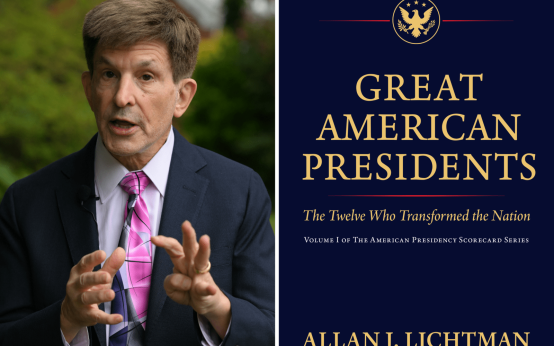 Allan Lichtman’s Framework for Assessing Presidential Greatness
 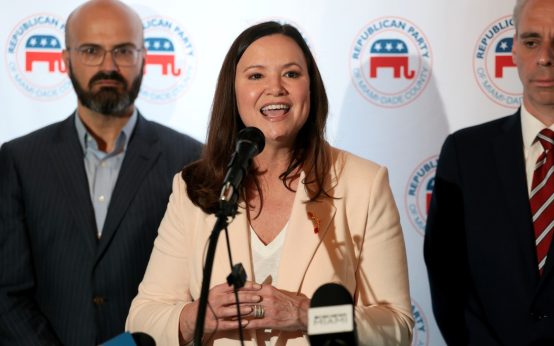 Florida Senate Race Tightens as Recent Polls Show Dead Heat
  Ethics Complaint Targets Colorado Representative Lauren Boebert
  Ken Paxton’s Campaign Funding and Polls