Trump’s Shift in Policy Toward Russian Oil
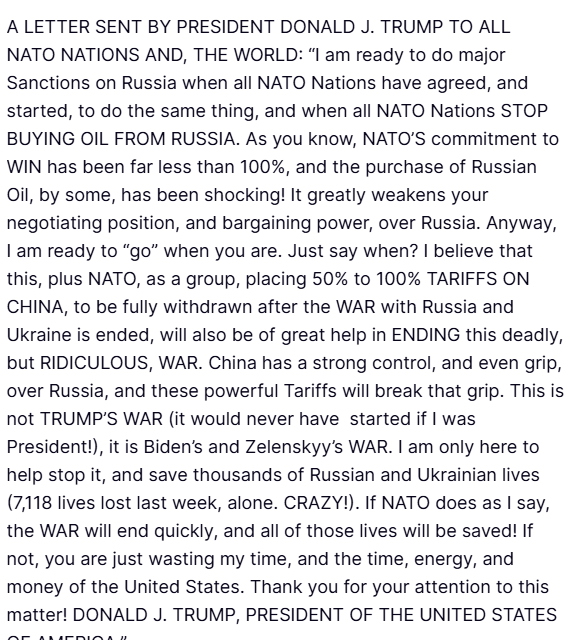
Donald Trump previously advocated for NATO countries to stop purchasing Russian oil. He emphasized that continued purchases weakened the alliance’s leverage over Russian President Vladimir Putin. If NATO acted decisively, Trump was willing to impose significant sanctions on Russia, suggesting tariffs between 50 and 100 percent on China. Despite asserting that the conflict was not his war, Trump expressed willingness to contribute to its resolution.
One year later, Trump’s stance shifted considerably. President Trump advised Ukrainian President Volodymyr Zelensky against targeting diesel fuel supplies in Russia. He pointed out that such actions were increasing global prices, affecting economies worldwide. Trump’s conflict in the Middle East now dictated his policy towards Russia-Ukraine tensions.
Operation Epic Fury and Its Impact
Trump launched Operation Epic Fury on February 28. This campaign aimed to prevent Iran from acquiring nuclear weapons while crippling its missile industry and military capabilities. Despite ambitions of regime change, the operation destabilized the energy market, vital for Trump’s Russia policies.
According to the International Energy Agency, over 10 million barrels of Gulf oil production remained halted in August. Exports were at half the pre-war levels. U.S. diesel and gasoline exports averaged 390,000 barrels daily, significantly below pre-conflict figures.
Regional Tensions and Their Effects
Attempts to negotiate the Strait of Hormuz’s fate have seen little progress. Iran’s allies exert pressure on Bab el-Mandeb Strait, a crucial regional chokepoint. Yemen’s Houthi rebels captured Mokha and Mayun Island, affecting Saudi infrastructure, including the East-West pipeline—critical for bypassing Hormuz.
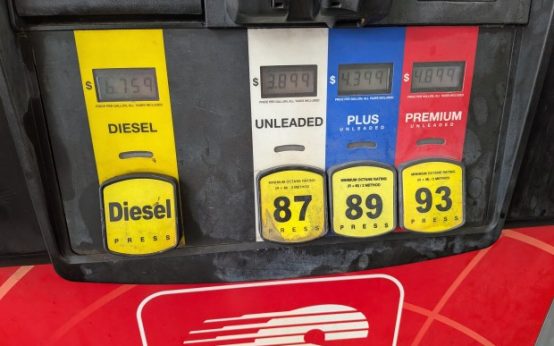
Americans are experiencing the repercussions. Diesel prices rose from $3.72 to $5.97 per gallon, with AAA reporting a national average of $6.20. Pew research indicated growing dissatisfaction with Trump’s economic policies, with 60 percent of Americans considering them detrimental.
Ukraine’s Situation Amidst Russian Pressure
Washington’s request for Ukraine to ease refinery attacks reflects strategic frustration amidst high global fuel prices. Trump’s administration sought assistance, positioning U.S.-Ukraine relations strategically.
Ukraine faces winter, with Russia intending to freeze Kyiv into submission. Putin ordered mass strikes on Ukrainian energy facilities, equipped with missiles and drones targeting weak defenses.
Imminent Russian elections add a layer of complexity. Zelensky warned that Russia might escalate military policies post-election, including troop call-ups, amid Ukraine’s manpower struggles.
Ukraine’s strategic long-range attacks on Russian oil infrastructure aim to impose costs on Moscow. Despite Trump’s previous condemnation, Ukraine’s leverage is crucial for sustaining pressure.
 Trump Administration’s Controversial Ad Campaign on Banned Networks
  Trump Addresses Immigration Policy Pressures Amid Hispanic Heritage Month
  Indiana Gas Tax Holiday Offers Temporary Relief to Drivers
  The Evolving Role of the Secretary of Defense in the Trump Administration
  Understanding Midterm Poll Results
  Supreme Court Faces Declining Approval Ratings