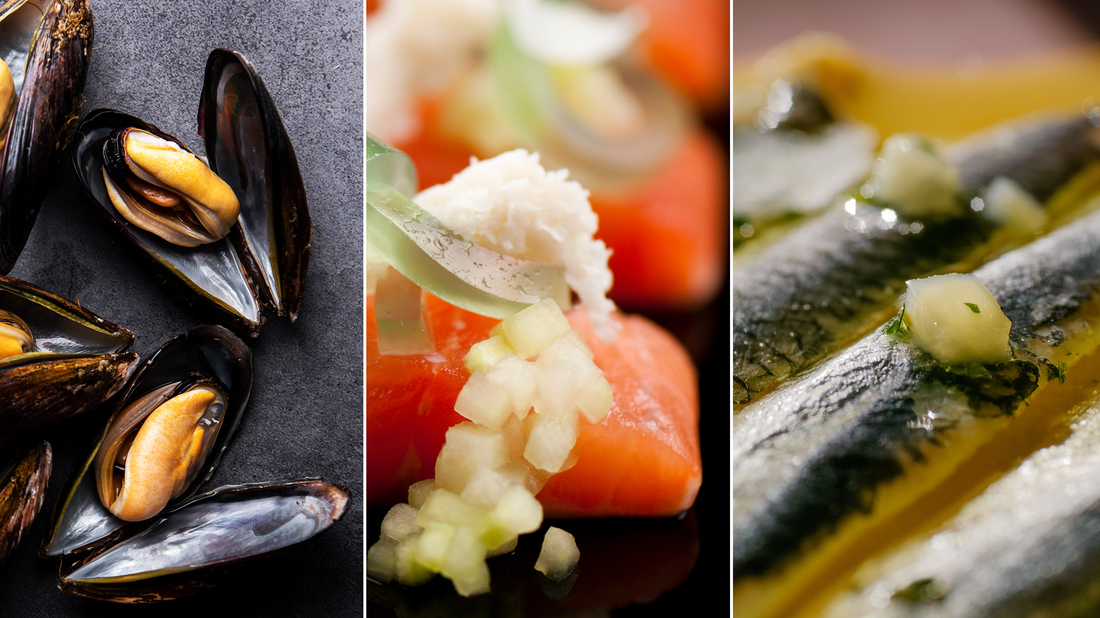
Choosing seafood like mussels from the U.S., Arctic char from Canada, and anchovies from the U.S. helps support sustainable eating. Mussels, Arctic char, and anchovies represent options from regions with responsible fishing practices.
The ocean offers many beloved dishes, including calamari, clam chowder, crab cakes, and sushi. Seafood demand is high, with 179 million tons harvested in 2018 according to the U.N. Food and Agriculture Organization. But overfishing has caused declines in species, such as Atlantic cod per the U.S. National Oceanic and Atmospheric Administration (NOAA), and damaging practices have endangered others like the Maui dolphin.
Consumers often struggle to determine if their seafood choices harm marine life. Knowing about the origin and method of catch is vital. Jennifer Dianto Kemmerly, vice president of global ocean initiatives at the Monterey Bay Aquarium, emphasizes that buying sustainable seafood sends a market signal to the industry. Sustainable choices promote responsible fishing that benefits people and the planet.
Ask the Right Questions
When deciding on seafood at a restaurant or store, inquire about sustainability. Key questions include:
- Is this fish pole or line-caught? Pole or line-caught fish typically indicate responsible fishing. This approach lets fishermen immediately release unintended or undersized catches, reducing bycatch.
- Is this fish caught in the U.S.? U.S. fishing regulations are stringent. Depleted fish populations must be rebuilt. As of 2022, 93% of U.S. fisheries are not overfished according to NOAA.
Do Your Research
If questioning isn’t possible, research helps. Look for online tools like Seafood Watch, NOAA’s FishWatch, or Environmental Defense Fund’s Seafood Selector. These resources offer insights on seafood sustainability. For instance, U.S. wild-caught pink shrimp is praised for sustainability, according to NOAA. Compare it to Argentine red shrimp, flagged by Seafood Watch due to bycatch issues. Kemmerly recommends becoming informed about preferred seafood to avoid contributing to overfishing.
Be Cautious with Labels
Labels like “wild-caught” and “farm-raised” may not accurately reflect sustainability. “Farm-raised” indicates tank-raised fish, while “wild-caught” means caught from natural habitats. Knowing harvest methods is helpful but should be supplemented with environmental impact considerations.
Expand Your Seafood Choices
Trying diverse fish options beyond salmon, tuna, and shrimp aids sustainability. Farmed mussels are protein-rich with minimal environmental farming impact, according to Seafood Watch. Arctic char offers a rich taste similar to salmon with healthy stocks. Exploring options like sablefish can introduce new flavors and reduce reliance on overfished species.
 Wedding Photographer’s Unexpected Amazon Purchase
  Unsupervised Play: The Benefits Over Commercialized Youth Sports
  Friendly’s: From Ice-Cream Shop to Iconic Chain Facing Modern Challenges
  Florida Man Claims ‘Lion Diet’ Transformed Health and Life
  Navigating Parenting Challenges with Teenagers
  Historic Church Transformed Into Los Angeles Boutique Hotel