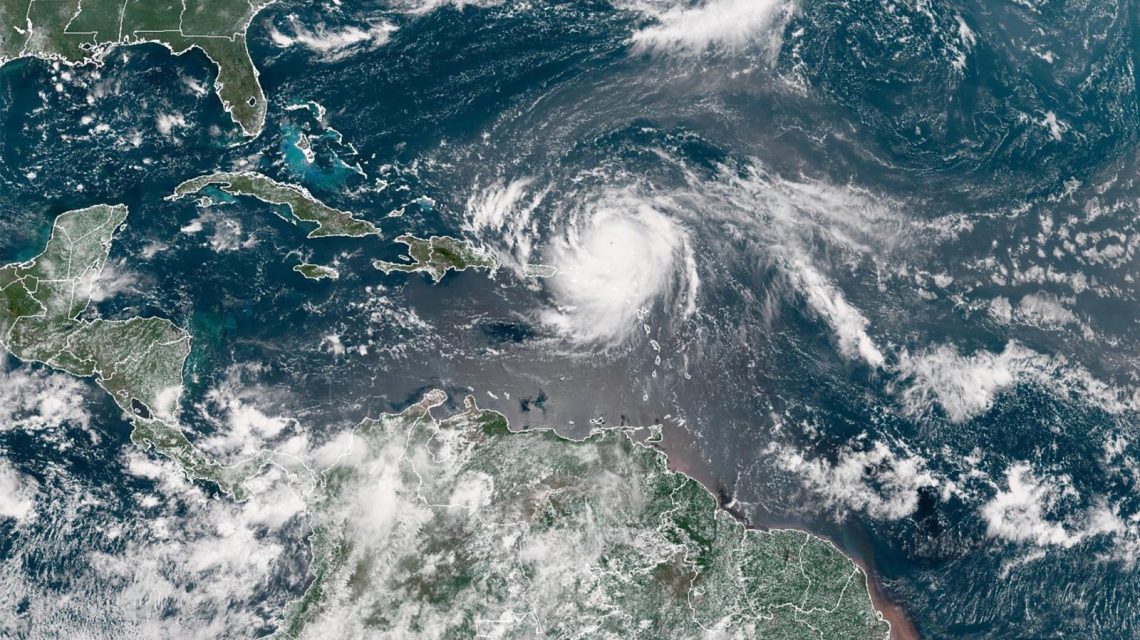
The Atlantic basin faces the possibility of its first hurricane-free season in more than a century, according to AccuWeather forecasters. This prospect comes amid expectations of strengthening El Niño conditions that are likely to persist through fall and winter, influencing weather patterns globally.
Understanding El Niño’s Impact
El Niño is a phase of the El Niño-Southern Oscillation (ENSO), characterized by warmer Pacific Ocean temperatures. This climatic pattern affects weather worldwide, bringing stormier weather to the Southern U.S. and modifying hurricane activity. During El Niño, the Atlantic Ocean typically sees fewer tropical storms and hurricanes, but activity increases in the eastern and central Pacific. Matthew Rosencrans from the NOAA has highlighted this trend.
Record-Breaking Potential
AccuWeather notes that, as of September 10, the climatological peak of the Atlantic hurricane season, no hurricanes have formed in the region. With low chances of development later in the month, the Atlantic could complete its busiest time without a hurricane, a rare occurrence. Historically, only two seasons—1907 and 1914—recorded no hurricanes, although these were before the satellite era.
“Powerful El Niño conditions continue to generate disruptive wind shear across the basin, with no meaningful change expected soon,” said Alex DaSilva, AccuWeather’s lead hurricane expert.
This year, five named storms have appeared, but none reached hurricane strength due to factors like persistent wind shear, dry air, and Saharan dust. However, AccuWeather warns that tropical storms can still cause damage with flooding, wind gusts, and rough surf.
Looking Ahead
The Atlantic hurricane season ends on November 30, with a dwindling chance for the first hurricane of the year after September. Historically, 24 percent of hurricanes since 1966 emerged post-September, but during El Niño years, this figure drops to 19 percent. Nicholas Arman from AccuWeather states that increasing wind shear and cooling waters, along with declining solar energy, create obstacles for tropical development late in the year.
Concerns around El Niño’s effects extend beyond mere storm count, highlighting significant shifts in weather patterns impacting various regions globally.
 Fat Bear Week 2026 Highlights: Meet the Competitors
  Annual Fat Bear Week Begins at Katmai National Park
  Understanding Hurricane Development
  California Prepares for El Niño-Fueled Storms with Emergency Declaration
  California’s Growing EV Adoption: Challenges and Benefits
  Data Centers in Virginia face Growing Opposition