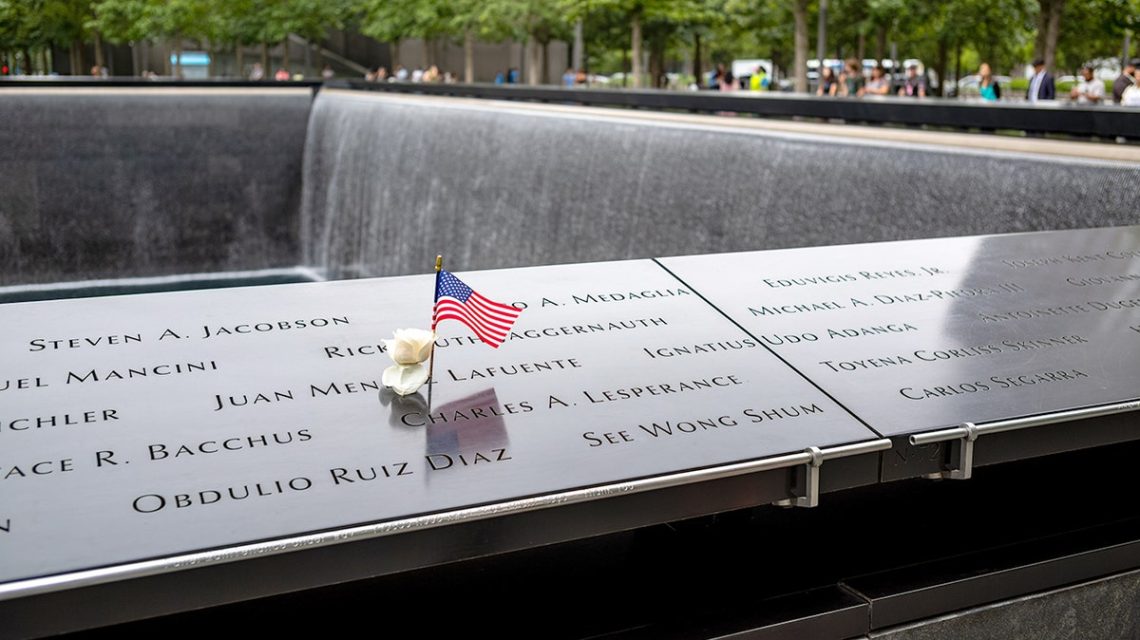
On September 11, 2001, Javed Ali witnessed the transformative events that reshaped America’s security landscape. As he drove past the Pentagon that morning, he had no inkling of the imminent catastrophe. Just thirty minutes later, American Airlines Flight 77 crashed into the Pentagon. From his office in Falls Church, Virginia, Ali saw smoke billowing from the building.
In an intriguing twist, Ali walked into the damaged Pentagon a year later, now serving in the Defense Intelligence Agency’s counterterrorism office. His career progressed through the Department of Homeland Security and the FBI, all demonstrating the massive national security architecture constructed post-9/11.
Twenty-five years have passed since that tragic day, revealing a paradox in the security efforts. While the United States has not faced another attack on the scale of 9/11, the nature of threats has evolved. Initial efforts dismantled much of al Qaeda’s network, but terrorism itself did not disappear. The American focus shifted to include individuals radicalized online and cyber threats, which can reach deep inside the U.S. without traditional means of attack.
“It was a surreal moment in my career,” Ali told Fox News Digital.
Building the Security State
Following 9/11, the United States undertook vast initiatives to bolster national security. President George W. Bush established the Transportation Security Administration, assuming responsibility for airport security. In 2003, the Department of Homeland Security began operations, combining 22 federal agencies to address border security, cybersecurity, and emergency response, employing over 260,000 people.
Washington made strides to address intelligence failures noted by the 9/11 Commission. The need for clarity in responsibility and accountability led to changes aimed at preventing future attacks. According to Brown University’s Costs of War project, post-9/11 security and military actions have cost more than $8 trillion.
Evolving Threats
Even after the initial response to al Qaeda, plots emerged, showing the need for continuous vigilance. With the rise of ISIS, newer challenges arose, as the group created a self-declared caliphate and executed numerous attacks. The focus shifted from known groups to individuals radicalizing within Western countries, posing a different kind of threat that’s challenging to track and counter.
Today’s threats often stem from individuals or small groups radicalized online, disconnected from organized terrorist organizations, making them difficult to detect. The government’s 2026 threat assessment highlights Islamist terrorist groups’ decreased ability for large-scale attacks, driving them towards propaganda and isolated incidents.
On January 1, 2025, Shamsud-Din Jabbar, radicalized online, drove into a crowd in New Orleans, exemplifying the difficulty of preemptively identifying such threats.
Looking Forward
There is growing debate about whether the size of post-9/11 security measures matches the needs of current threat landscapes. Critics argue that bureaucracy is unwieldy, and resources could be used more effectively by targeting specific threats.
The next potential threat could deviate significantly from 9/11, with new challenges extending beyond terrorism, involving cyberattacks and state adversaries capable of sophisticated disruptions.
Ali believes the original threats cannot be dismissed entirely. Emerging threats must be confronted before gaining momentum, underscoring counterterrorism’s continued importance in avoiding pre-9/11 complacency.
“Terrorism as a tactic is probably never going to be defeated,” Ali remarked.
The United States engineered a massive system to guard against another 9/11. Though such an attack seems more challenging now, the broader task is recognizing threats that differ from prior templates.
 Reopened Investigation into Alleged 2024 Cornell University Fraternity Assault
 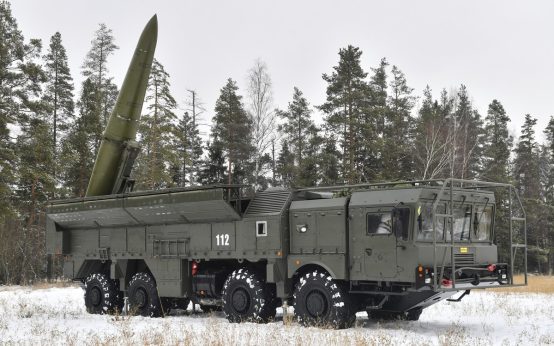 Ukraine’s Strategic Challenges in Air Defense
 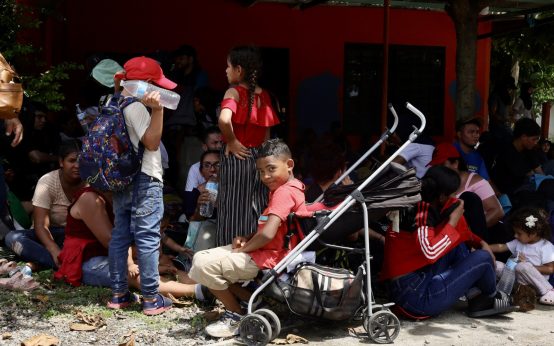 Migrants Move North Through Mexico as U.S. Immigration Measures Intensify
 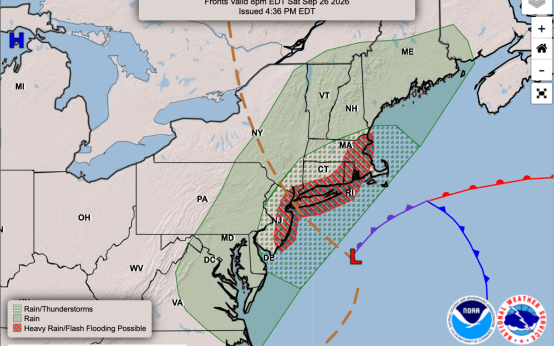 Severe Nor’easter Hits Northeast: Floods, Power Outages, and Travel Disruptions
  Relief through Routine: Spokane Students Find Comfort amid Loss
  Starbucks to Shut Down 250 Stores in North America