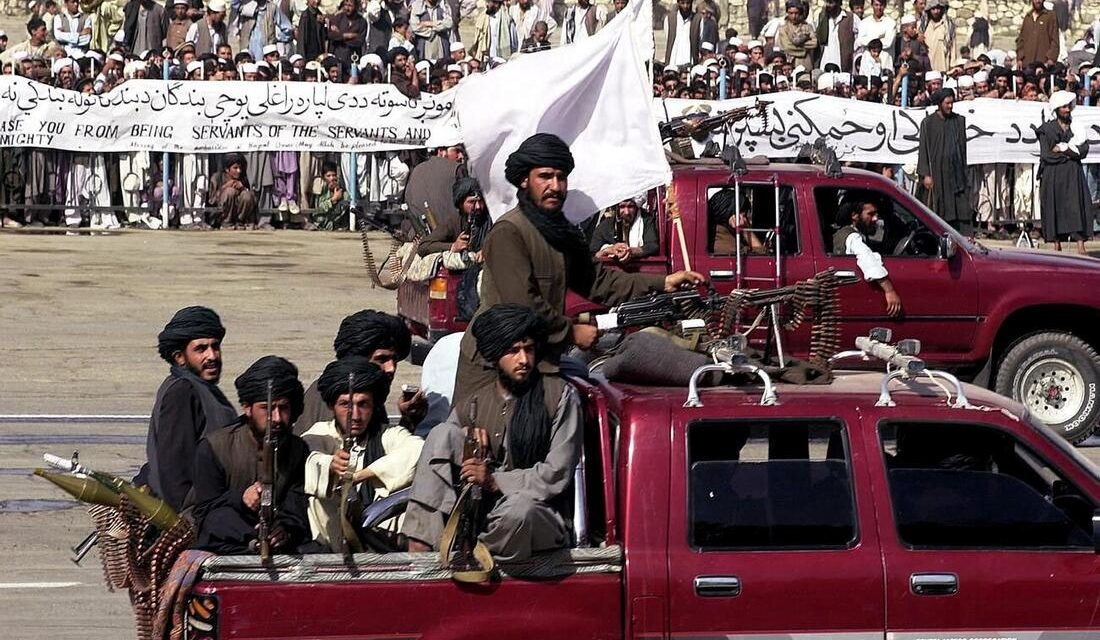
Before September 11, 2001, Afghanistan was largely isolated under Taliban rule. From 1996 to 2001, it was cut off from much of the world, relying heavily on foreign aid. The harsh Taliban regime controlled daily life, mandating beards for men and burqas for women. Education for girls was forbidden, and women couldn’t work outside their homes. In Kabul, electricity was erratic, phone services were unavailable, and roads were damaged. The few vehicles were often those of the Taliban’s ‘religious police.’ Public executions and harsh corporal punishments were common.
The Taliban issued multiple bans, targeting internet use, certain types of clothing, and even music. Despite the Taliban’s control, poverty was widespread, with many residents unable to leave the city. A fragile economic situation meant large portions of Kabul’s population depended on aid like subsidized bread from the World Food Program.
The sense of isolation was profound.
In September 2001, the trial of foreign aid workers accused of promoting Christianity brought foreign media, including myself, to Kabul. The allegations meant possible death penalties, raising international concern.
The Aftermath of 9/11
When the terrorist attacks occurred in the U.S., I was in Kabul. Afghans listened to news via radios, as television was banned. There was immediate fear of U.S. retaliation due to Afghanistan’s sheltering of Osama bin Laden. Although Afghans generally disliked the Arab presence of al-Qaida members, the Taliban protected bin Laden due to past alliances during the Soviet conflicts.
Despite these connections, the Taliban emphasized their friendship with the U.S. The Taliban’s foreign minister, Wakil Ahmad Muttawakil, insisted on bin Laden’s innocence initially. However, the government’s rejection to extradite him complicated Afghan-U.S. relations.
As the threat of conflict loomed, many foreigners left, and the uncertainty was palpable. Within two months, the Taliban were ousted, yet the reality of insurgency persisted as the country remained unstable.
Return to a Changed Kabul
Upon my return in the early 2000s and later in 2012 and 2013, Kabul seemed transformed. The city buzzed with life: music played openly, markets thrived, and technology became more accessible. Afghan journalists and professionals emerged, bringing new energy and hope.
However, the Taliban’s insurgency continued. They maintained their influence, frequently attacking civilians in public places. Despite efforts for renewal, peace remains elusive.
Even years later, remnants of al-Qaida’s past exist in areas like Logar Province. These locations are reminders of the extensive reach and ongoing impact of terrorism.
 Assassin of Chilean Diplomat Orlando Letelier Faces Deportation 50 Years After Assassination
  Gorillaz and Macklemore Respond to Controversy Over Israel-Palestine Statements
 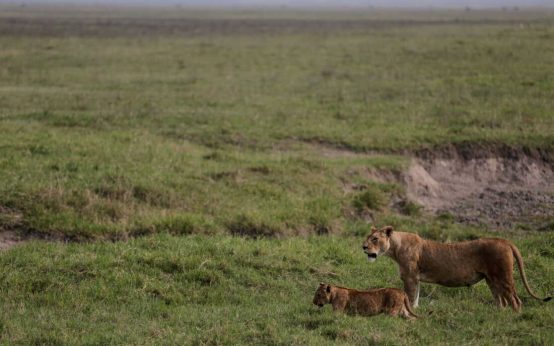 Investigation into Lion Deaths in Tanzania
 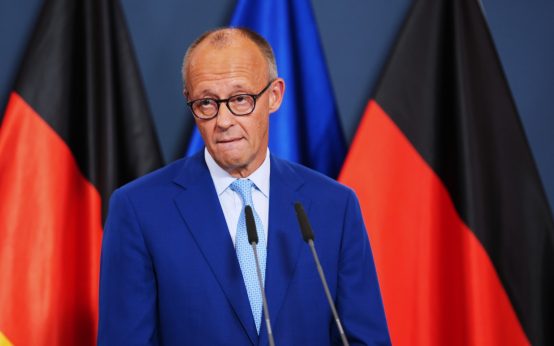 Merz Stays Resolute Amid Electoral Shifts in Germany
 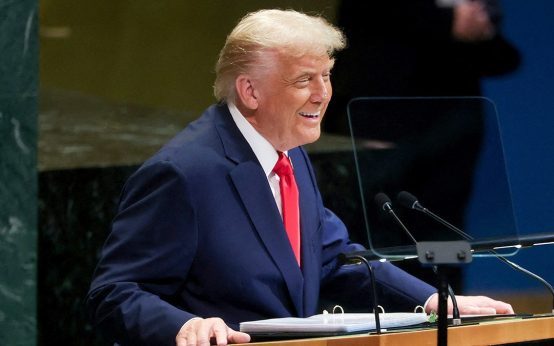 U.S.-Iran Relations and Diplomacy at Upcoming U.N. Assembly
  US-China Relations Under Scrutiny: Expert Warns of Escalating Tensions