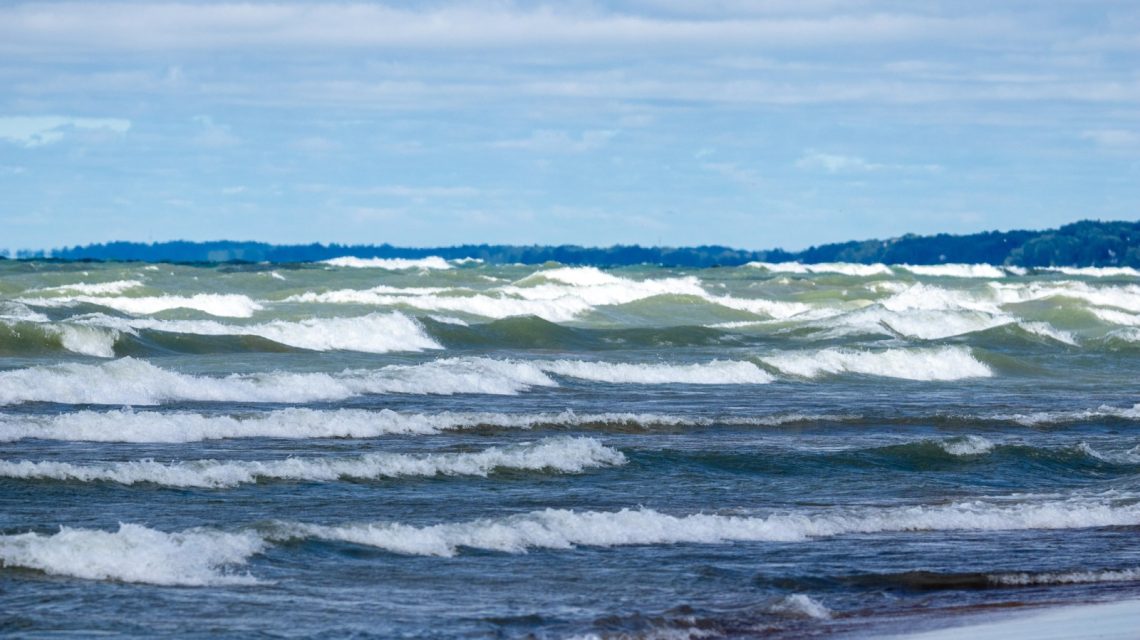
Beach hazard statements have been issued for parts of Lake Michigan. High waves, dangerous currents, and rip currents could pose life-threatening risks for swimmers this weekend.
The National Weather Service’s Great Lakes Beach Hazards program issues statements when a high risk is forecast due to waves, rip currents, or other hazardous conditions. Recently, warnings stretched across all five Great Lakes, urging nearly 1 million people to avoid the water.
Current Warnings in Wisconsin and Michigan
The latest advisories target Wisconsin and Michigan, where strong wave action and currents are expected through Friday, and in some areas, Saturday. Beachgoers are advised to heed these warnings as Great Lakes currents can be as perilous as ocean currents. The Great Lakes Surf Rescue Project reports dangerous currents account for numerous deaths annually.
Since 2010, approximately 1,480 Great Lakes drownings have occurred. This year, 65 drownings have been recorded, with 35 in Lake Michigan.
End of Lifeguard Season
Most beaches no longer have lifeguards, making it crucial to follow official advice. Dave Benjamin, executive director of GLSRP, highlights the absence of lifeguards after Labor Day weekend.
List of Impacted Beaches
The National Weather Service has identified several vulnerable beaches:
- Wisconsin Beach Warnings:
- Kewaunee County: Crescent Beach, City of Kewaunee Beach
- Manitowoc County: Point Beach, Neshotah Beach, Red Arrow Beach
- Door County: Rock Island State Beach, Baileys Harbor beaches, Whitefish Dunes Beach
- Michigan Beach Warnings:
- Southern Schoolcraft County: Lakeview Park, Seul Choix Point
High waves and currents are expected from Friday afternoon through Saturday afternoon.
Hazardous Conditions Across the Great Lakes
Earlier warnings were issued across all five Great Lakes due to a large weather system. Officials caution that even when warm temperatures and calm skies prevail, hazardous conditions can develop swiftly.
Rip Current Survival Tips
Safety officials emphasize avoiding panic when caught in a rip current. Rip currents are powerful channels of water moving away from the shore.
The GLSRP advises: “Flip, Float and Follow.” Flip onto your back, float to conserve energy, and follow the current to find a safe escape path.
Swim parallel to the shore to escape the current. If escape is impossible, continue floating, conserve energy, and signal for help.
The NWS stresses staying out of the water when hazard statements are active. Currents near piers, breakwalls, and open beaches can quickly overpower swimmers.
With lifeguards absent and hazardous conditions forecast, visitors should check local forecasts and take warnings seriously.
Contact Newsweek editors: Jason Lemon and Sam Wilson.
 Buffalo Grove Fire Station 25 Embraces Modern Safety and Efficiency
  Air Traffic Communication Breakdown Disrupts Northeast Airports
  Gen Z’s Early Workforce Success Compared to Millennials
  NTSB Launches National Campaign for Railworker Safety in Chicago
  Staten Island Event Sparks Controversy Over Mayor’s Presence
  Maryland Hunter Charged After Fatal Shooting in Delaware