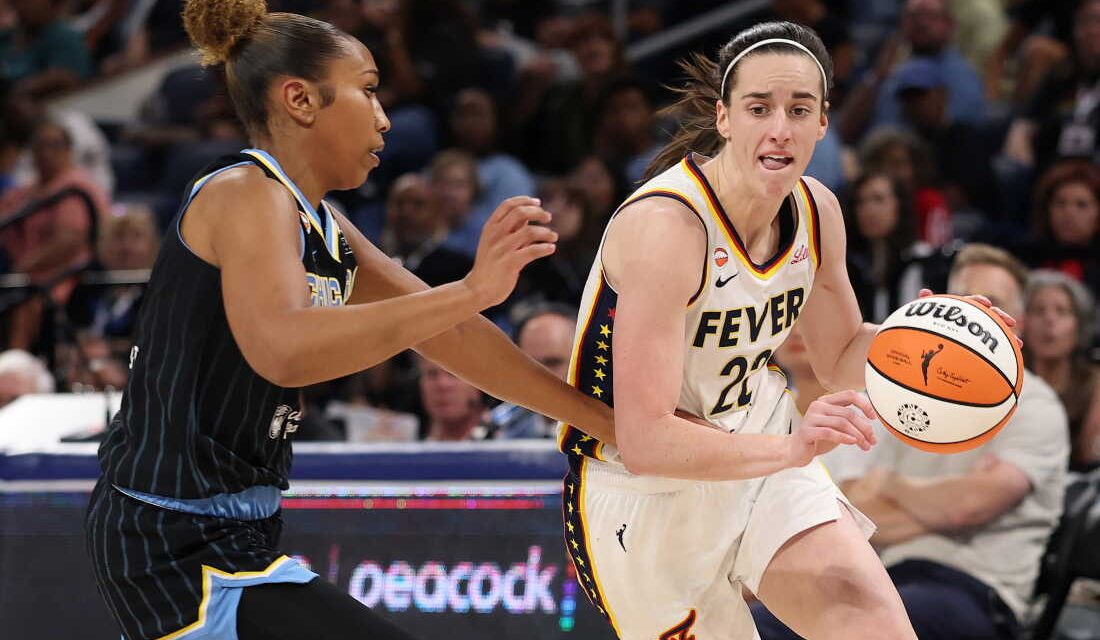
The WNBA is experiencing unprecedented growth. Both viewership and attendance have surged significantly, as have team valuations. The league recently secured a colossal $3.1 billion media rights deal, signaling substantial interest and investment.
Athletic correspondent Sabreena Merchant highlights the league’s improvement: “The talent is exceptional, and the play’s quality has never been better. The playoff field is thrilling and unpredictable. There’s no certainty on who will claim the 2026 title.”
Despite these advances, the league grapples with controversies and cultural clashes. Media Matters reports that since June 25, Fox News aired over 206 segments about the WNBA, often inciting debates about race and trans athletes. Merchant observes, “The WNBA often becomes politicized beyond the actual games—a tactic to leverage the league as a political tool.”
The Chicago Sky management has sought national security assistance to safeguard players off-court. League Commissioner Cathy Engelbert announced her decision to resign by year-end. Merchant notes: “The narrative surrounding the WNBA lacks control. While Engelbert isn’t solely responsible, there’s a desire for a commissioner adept at managing the league’s story and preventing its misuse in cultural debates.”
Interview Highlights
Physicality Discussions in the WNBA
Concerns about physicality stem partly from misogyny. Some believe it’s protective to keep women from environments where they might face harsh conditions, such as on a basketball court. This mindset challenges the idea of women engaging in professional sports.
Special Treatment Claims: Caitlin Clark
Caitlin Clark has transformed the Indiana Fever’s popularity since her 2024 debut. Her presence captivates audiences, evident in her draft viewership and All-Star game attendance; Indiana Fever games often set viewership records.
The NBA Commissioner, Adam Silver, publicly addresses Clark’s treatment—a sentiment Cathy Engelbert hasn’t shared. Merchant indicates certain players perceive favoritism based on access.
The Defense of Clark by Black Players
There’s a notion circulating that Black players intensely defend Clark due to her prominent media attention. Statistically, Clark draws more fouls than any other guard due to her frequent ball possession and physically challenging play.
The WNBA historically supports marginalized communities, including Black and LGBTQ women. Clark’s introduction brought in fans lacking such identities, altering traditional perceptions. Merchant clarifies that the majority of WNBA players are Black, naturally explaining the defense dynamics surrounding Clark.
Demonstrations outside the United Center in Chicago before the Chicago Sky vs. Indiana Fever game on Aug. 8, 2026 reflect societal tensions. Michael Reaves/Getty Images North America.
Sophie Cunningham’s View on Trans Women
In July, ESPN highlighted Sophie Cunningham of the Indiana Fever, discussing her stance on trans women in sports. Cunningham publicly expressed that trans women should be excluded from girls’ sports, sparking debate.
This viewpoint, atypical among professional athletes, paints Cunningham as a representative of exclusionary policies. The WNBA lacks specific transgender athlete policies. Its CBA mentions being a woman but doesn’t define “woman”; the NCAA prohibits transgender athletes, creating challenges for entry into the WNBA.
Concerns Over WNBA Officiating Quality
Players universally agree that officiating needs improvement. The absence of full-time officials leads to subpar referees, as talented referees often transition from the G League to the NBA. Many WNBA referees officiate college games, facing conflicting rules, exacerbating quality issues.
A’ja Wilson and Jackie Young of Las Vegas Aces advocate for better pay at the 2025 WNBA All-Star Game in Indianapolis, Indiana. Steph Chambers/Getty Images.
Supplementary Salaries Abroad
Before 2026’s collective bargaining agreement, WNBA players averaged annual earnings over $100,000, compelling them to play overseas during offseasons for financial stability. This year-round competition jeopardizes rest, recovery, skill development, and family time.
Historically, players earned more in foreign contracts, influencing decisions like Diana Taurasi’s choice to sit out the WNBA season for substantial compensation abroad. The new agreement raises players’ average salary to $600,000, introducing revenue-sharing as league revenue grows.
Monique Nazareth and Susan Nyakundi contributed to the broadcast adaptation. Bridget Bentz, Molly Seavy-Nesper, and Beth Novey adapted this content for the web.
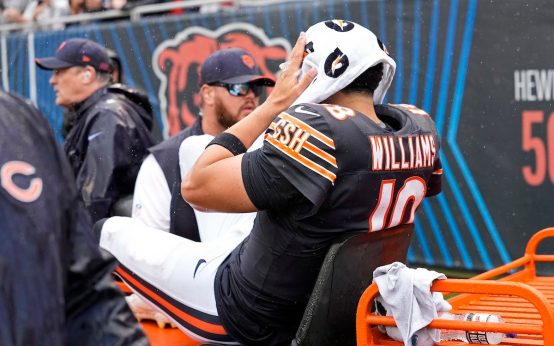 Chicago Bears Struggle After Caleb Williams’ Injury
  Jayden Daniels Suffers Elbow Injury; Marcus Mariota Set to Start
  Significant Events in Chicago History on September 21
  Patriots Rookie Gabe Jacas Shines Against Aaron Rodgers
 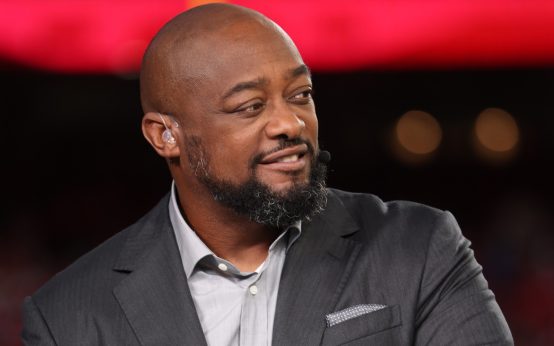 Pittsburgh Steelers Face Offensive Struggles in Post-Tomlin Era
 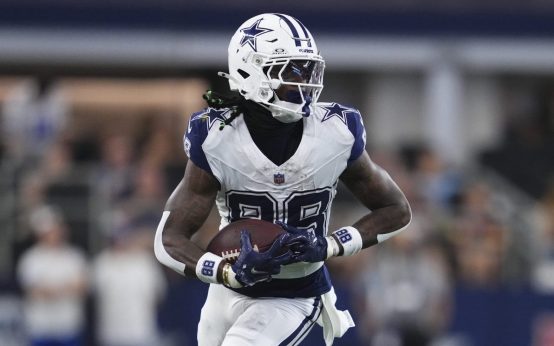 CeeDee Lamb Leads Dallas Cowboys to Victory Over Washington Commanders