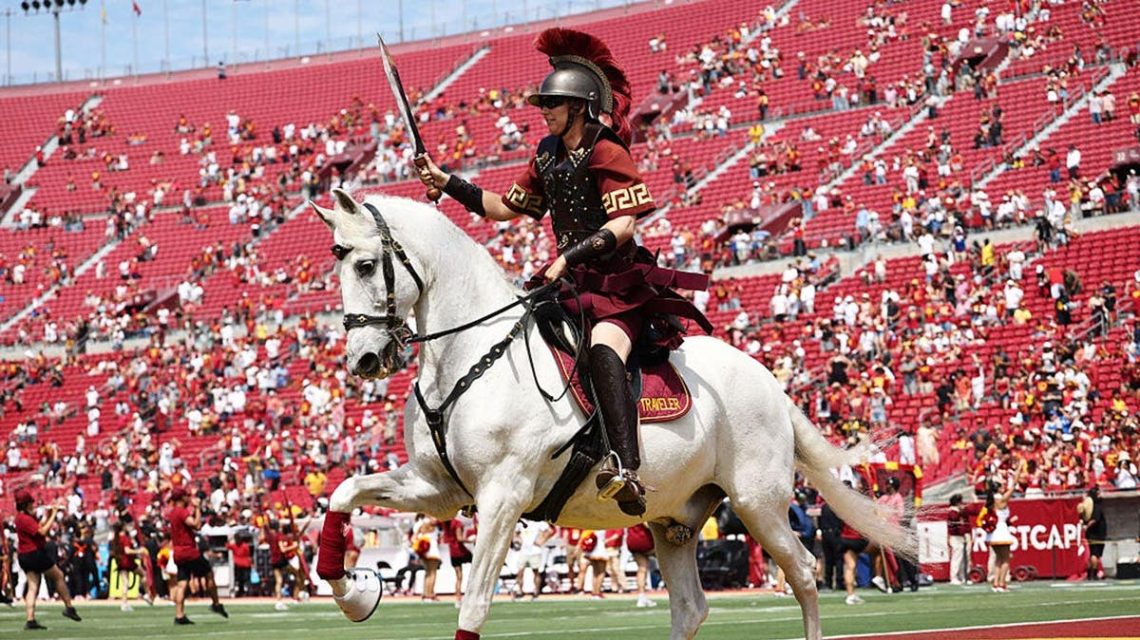
In the early days of the college football season, unexpected weather conditions sparked debates. Unusually hot and humid weather affected the USC Trojans and San Jose State game at the Los Angeles Memorial Coliseum. This was due to remnants of a tropical storm off the West Coast. The noon start time meant fans endured a heat index of about 105 degrees. Attendance was low because of the harsh conditions.
As the season continued, similar issues arose. Teams like South Carolina and Texas Longhorns held games during extreme afternoon heat. Despite ticket purchases, many fans left early, seeking shade under the stadium concourses. Some experienced medical issues like heat exhaustion and dehydration.
THE CRAIG CARTON SHOW–UNFILTERED, UNAPOLOGETIC AND UNMISSABLE. DOWNLOAD HIS DAILY PODCAST NOW!
This situation has led to discussions about scheduling games amidst such weather. One controversial opinion came from Iliana Limon Romero of the Los Angeles Times, suggesting adaptations to “climate change” should influence scheduling decisions.
Romero’s suggestion caused debate. Some argue that TV networks prioritize broadcast windows over local weather realities. Many believe that games in places like Austin should occur at night in early September. The heat makes attending games unsafe, not an admirable display of support.
However, blaming normal seasonal heat on climate change faced criticism. Average temperatures in Austin typically range from 95 to 97 degrees at this time. Recent temperatures were only slightly higher and not unusual for early September.
According to critics, climate change isn’t responsible for summer heat in Texas. They argue Romero’s views reflect a broader trend of attributing standard weather patterns to climate change without scientific backing. This viewpoint, they claim, undermines the credibility of modern sports journalism and outlets like the LA Times.
OUTKICK IS NOW ON THE FOX APP: CLICK HERE TO DOWNLOAD
In summary, while scheduling games in extreme heat remains problematic, attributing it to climate change is debated. Suggestions to adapt game times to local conditions seem more practical, focusing on fans’ well-being rather than contested climate assertions.
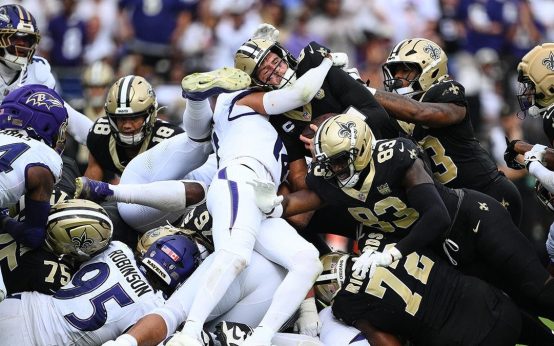 Saints’ Tyler Shough Leads Team to Win Amid Controversial Call
 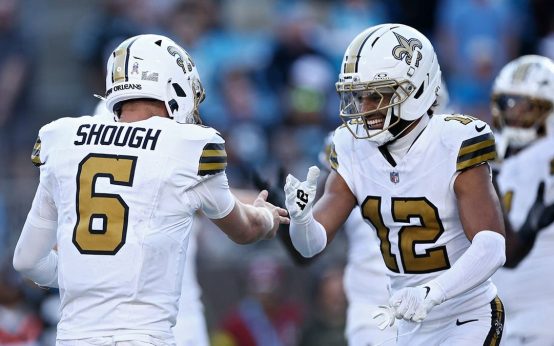 NFL Week 2: Key Insights From Each Game
 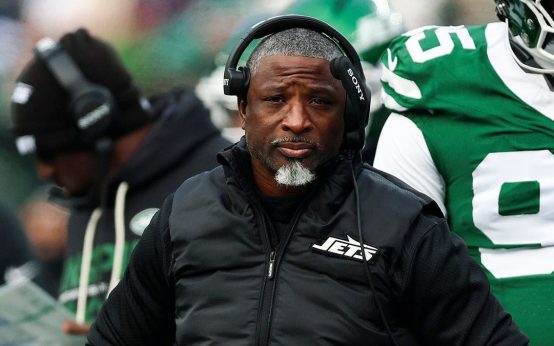 Jets Coach’s Clock Management Sparks Debate
 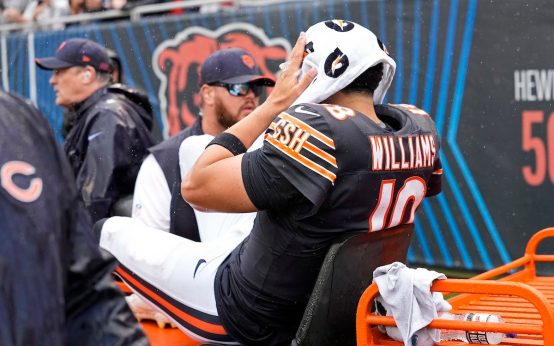 Chicago Bears Struggle After Caleb Williams’ Injury
  Jayden Daniels Suffers Elbow Injury; Marcus Mariota Set to Start
  Significant Events in Chicago History on September 21