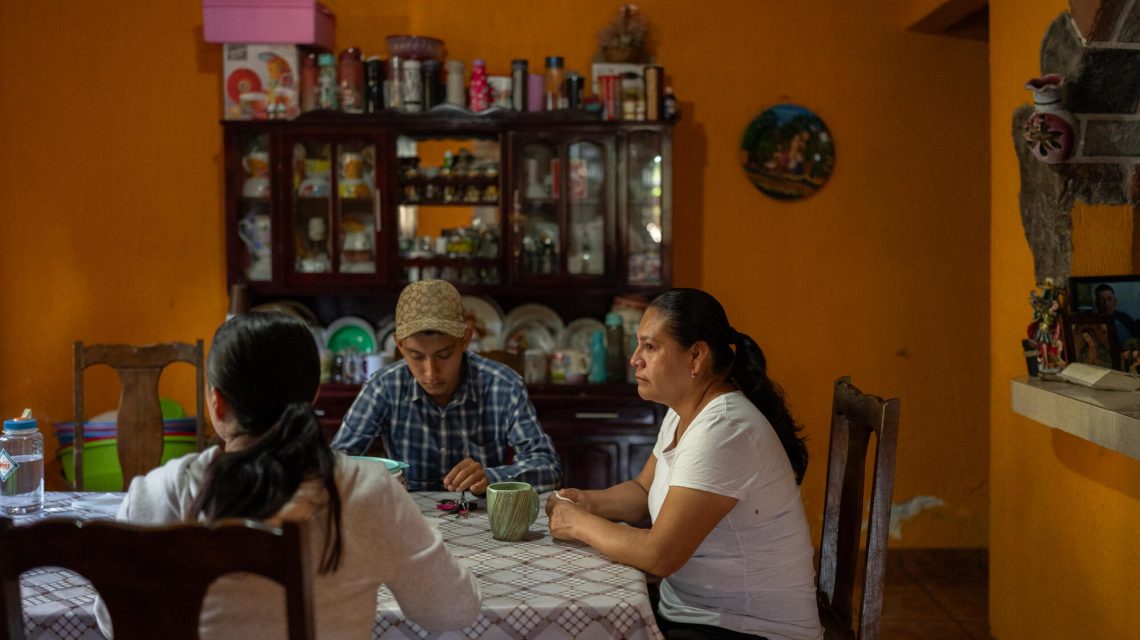
In San Ángel Zurumucapio, Mexico, the booming avocado industry has transformed both the land and the lives of its residents. The influx of wealth has been accompanied by instability, as violence has become a regular part of life in what was once a tranquil region.
Óscar García, only 18 years old, is tasked with managing his family’s avocado farm after his father’s mysterious disappearance.
For decades, the area was known for its pristine forests and indigenous P’urhépecha roots. Francisco García, 74, recalls when a young person’s success often meant leaving Mexico. He sought fortune in Texas to provide for his family. His son Pancho later followed suit, working on a North Carolina Christmas tree farm before returning to plant avocados.
The North American Free Trade Agreement played a pivotal role here by lifting the U.S. ban on Mexican avocados in 1997. This triggered a surge in demand, turning Michoacán into a top global producer. Many residents, including Pancho, went from poverty to the middle class, purchasing homes and sending their children to quality schools.
However, the region’s prosperity drew organized crime, which diversified from drugs to avocado production. Criminals took control of farms, deforested land for orchards, and demanded protection fees from growers.
Armed criminals in San Ángel became a common sight, frightening families. Óscar learned farming from his father amidst the tension. Despite rampant violence and kidnappings, Pancho remained peaceful and rejected firearms for self-defense.
The community grew frustrated with governmental neglect and formed a self-governing model, banning political parties. Locals took security into their own hands by organizing armed shifts and setting up barricades to protect their town.
Even though Pancho disagreed with militarizing the community, he reluctantly fulfilled his guard duties. Meanwhile, Francisco feared the risks of weapons mishandling and potential escalation of conflict. The town’s self-defense measures provided a semblance of security, but nearby regions, like Uruapan, remained dangerous.
A tragic turn occurred on December 10, 2024, when Pancho disappeared while working on the farm. The incident sparked an extensive search, including militia and National Guard intervention.
The investigation yielded few results, leading the family to suspect a botched kidnapping. Francisco ultimately halted their search, fearing further loss. In the aftermath, Óscar stepped in to manage the farm, leaving school earlier than planned. His involvement with the militia brought him a sense of purpose, but Francisco worried about the changes in his grandson.
Avocados brought both prosperity and peril to the García family. While Francisco appreciates the opportunities they provided, he grapples with the resulting violence and his family’s loss. A candle remains lit in Pancho’s memory, as they continue to prepare meals with avocados and handmade tortillas.
 White House Approves F-35 Sales to Saudi Arabia Amidst Regional Tensions
  Inside the Secret Deals Powering the President’s Push to Deport Migrants to Countries Not Their Own
  Navigating the Challenges of Third-Country Deportations
  Midair Altercation on Bangladesh to London Flight
 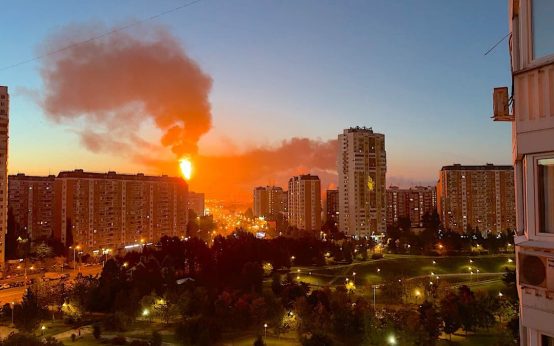 Ukraine Missile and Drone Barrage Hits Russia Amidst Elections
  U.S. Strategic Goals Remain Unmet Amid Prolonged Conflict