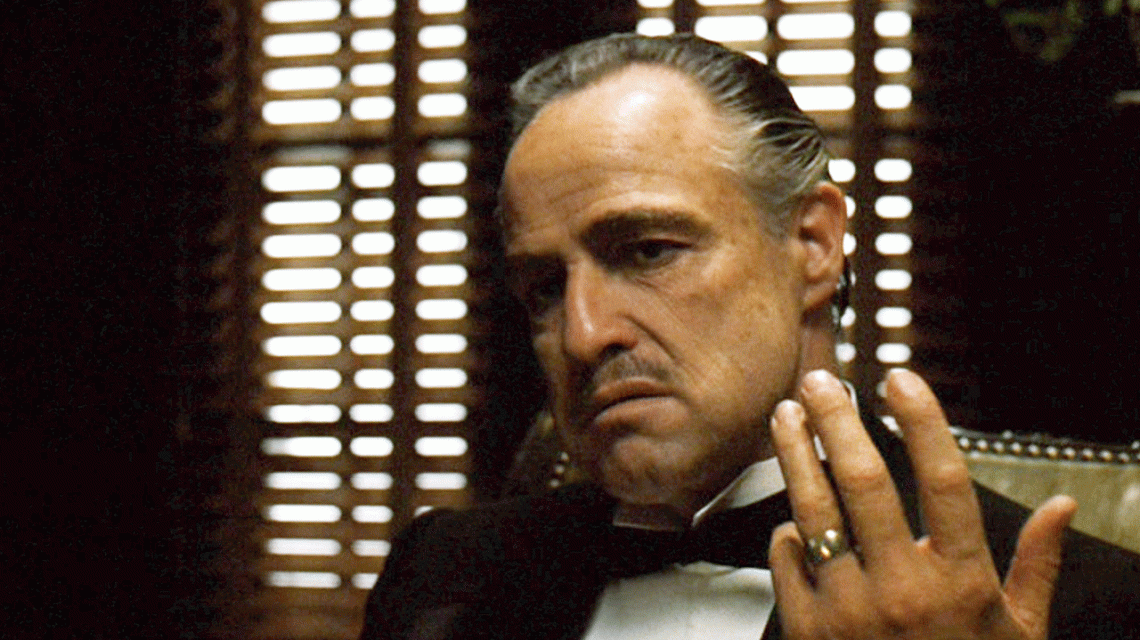
In the film “The Godfather,” Don Vito Corleone gathers the leaders of New York’s crime families to warn against hidden attacks. He makes it clear that any misfortune befalling his son Michael won’t be excused as coincidence. In a similar vein, NATO and the EU should adopt a precautionary approach in dealing with suspicious activities linked to Russia.
Do not hide an attack behind coincidence, an intermediary, or a lack of proof.
Whether it is a mysterious drone incursion or a severed power cable beneath the Baltic Sea, Western countries should act under the presumption that Russia is responsible. This requires a shift from traditional Western values, where the presumption of innocence is held dear. However, Russia exploits this system, strategically structured to avoid direct accountability.
Given Russia’s history of neighboring invasions, proxy usage, cyberattacks, and political interferences, the West’s response needs to evolve. Action must be taken without waiting for courtroom-grade evidence. Putin has forfeited any benefit of doubt long ago by continuously engaging in underhand activities while denying responsibility.
Russia operates in a gray zone, strategically inflicting damage between peace and open warfare. This ambiguous approach utilizes entities like hackers and supposed independent organizations to obscure evidence and avoid a Western response. The tactic succeeds because Western countries remain overly cautious and predictable in their reactions.
Moscow’s pattern of questionable activities should lead to Russia being presumed guilty unless convincing evidence states otherwise. Prolonged investigations, expert consultations, and analysis often result in public disinterest or disputes among allies, allowing Russia to move forward with new operations.
Western hesitation benefits Putin, as NATO tends to debate Russia’s culpability unless faced with a direct and overt assault. To deter Russian aggression, the West must respond asymmetrically, ensuring that Russian mischief leaves the Kremlin worse off.
Responses should target areas Putin values, potentially disrupting military capabilities, intelligence networks, or revenue streams. The aim is to impose greater costs on Russia than any benefits it gains from its acts.
The West need not make announcements following a response. Silence can serve strategic purposes. Putin should be aware of consequences without having a detailed account of Western capabilities and intentions.
It’s crucial for NATO to reconsider insisting on absolute certainty before defending itself. National security decisions naturally involve intelligence and risk assessments, not courtroom standards of proof.
Despite the risks of misinterpretation, the current Western policy presents an even greater threat. If unchecked, Putin may continue his escalations, believing the West incapable of responding effectively. Effective deterrence stems from convincing adversaries that their actions will result in tangible consequences.
Europe’s crafted legal and diplomatic systems have inadvertently enabled Putin’s strategies. Democratic governments hesitate to act on incomplete data, a fact exploited by the Kremlin. To deter future threats, the West must respond proactively, without unnecessary delays tied to proving guilt beyond reasonable doubt.
 Crisis in Yemen Amid Renewed Conflict
 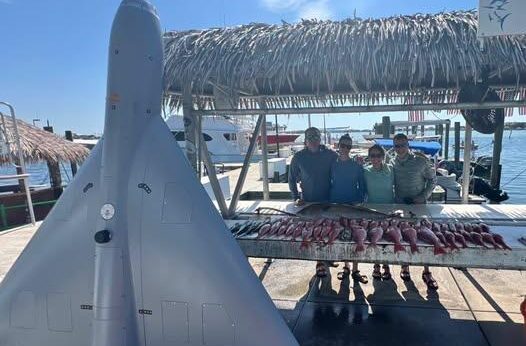 Fishing Expedition Uncovers US Military Drone in Gulf Waters
  Hurricane Polo Threatens Catastrophic Impact on Mexico’s Coast
 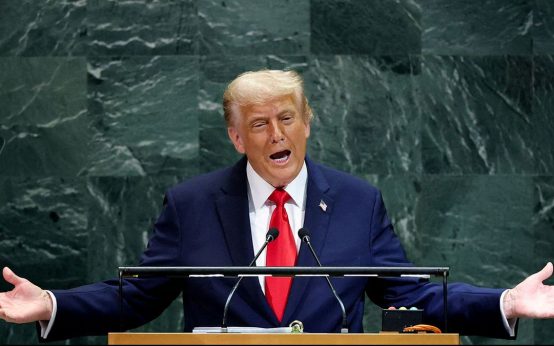 Trump’s Diplomatic Agenda: UN Speech and Global Issues
  The Shofar: A Symbol of Healing and Redemption
  Princess Diana’s Brother’s Book Sparks Royal Controversy