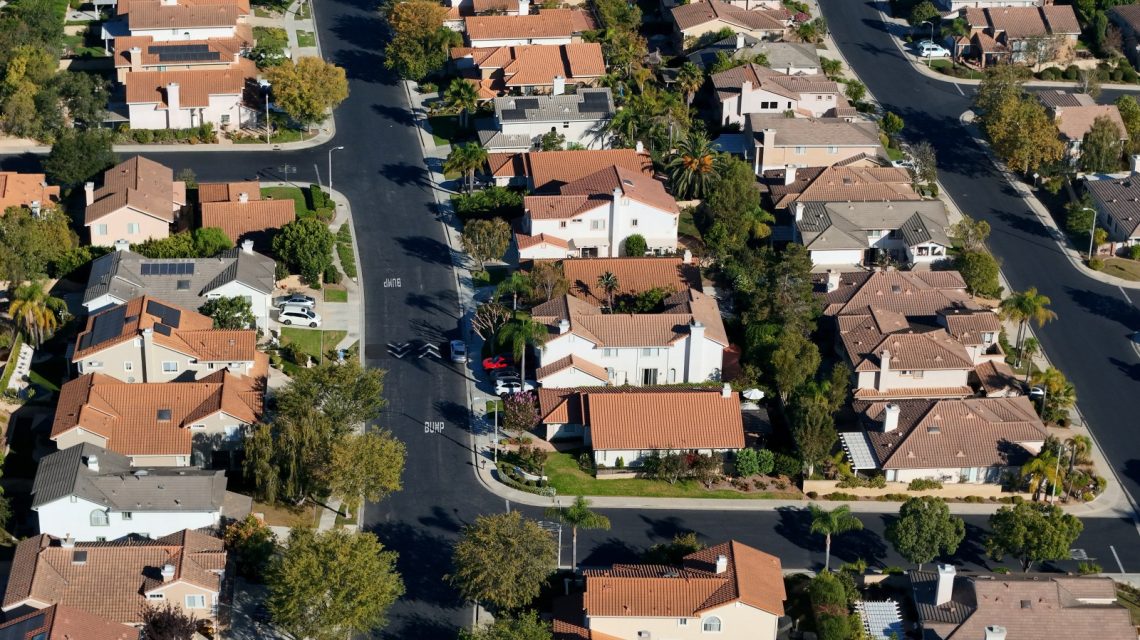
Many Americans are turning to riskier home loans with lower initial rates to cope with a difficult housing market. The latest data from the Mortgage Bankers Association (MBA) reveals a trend toward adjustable-rate mortgages (ARMs), which accounted for 8 percent of loans last week. This marks the highest level in five weeks, as noted by Mike Fratantoni, senior vice president and chief economist at the MBA.
ARMs offer an interest rate that remains fixed for a specified period, up to ten years, before changing based on market conditions or lender-determined percentages. These loans can be more appealing initially but carry risks if interest rates rise in the future.
Why Are Homebuyers Seeking Riskier Loans?
Joel Berner, senior economist at Realtor.com, suggests that the shift toward riskier loans indicates an eagerness to purchase despite affordability challenges. Mortgage rates have increased from below 6 percent to 6.71 percent since late February, worsening affordability issues for buyers. Berner explains that even a slightly lower rate can significantly impact a buyer’s ability to make monthly payments.
As of September 3, the national average for a 30-year fixed-rate mortgage stood at 6.71 percent, according to Freddie Mac. This marked an increase of 0.05 percentage points from the previous week and 0.21 points from the previous year. Similarly, the 15-year fixed-rate mortgage averaged 6.04 percent, which was a 0.44 point increase from a year ago.
Home prices have also risen. According to Redfin, the national median sale price of a U.S. home reached $407,730 in July, reflecting a 3.2 percent annual increase.
While demand for conventional mortgages remains weak, ARMs are gaining popularity. Last week, total mortgage application volume rose by only 0.8 percent from the prior week, as reported by the MBA.
Berner highlights that ARMs can be beneficial for those who don’t plan to stay in their homes long-term. The lower initial interest rate offers reduced monthly payments during the fixed period. The risk emerges after the rate becomes adjustable but can be mitigated by selling, relocating, or refinancing before then.
Could Risky Mortgages Lead to a Market Crash Like 2008?
Berner acknowledges the risk that shifting mortgage rates pose to ARM buyers but clarifies that today’s buyers are not similar to those during the subprime mortgage crisis. The increased demand for ARMs signifies attempts to manage finances amidst rising rates and inflation.
Measures to prevent another crash remain effective. Lending rules established following the global financial crisis are still in place. Experts describe the current U.S. housing market as “cold,” affected by long-term affordability issues. Economic uncertainty tied to Middle Eastern conflicts further impacts the market.
Berner explains that a cool market differs from a crashing one. He and other experts believe a crash is improbable this year. Unless unforeseen events occur, a surge in involuntary selling won’t happen, and buyer demand should accommodate new inventory if necessary.
Potential Outcomes for Borrowers
ARMs provide benefits but also carry risks. Berner points out that rising rates after purchasing an ARM could lead to payment difficulties for homeowners, potentially resulting in delinquency.
If widespread, such individual challenges might bring market price softness due to increased supply. However, the risk of a structural housing market or broader economic crash remains low.
For more information, contact Newsweek editors Matthew Robinson and Trevor Davies.
 Historic Church Transformed Into Los Angeles Boutique Hotel
  Amazon Offers Discounts to Employees at Whole Foods
  Hidden Fees in Real Estate Transactions: A Growing Concern
 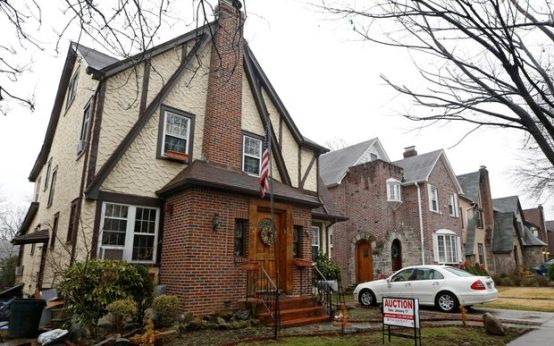 Trump’s Childhood Home Sells for Nearly $2 Million After Renovation
 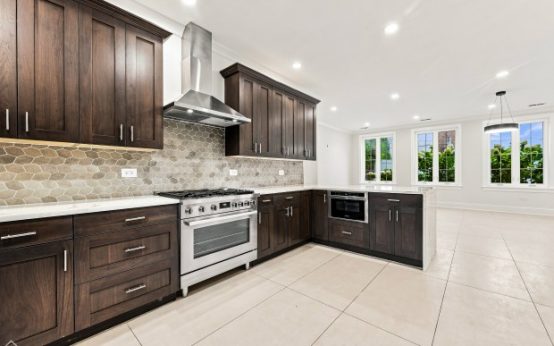 Luxury Five-Bedroom Home with Rooftop Deck in Edgewater
  Trump’s Housing Affordability Agenda Faces Challenges