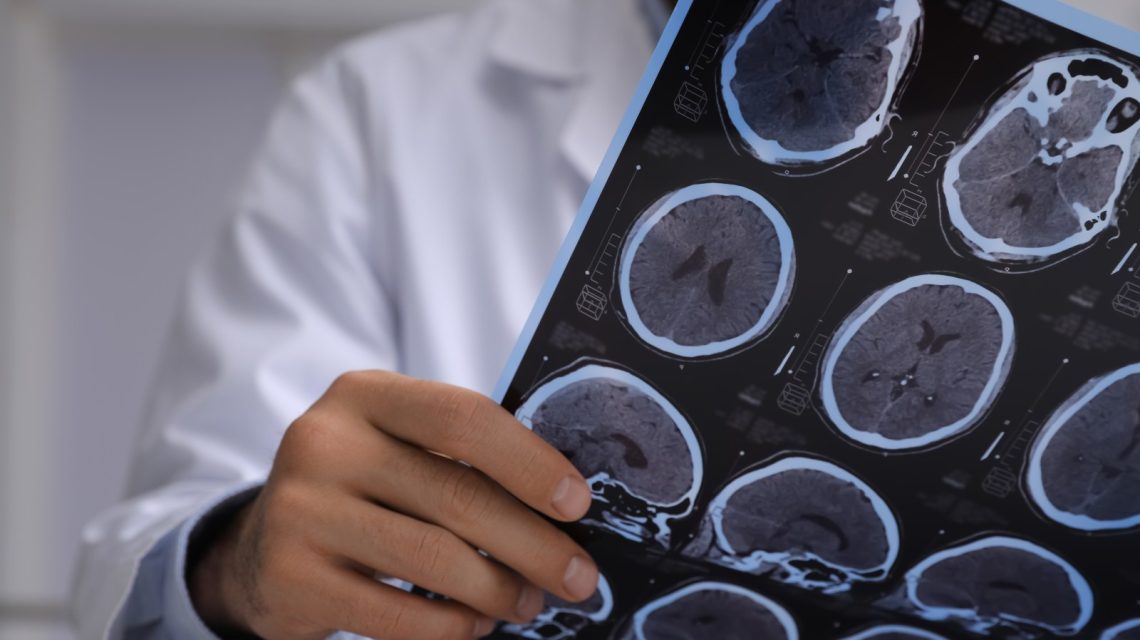
Recent research suggests that structural changes in the brain linked to Alzheimer’s disease can occur more than seven years before these changes are detectable through current imaging methods. Traditionally, the presence of amyloid plaques visible on amyloid-PET scans has been considered the earliest indicator of Alzheimer’s. However, the new study reveals that MRI scans can show brain changes long before amyloid plaques appear, indicating that the disease may start earlier than previously thought.
The study involved older adults who appeared cognitively healthy and showed no issues with memory or thinking. These participants underwent multiple MRI brain scans over nearly 20 years. During this time, some individuals developed amyloid plaques while others did not. Researchers pinpointed the time when plaques first appeared on PET scans and then analyzed MRI scans from up to a decade earlier. Their findings indicated that individuals who later developed plaques already showed measurable structural brain changes several years beforehand. These changes were evident at least seven years before amyloid plaques were detectable on scans.
The findings, published in Nature Neuroscience, pose critical questions regarding the definition of Alzheimer’s onset. If the disease process begins before plaques are visible on scans, current imaging methods could be overlooking a substantial part of the disease’s progression.
Researchers propose two possible explanations for these findings. One suggests that Alzheimer’s-related biological processes are active in the brain before detectable plaques form. These processes might either lead to plaque formation or occur alongside initial plaque-related changes that current imaging cannot capture. Alternatively, separate biological mechanisms could be responsible for early brain changes prior to amyloid accumulation.
Dr. Lucy Hooper, a private general practitioner and co-founder of Coyne Medical, remarked that these discoveries might alter the approach to Alzheimer’s interventions. “The evidence that Alzheimer’s develops over several years extends the timeframe for potential prevention or delay,” Hooper commented in an interview with Newsweek. She emphasized that earlier research has shown changes in cerebrospinal fluid and blood up to decades before brain scans detect amyloid buildup, supporting the theory of early disease onset.
Hooper explained that various biological processes might lead to structural brain changes before plaques are seen. While amyloid in the brain is visible via PET scans, there are numerous changes that could occur ahead of this stage. According to Hooper, soluble forms of amyloid might harm brain connections before becoming visible plaques. Factors such as inflammation, alterations in immune cells, changes in blood vessels, and disruptions in the brain’s glymphatic system could arise independently of plaque accumulation.
The research outcomes might impact future diagnosis and treatment strategies. “Enhanced understanding of the biology could improve Alzheimer’s diagnosis and prevention efforts,” Hooper stated. She highlighted that plasma p-tau217 blood testing is being used to accelerate Alzheimer’s diagnosis, though it remains imperfect due to occasional false results. Identifying more effective biological markers could aid scientists in creating new therapies aimed at preventing or mitigating Alzheimer’s.
While most current treatments focus on amyloid, there is a growing interest in exploring alternatives targeting inflammation, metabolic shifts, and the glymphatic system.
Reference: James M. Roe, et al., “Cortical thickness changes precede high levels of amyloid by at least 7 years.” Nature Neuroscience, 2026; DOI: 10.1038/s41593-026-02363-4
Contact Newsweek editors on this story: Kara Dolman and Gray R. Thomas.
 Florida Man Claims ‘Lion Diet’ Transformed Health and Life
  Concerns Over Food Safety and Its Impact on Families
  A Mother’s Tragic Journey Under Abortion Ban
  Medical Diagnosis Errors: Understanding the Crisis
  Lymphatic Drainage and Ice Sculpting: Emerging Wellness Trends
  The Rising Trend of GLP-1 Medications Among College Students