
Recently, a war game scenario was examined by current members of Congress and former U.S. military, diplomatic, and intelligence officials. The scenario is set in 2028 where the Ukraine conflict is still unresolved, resulting in a stalemate. Russia, noticing this opportunity, takes aggressive action by targeting Moldova. A Russian drone strikes a fuel depot in Romania, which is a member of NATO, leading to civilian casualties.
This hypothetical scenario underscores the importance of renewed leadership from the United States in countering Russian maneuvers. Stronger political and strategic involvement can help mitigate potential threats and prevent escalating tensions, which could lead to a broader conflict in Europe.
The implications of such aggression are significant. An attack on NATO territory could trigger collective defense mechanisms under Article 5. This possibility stresses the need for clear, reliable leadership and international cooperation to prevent disastrous outcomes.
With ongoing instability, it becomes crucial for the U.S. to bolster its alliances in Europe. Enhanced diplomatic efforts and military preparedness are necessary to maintain peace and deter hostile actions. Proactive engagement and strategic planning are vital for safeguarding stability in the region.
 Princess Diana’s Brother Responds to Buckingham Palace’s Denial of Conversation with King Charles III
 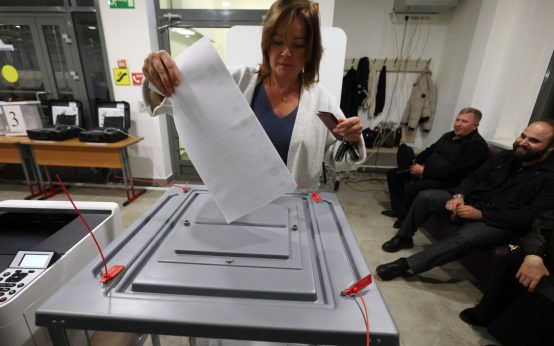 United Russia’s Election Victory and Its Implications
  Canada’s Tariff on Chinese Electric Vehicles: Business Influence and Security Concerns
  The Cost of Challenging Beijing
  Tensions Escalate in Iran Conflict as Global Leaders Weigh Options
 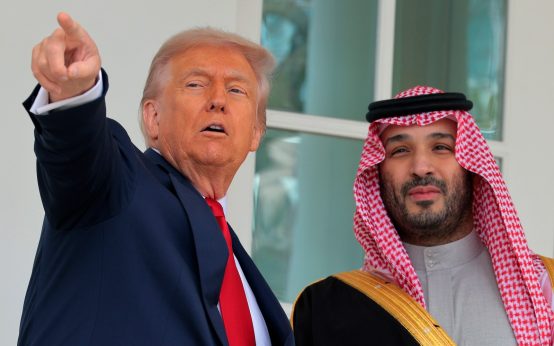 White House Approves F-35 Sales to Saudi Arabia Amidst Regional Tensions